Rotten Tomatoes has the sequel in the nineties. The star ratings underneath it do not agree with each other at all.
Godzilla Minus Zero opened in Japan today, 3 November, and reaches North American screens on 6 November through GKIDS, with IMAX early-access screenings starting today as well. Reviews have been trickling since the New York Film Festival premiere in late September and arrived properly over the past few days. I gathered every verdict I could find that carried an actual number, converted them to a ten-point scale, and got seven: JoBlo at 10, UK Film Review at 8, RogerEbert.com at 3/4, the South China Morning Post at 3.5/5, and Empire, Time Out and Dread Central all at 3/5.
Mean of 7.2. Rounded, a 7. Low of 6, high of 10.
A four-point spread is wide for a film everyone is calling visually superb, and the aggregate scores hide it almost completely. Rotten Tomatoes ran between 92 and 97 percent over 2 and 3 November as the count climbed past fifty reviews, because its system counts a 3/5 as fresh — a reviewer saying “sluggish, sentimental, a step down” lands in the same bucket as JoBlo’s perfect score. Metacritic, which weights the actual numbers, sat at 78 from 23 critics. That gap between a 96 percent and a 78 is the most useful thing on either page.
What nobody argues about
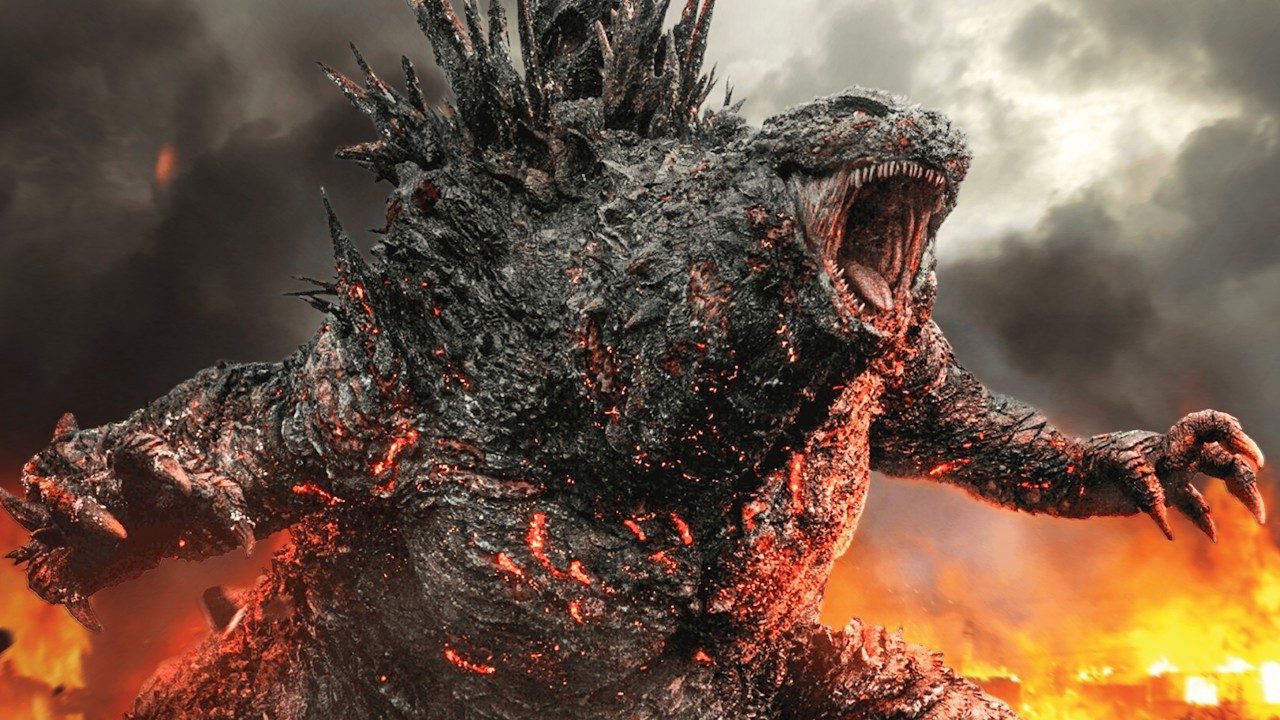
The effects. Every review in my list praises them, including all three of the 3/5s. /Film called it a visual treat and a technical wonder while placing it below Minus One. Dread Central, one of the harsher verdicts, picked out the sound design of monster movement in the IMAX mix as a highlight and praised the cosmic antagonist and the creature fights. Several critics say the work looks better than the first film’s, which is a real claim given that the first film won the visual effects Oscar with a crew of about thirty-five.
Takashi Yamazaki wrote, directed and supervised the effects again, with Shirogumi back on the shots. That continuity does real financial work: the Godzilla asset, the rig, the water and debris setups all carry forward, so the sequel’s budget went into resolution rather than into rebuilding a dorsal fin from reference boards.
Where it splits
Pacing, and how much Godzilla is in the Godzilla film.
Time Out’s headline is “all filler, minimal ’zilla”, and its 3/5 calls the thing sluggish. Dread Central’s Rory Doherty found the character arcs repetitive and the sentimentality heavy-handed. Empire’s John Nugent, writing in late October, said the film is a less coherent vision than Minus One while allowing that the team remain good custodians of the franchise. Early reactions out of the festival used words like silly, and more than one reviewer noted the human material hangs together less well this time.
The same film, from the other end: JoBlo gave it a 10 and called it worthy of its predecessor. UK Film Review’s 4/5 says the scale and the set pieces are arguably stronger, and that it feels less fresh. Both halves of that sentence are probably true, which is roughly where the 7 comes from.
The arithmetic behind “minimal ’zilla”
A technical reading of that complaint, offered as inference rather than anything Toho has confirmed. Minus One’s reputation rests on doing an enormous amount with very few people. Shooting the sequel for IMAX changes the units of that achievement: a 1.43:1 frame is taller, carries more pixels, and fills the parts of the image a 2.39:1 crop would have thrown away with ground and sky that now have to survive a sixty-foot screen.
Per-shot cost goes up. Crew size and schedule do not go up by the same multiple. If the result is fewer monster sequences, each one finished to a higher standard, that is what a budget does when you multiply the cost of your expensive shots and keep the release date. Reviewers describing long human stretches between kaiju scenes are describing the output of that constraint, whether or not they frame it that way.
Toho has published no shot count and no crew figure for the sequel, so the comparison everyone will want to make against Minus One still has no numbers on one side of it.
Two things to check before you book
The film carries an R rating, the first in franchise history, for violent content and bloody images. Yamazaki has said cutting scenes to avoid it was not an option. If you were planning to take a child who liked the last one, that is a change.
And the runtime figures disagree: The Hollywood Reporter lists 2 hours 15 minutes, Metacritic lists 1 hour 59. I cannot resolve which is the theatrical cut from here, so treat either as provisional.
One caveat on the number at the top of this page. Seven verdicts is a thin base, the count was still rising as I wrote, and a few of these were read from aggregator roundups rather than the outlets’ own pages. Expect the average to move. The spread, though, has been consistent since the festival, and a spread that wide usually survives the extra reviews — the same thing happened with Clayface, where nine verdicts averaged 6 across four points and the agreement was all about the practical work and the disagreement all about the digital half.