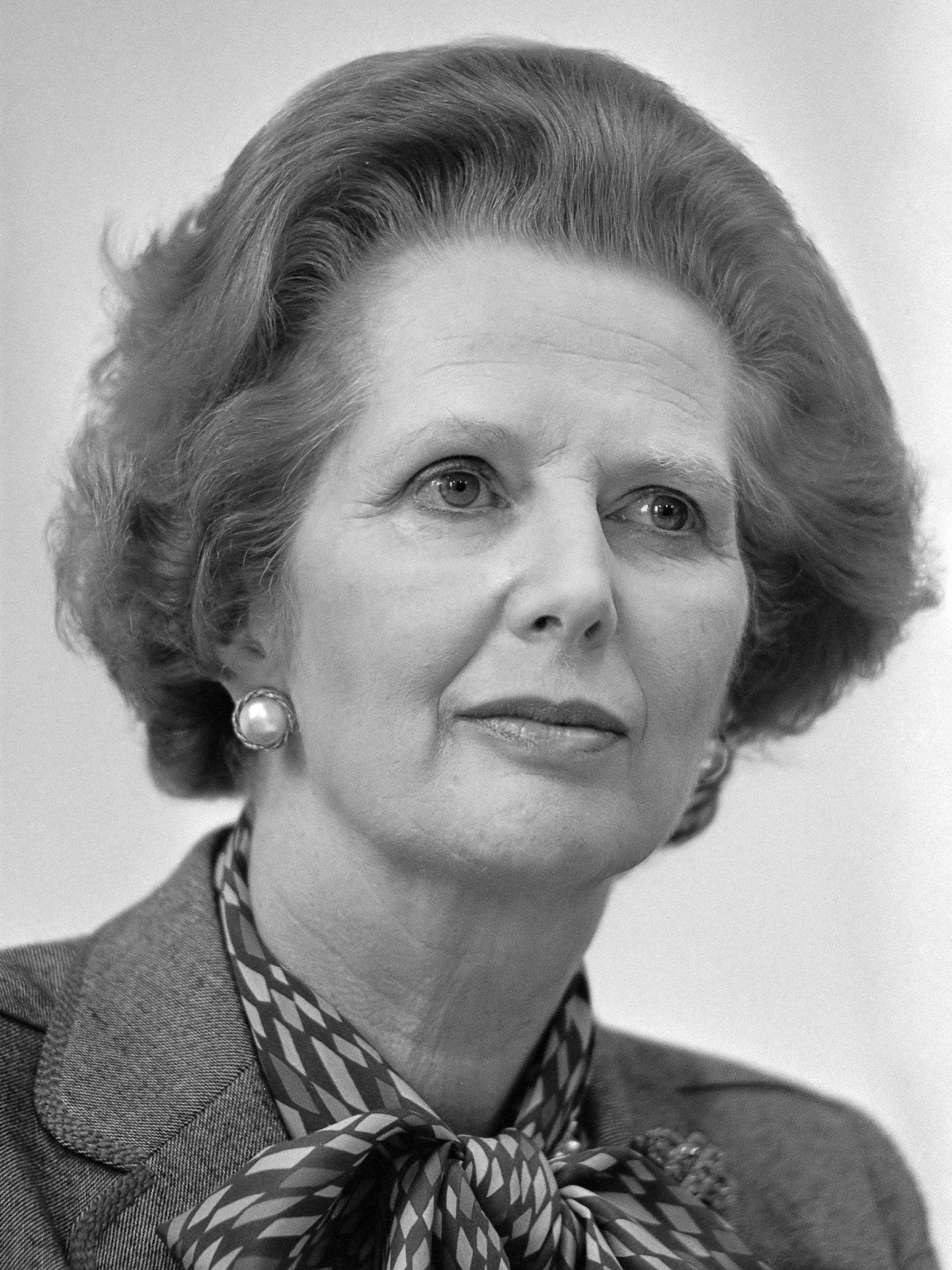
Thirty seconds. That is the whole budget of generated imagery in Ink, Danny Boyle’s film about Rupert Murdoch buying The Sun and handing it to a young editor named Larry Lamb. Boyle has been asked about those thirty seconds at every stop since the film screened at Toronto in September, and he keeps answering, which is more than most directors manage. Some of it went on Margaret Thatcher’s face. The rest went on mice.
Start with the mice, because they show where this tooling currently sits in a pipeline. Boyle wanted vermin running through the Fleet Street newsroom — set dressing, half a second of movement at the edge of frame, the thing that says “1969 print works” faster than any prop. Shot conventionally that is a creature job: a groom, a sim for the fur, four feet making contact with a floor, lighting matched to whatever the set was lit with that day. Days of work from somebody good, for a shot no audience will ever recall. Boyle’s description of the tool was that it is “very good with animals.”
He is right, and the reason says something about where the technology is strong. Nobody in an audience carries a precise internal model of how a mouse crosses a particular floor. Everybody carries one for a human face. Face recognition is the most over-trained visual system we have, running constantly and below conscious attention, which is why the uncanny valley is very nearly a face-only phenomenon. The mice are the safe seconds. Thatcher is the exposed ones.
Two accounts of the Thatcher shot
Here the reporting splits, and the split is worth naming, because the two versions describe different pipelines.
Speaking to Variety and The Hollywood Reporter this week, Boyle described casting a lookalike: “we got an impersonator in to play the whole scene,” and then put Thatcher’s face on her. What he wanted was the documented detail — Thatcher turning up at Lamb’s office late, shoes off, curled on the couch with a whiskey. “I didn’t want an imitation Thatcher. I wanted Thatcher herself.”
Around the Toronto screening, IndieWire and Vanity Fair described the thirty seconds differently: generated motion applied to still photographs, of Thatcher and of the Kray brothers. Both accounts can hold across different shots, and none of the outlets settles it.
For anyone who works in post, that distinction is the entire question. A face replacement over a performer has a performance underneath it — the body, the timing, the weight shift, the shoes coming off. Somebody acted, and the comp carried a likeness on top. An animated photograph has nothing underneath. The movement is invented by the model, and whatever the frame does, no person chose it.
The difference also decides whether Boyle’s defence holds. His line is that he used the tool sparingly and was “very careful to make sure it didn’t replace anyone,” with the qualifier that you pay actors “if you’re going to replace them with some kind of AI embodiment.” An impersonator who played the scene and got paid is that bargain, honoured. A photograph animated by a model replaced nobody, because nobody was ever going to be hired for it. The second case is cheaper and lonelier. It is also the one a production under pressure reaches for first.
Where the cost floor moved
Putting a dead public figure’s face on a hired body is not new work. Rogue One rebuilt Peter Cushing in 2016 with a performer under the likeness and a vendor team on top. The Irishman de-aged three leads across a whole feature in 2019. Both were enormous line items — a facility, a bid, months of iteration, a supervisor whose entire job was that one problem.
Ink is a mid-budget British period drama from StudioCanal, Media Res and House Productions, built on a James Graham screenplay adapted from his own stage play. It does not have a Cushing budget. It got a Thatcher anyway.
That is the development worth watching, and it has little to do with Boyle personally. A class of shot that used to require a vendor relationship now sits within reach of a production counting its money. The question shifts from “can we afford this” to “do we want it,” which is a far less protective question. Cost has quietly done a great deal of ethical work in this industry for decades, simply by making certain shots impossible.
Hold thirty seconds next to the other AI number in circulation this autumn. The BBC’s director general watched a fifty-minute AI-generated Doctor Who episode and called it “pretty good”. Fifty minutes is where generated video comes apart — rooms change dimension between cuts, continuity errors compound instead of cancelling. Thirty seconds, split across a face with a real performance beneath it and some animals at the edge of frame, is the length at which the output survives being looked at. Boyle picked a duration his tool can actually service. That is a craft decision, whatever you make of the rest.
The estate he did not call
Boyle did not seek permission from Thatcher’s estate, and his reasoning was that the estates of such figures should not hold control over artistic ideas about their influence on public life. As a claim about a three-term prime minister it is defensible. As a general principle it thins out fast, because it scales to anybody a producer decides was historically significant.
The consent question keeps arriving in this shape. The material gets used, the argument for using it gets assembled afterwards, and the people with standing to object are either dead or were never in the room when the model was trained. Boyle drew his line around actors, who have a union and a rate card. He did not draw one around subjects.
The mice, for what it is worth, sound like the correct use: a shot nobody will study, in a register where the model is genuinely strong, standing in for a job nobody was going to enjoy. Thirty seconds is a small number. It is also a precedent with a receipt attached, which is why Boyle keeps getting asked.