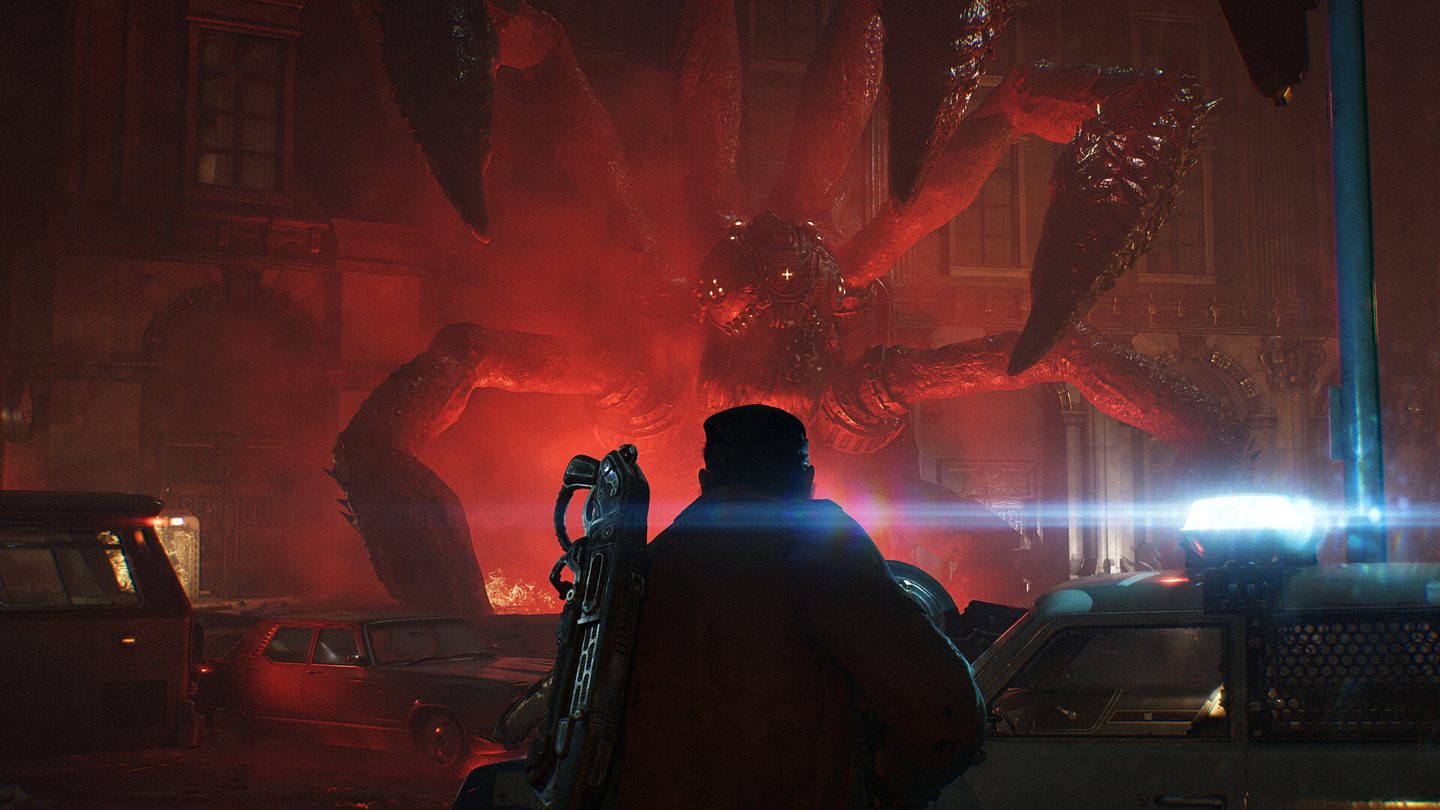
Look closely at a thin railing under a hard directional light in almost any Nanite scene shipped since 2022, and you can usually catch it: the shadow the railing casts is slightly thicker, or slightly straighter, than the railing itself. Not wrong enough to read as a bug on a first pass. Wrong enough that if you’ve spent time in a shadow map debug view, you already know why, and it isn’t the light.
The mesh doing the shadow isn’t the mesh you’re looking at
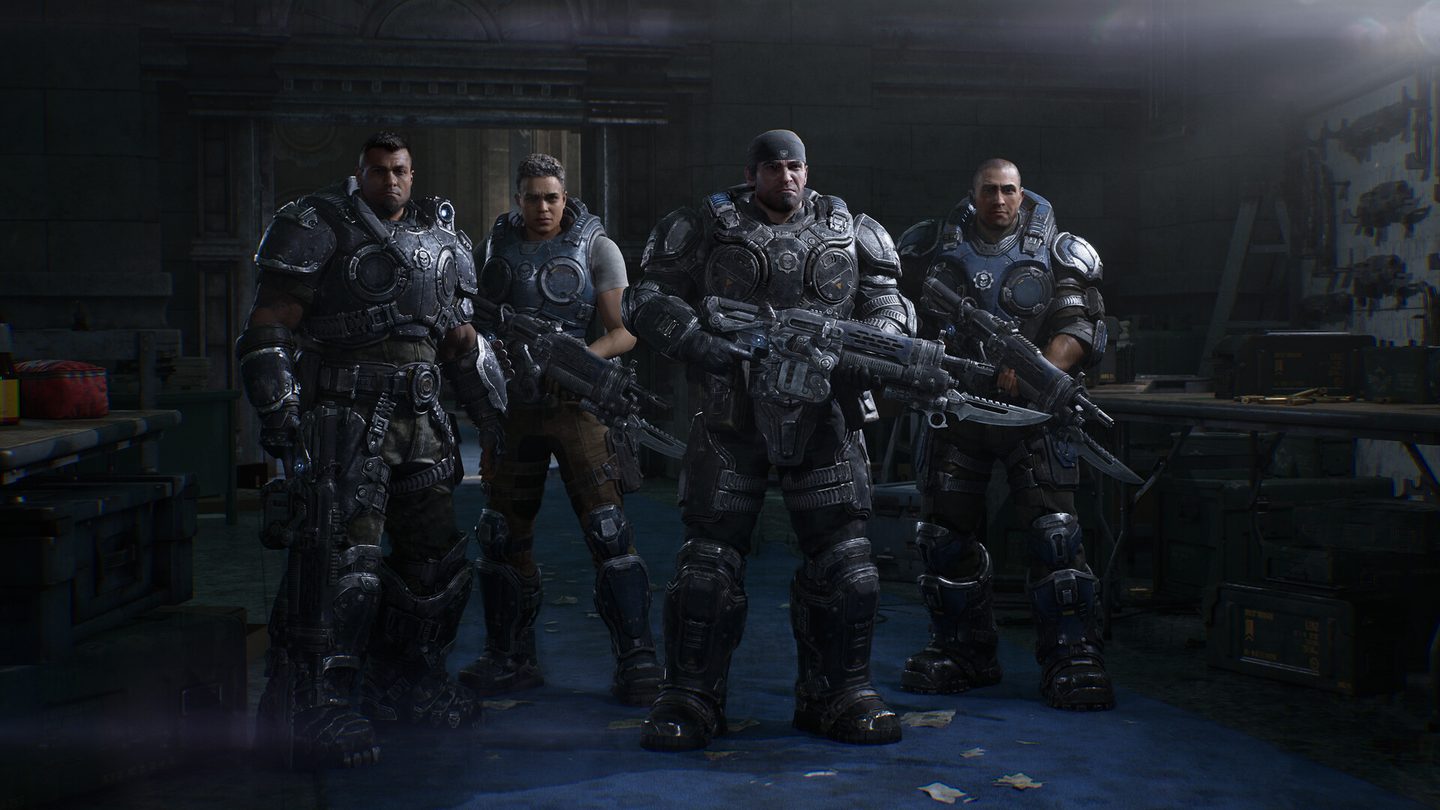
Nanite’s whole pitch was that you stop worrying about triangle budgets — drop in the dense ZBrush or photogrammetry export and let the engine’s own rasteriser figure out what’s actually on screen, cluster by cluster, frame by frame. It’s genuinely one of the better ideas UE5 shipped. But ray tracing was never part of that deal. Shadows, reflections and Lumen’s hardware path all run against a bounding volume hierarchy, and building a BVH from Nanite’s raw cluster data every frame was too expensive to consider. So the engine has quietly been doing something else: for ray tracing purposes, it swaps in a separate, much lower-poly stand-in — the fallback mesh — and builds the acceleration structure from that instead.
Most of the time nobody notices. Foliage, fine trim, fabric edges, anything with a silhouette that depends on triangle density rather than volume — that’s where it shows. Studios have spent real hours hand-tuning fallback meshes on hero assets specifically to close that gap, which was never really Nanite’s problem to begin with. It was ray tracing’s problem, quietly handed to the art team.
What Nvidia actually shipped
At Gamescom this week, Nvidia and The Coalition put a name to the fix: RTX Mega Geometry is now running in Gears of War: E-Day, and it’s the first shipping game built on it rather than a tech demo. The trick isn’t “just ray-trace the full mesh” — that was never realistic at Nanite densities. It’s an extension to the acceleration-structure API that lets the GPU build and cache bounding volumes for Nanite’s own clusters directly, incrementally, reusing what didn’t change between frames instead of rebuilding a BVH from scratch. Shadows and reflections get built from geometry a lot closer to what’s actually on screen, and the fallback mesh stops being load-bearing.
Worth being honest about what this is and isn’t. It’s an Nvidia-branded, RTX-specific path, running through their SDK integration in the engine branch — not a change to how Nanite works for everyone shipping on console or non-RTX hardware. Those platforms are still doing the fallback mesh dance. What changes on RTX cards is real, but it’s a lane, not yet a highway.
DLSS 4.5’s Ray Reconstruction shipped alongside it, live now in around thirty games, built on a second-generation transformer model that folds denoising and upscaling into one pass. Different problem — that one’s about cleaning up the noise a path tracer produces, not about which geometry gets traced — but the two updates were announced together for a reason: Nvidia wants ray tracing at Nanite densities to stop looking like a compromise on both ends at once.
The part that isn’t in the press release
Somebody on that art team no longer has to open a hero asset, generate a fallback proxy, eyeball it against the high-poly under a test light rig, and re-export because the eave of a roof came out looking like a slab. That’s not a glamorous line in an Nvidia keynote, but it’s an entire category of manual QA that a rendering team gets to stop doing — on RTX hardware, on this one game, for now.