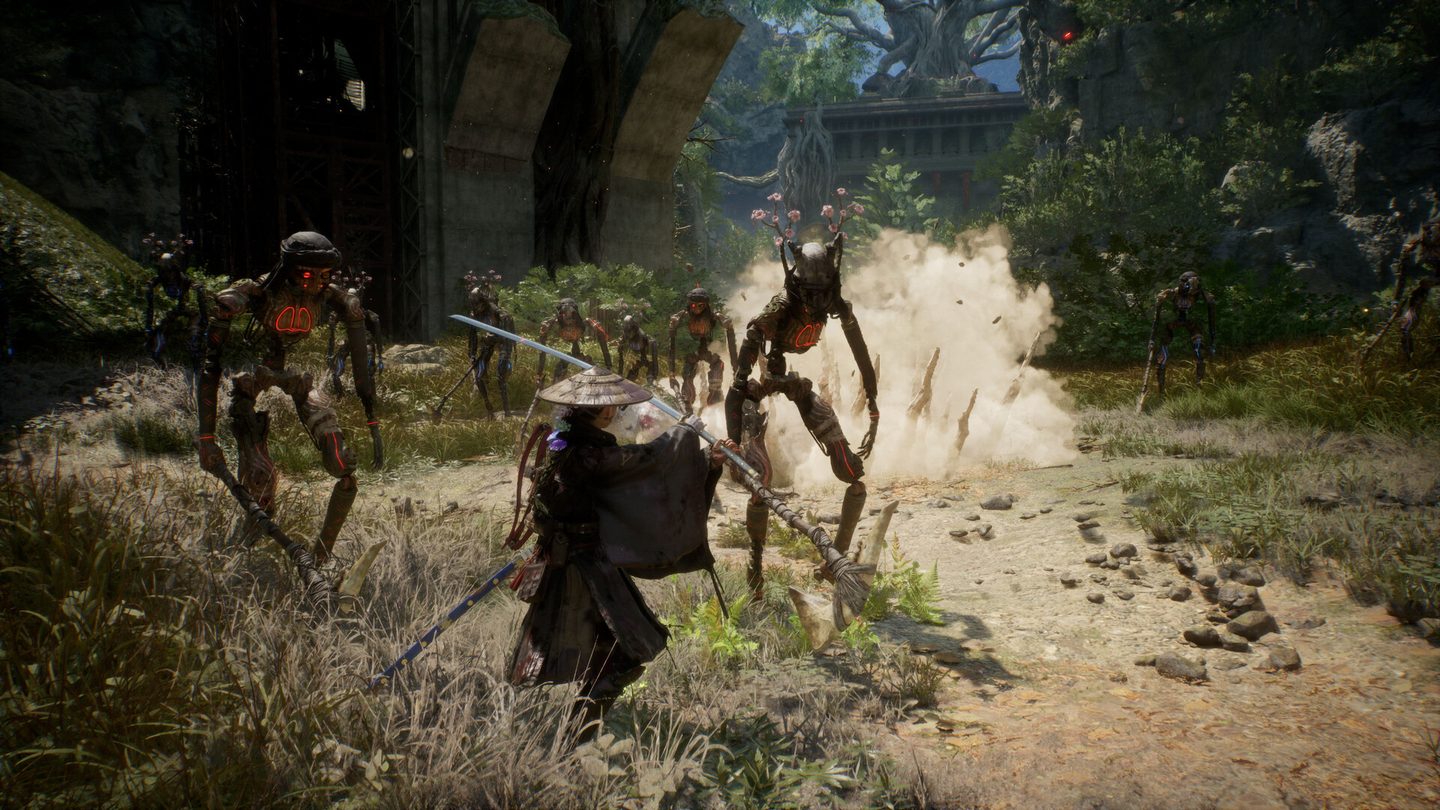
Beast of Reincarnation came out on 4 August for PS5, Xbox Series X/S and PC, and it took the review cycle a few weeks to settle into what it actually is: the first game Game Freak has shipped that is not a Pokémon game, in a company history that goes back to 1989. Metacritic has it at 73 from over fifty critics, OpenCritic a little higher at 76. Averaging the eight outlet scores I could verify on a 1-10 scale gives 7.0 — the full working is at the foot of this piece.
That number undersells how split the coverage actually is. This is a game a third of critics loved and a third found actively disappointing, with not much in between.
A studio that has never had to do this before
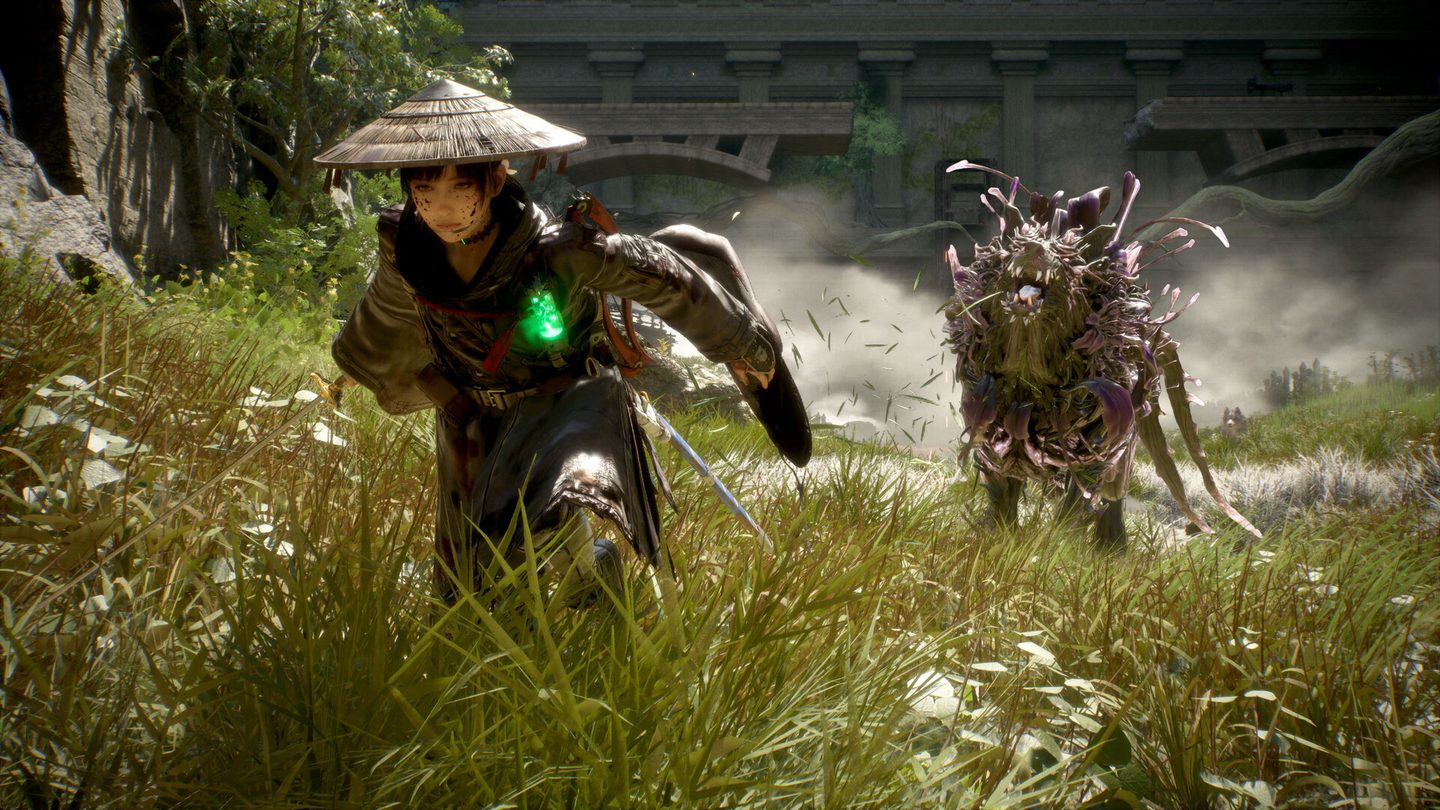
Set the score aside for a second, because the more interesting fact is what Game Freak was attempting. Every mainline Pokémon game, for its entire history, has been built around turn-based combat, static overworld navigation and comparatively contained 3D spaces — even Legends Z-A, their most ambitious recent open-zone experiment, still leans on menu-driven battles once combat starts. Beast of Reincarnation drops all of that. It’s a real-time, one-character-one-dog action RPG set in a ruined, post-apocalyptic Japan, with Emma and her blighted dog Koo fighting through boss encounters that are staged and lit like the game wants you to actually look at them, not just select an attack from a list.
That’s a real production gap to close. A studio that has spent three decades building turn order UI and route-corridor overworlds is, with this game, building hit-stop, camera-lock, environmental readability and traversal for what appears to be the first time at this scale. GamesRadar+ and PSU — the two highest scores in my set, at 9 and 8.5 — both frame the game as exactly that: a legacy studio taking a real swing at something outside its comfort zone and mostly landing it. Push Square and Screen Rant, both at 7, are more measured but still call it a credible first attempt.
Where the low scores agree
The lower cluster — IGN, GameSpot and Eurogamer all at a converted 6, GameRant at 5 — is where the “first time doing this” reading gets less charitable. Push Square’s own review, despite its 7, flags “some visual and technical issues” alongside a story it calls unenthralling. That phrase shows up in different words across most of the lower-scoring reviews: combat that doesn’t fully justify its own systems, boss encounters that read as impressive set pieces the first time and repetitive the fifth, and a game that looks like it spent its production budget on the spectacle moments without the same care going into the traversal in between.
That’s a familiar shape to anyone who has worked on an environment team moving from a corridor-based game to an open one for the first time. Hero moments are easy to sell in a trailer and easy to greenlight — a boss arena gets concept art, gets a lighting pass, gets iteration time. The connective tissue between hero moments is where a first attempt usually shows its inexperience, because nobody budgets for the boring square footage until the game is already in production and it’s too late to go back and dress it properly. Several of the lower reviews are, read closely, describing that exact gap: strong bosses, thinner world in between.
Worth your time?
If you go in expecting Game Freak to have solved real-time action design on the first attempt, the 5s and 6s in this set are telling you something real. If you go in curious to see a studio that has made turn-based games for thirty years try to build hit-stop and boss choreography from close to scratch, the 7-to-9 cluster is telling you something real too — just a different thing.
Either way, a firm 7 with this much spread between the outlets is a more useful number than it looks. It’s not a consensus that the game is “pretty good.” It’s a consensus that critics disagree about exactly what kind of first attempt this is.
Scores converted to a 1-10 scale and averaged by hand from eight outlets I could find a published number for: GamesRadar+ (9), PSU (8.5), Push Square (7), Screen Rant (7), IGN (6), GameSpot (6), Eurogamer (3/5, converted to 6) and GameRant (5). Mean 6.81, rounded to the nearest half point: 7.0. This is my own arithmetic on verified outlet scores, not an aggregator’s weighting, and it will not match Metacritic or OpenCritic exactly.