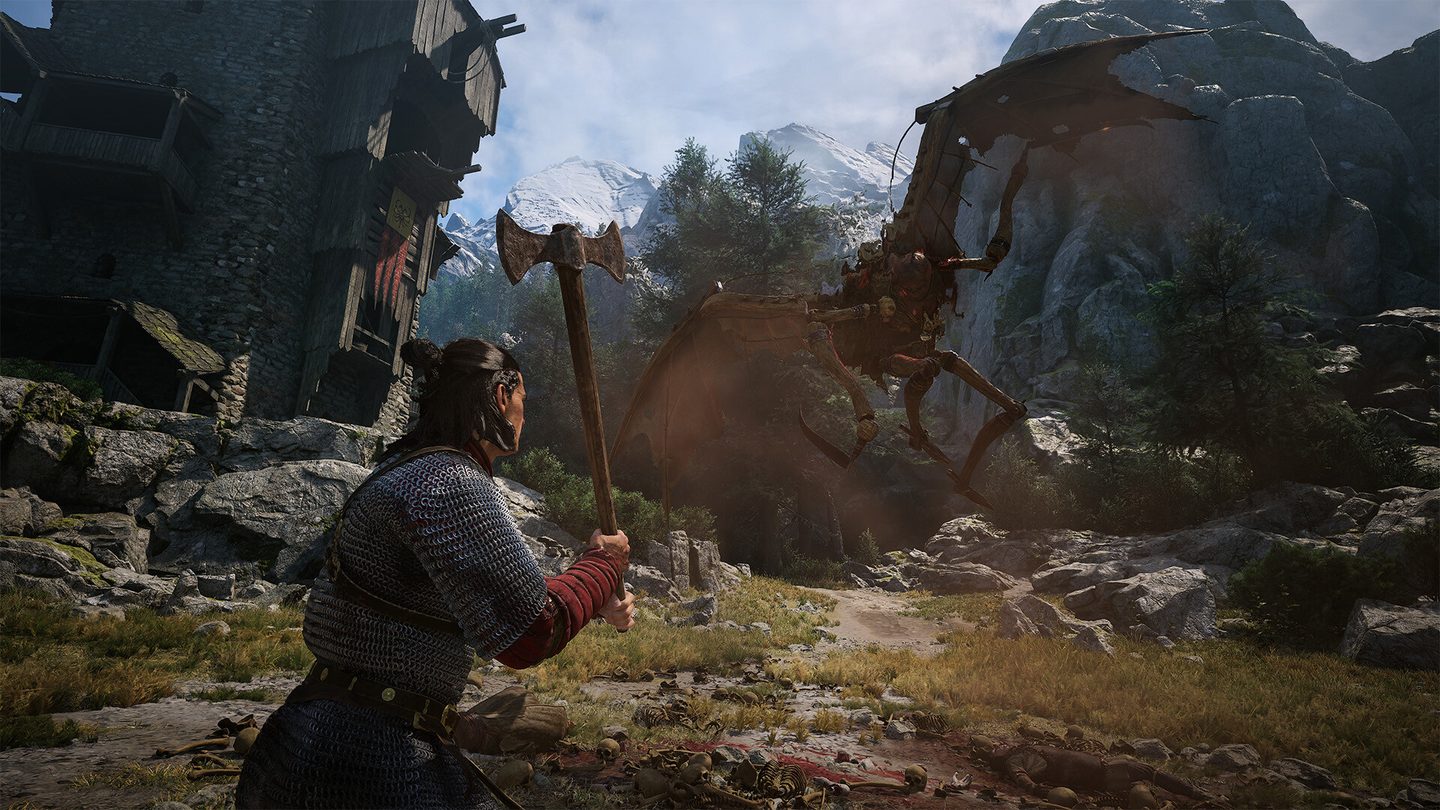
Rebel Wolves shipped its first game and the critics cannot agree on it. Twelve scored verdicts average 8, and they run from a 6 to a 9.5. OpenCritic has the aggregate at 84 with 89 percent recommending.
Compare that to Onimusha, reviewed the same week: also strong, but with a two-point spread instead of three and a half. When a game splits critics this far, the split is usually the most interesting thing about it.
The clock
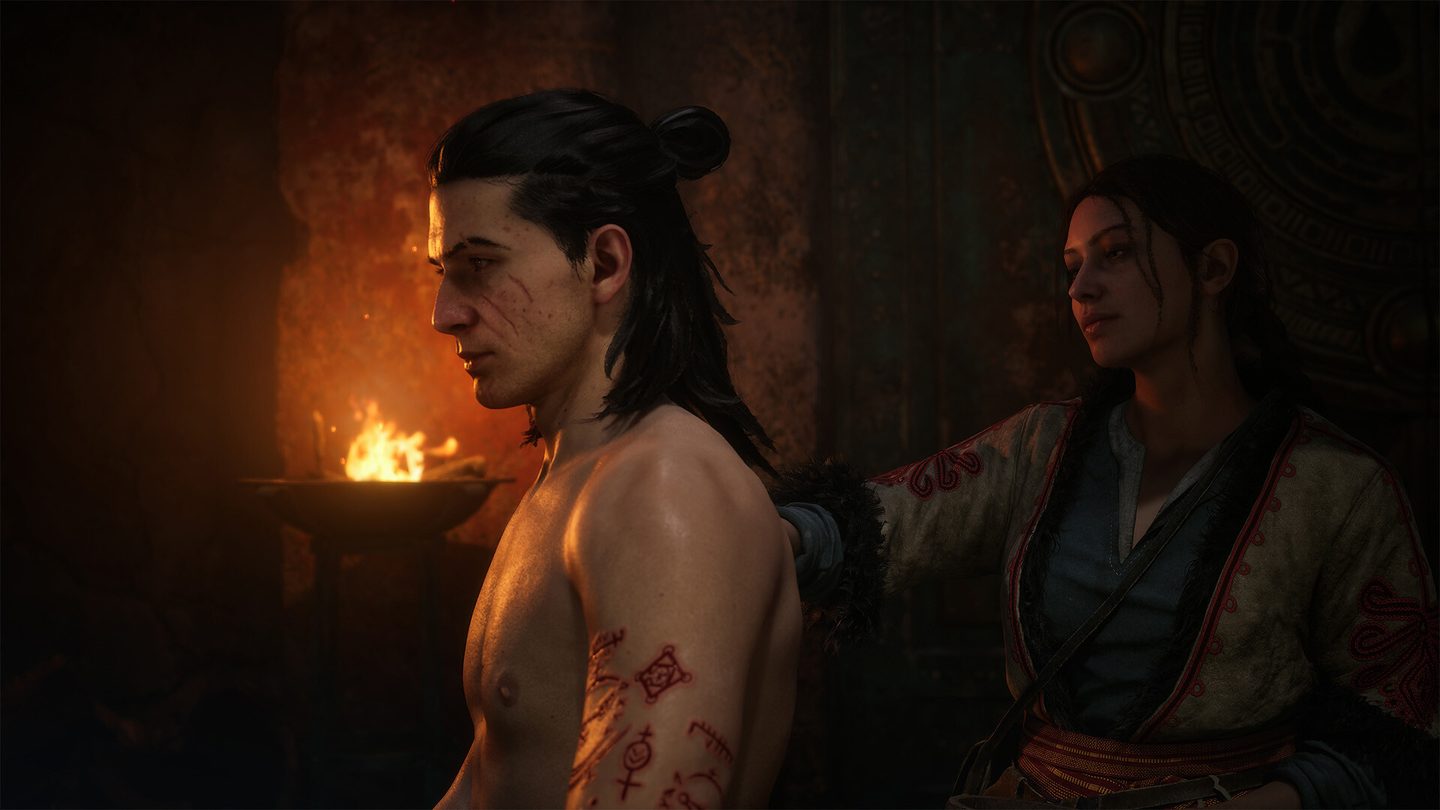
Coen has thirty in-game days to stop a coronation and save his family. Days and nights break into eight segments each, and the two halves play differently: night lets you climb walls and reach places that are otherwise shut to you, while daylight hands you witchcraft instead. Spend a segment on one quest and you have not spent it on another.
Reviewers who loved it say the clock finally solves the thing that hollows out every open world, which is that nothing you choose matters when you can eventually do all of it. Reviewers who marked it down say you cannot tell which quests were the important ones until the time is gone.
Same mechanism. One of them enjoyed being made to choose.
What that costs the people building it
Here is the part nobody outside the job talks about.
A thirty-day limit means the game has to hold more than any single player will ever see. That is the point. A choice is only a choice if the road you did not take is actually there, which means somebody modelled it, textured it, lit it, dressed it and filled it with people, knowing most players would walk past the door and never open it.
Then double the whole thing. Every space works at night, when the player is climbing its walls, and again in daylight, when they are not. Two lighting states. Two sets of readable silhouettes. Two passes of “can you tell where you are meant to go from here”. An environment artist does not get to ship the one that flatters the set dressing and quietly drop the other.
So I would put money on that being where the technical complaints come from. The reviews mention uneven combat, awkward blood and health systems, visual and technical bugs — the rough edges landing on the parts furthest from the core loop, which is exactly the shape you would predict for a first game from a new studio built around a structure that multiplies the surface area of everything in it. Nobody had done this before. It shows, in both directions.
The number
8, from twelve scores between 6 and 9.5.
The mean is 8.04, so the rounding is barely doing any work — this genuinely sits at an eight. But an average is a poor summary of a game that produced a 6 and a 9.5 in the same week. The distribution says more than the midpoint: most of the field lands at 8 or above, with a tail of reviewers who found the friction outweighed the idea.
If the thirty-day clock sounds like a structure you want to be held to, the high scores are probably closer to your experience. If you would rather see everything, believe the 6.
The frame rate had its own week before launch: the studio skipped 60fps entirely, then found a Performance mode in three days.
Scores collected on 31 August 2026 from OpenCritic and the outlets’ own pages, converted to a 1-10 scale and averaged. The aggregate figures at the top are OpenCritic’s own. The Blood of Dawnwalker releases 3 September 2026 on PS5, Xbox Series X|S and PC.