The thing that leaked is a file. nvngx_dlssnr.dll, version 310.8.0.0 — DLSS
Neural Rendering, the piece of DLSS 5 that Nvidia announced back in March and
said would arrive in the autumn. It shipped inside the early access build of
NBA 2K27, a basketball game, because somebody packaged it there by mistake.
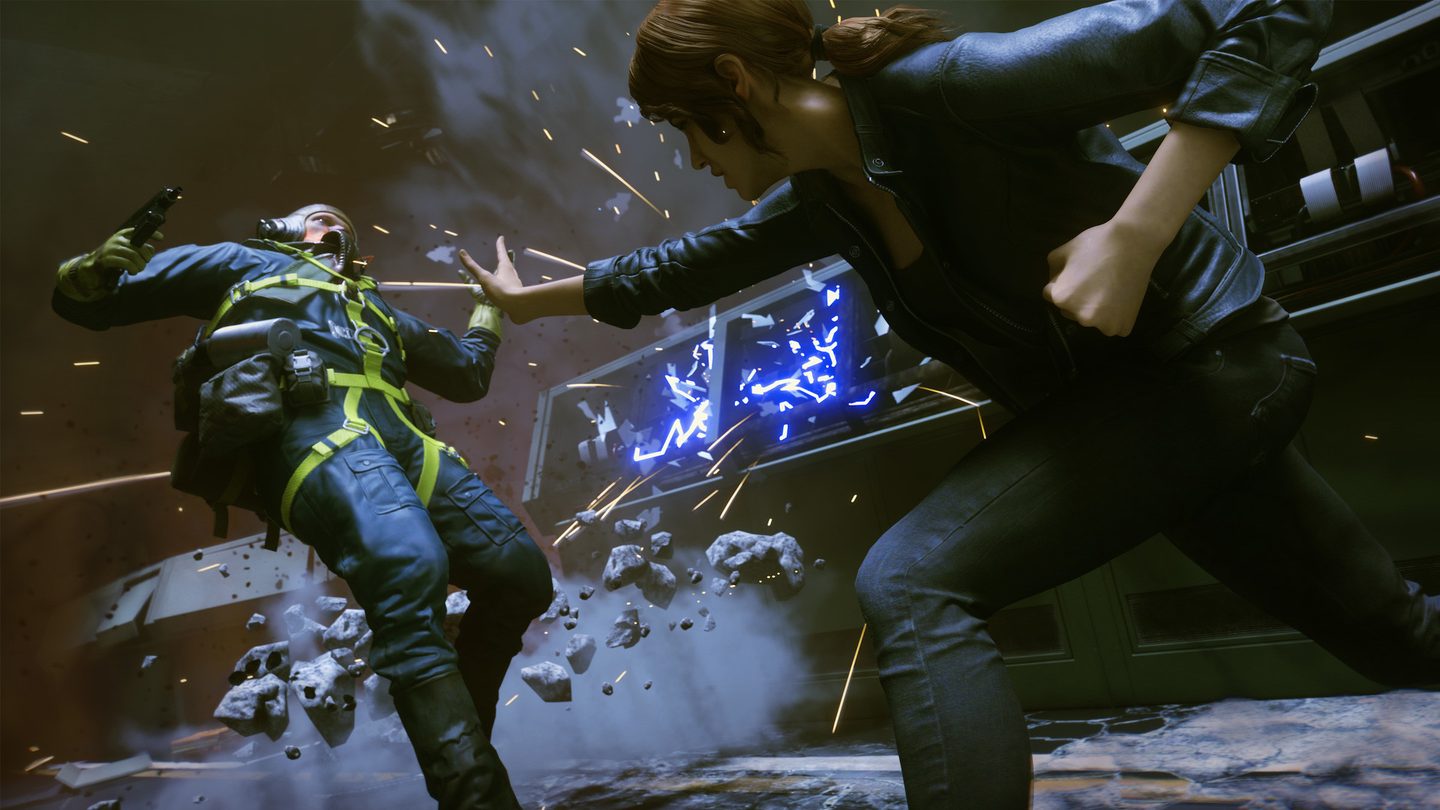
Dataminers had it around 26 August. Modders had it running in Control within
hours, then Skyrim, then a list that passed ten titles inside a few days and
took in several of Sony’s PC ports along the way.
Nvidia decided none of that.
So it is worth being plain about what people are running: an unfinished library, pulled out of a game that had no business carrying it, injected into engines with no support for it, at settings nobody outside Nvidia fully understands. Reports disagree on how unfinished. Most of the coverage treats it as a pre-release drop; at least one write-up on the 29th argued the version number looks more like a release build than an early one. That is unsettled, and it changes how much weight the screenshots deserve.
The pass sits at the end
Neural rendering runs late. The frame gets assembled, lit and graded, and then a model looks at the result and hands back a different one. Everything a look-dev artist does happens upstream of that.
It is a lot of upstream. Albedo values kept inside a range so they still read once the grade lands on top of them. Roughness maps built to catch one key light at one hour of the day. Silhouettes drawn to stay legible at fifty metres on a 1080p panel. A LUT that pulls certain colours out on purpose, because somebody decided this world has no warm greens in it.
None of those decisions survive into the finished pixel as reasons. They survive only as the pixel.
Which leaves a model with no way to tell a choice from a defect. Skin reads waxy because the character is meant to look ill. Lighting goes flat because the scene is a memory. Trained toward photographic plausibility, the pass reads all of that as something to correct, and corrects it. Stylisation goes first every time, since from the outside a style and a mistake look identical.
The sliders, and who gets to move them
“AI slop filter” stuck fast as a description, and the March reveal earned some of it — the before-and-after reel Nvidia showed drew a week of memes about yassified faces and got a shrug from the company, whose CEO said the people complaining were completely wrong.
The build people have now is more considered than the meme suggests. There are presets and styles, separate controls for skin structure and tone, and an intensity slider for the neural pass itself. Someone thought about restraint.
That tuning is the part I keep turning over. Every other stage of a pipeline has one person accountable for it, and a chain of review behind them. This one ends on a stranger’s desktop, where the person moving the slider has never seen the art direction document and has no reason to care what the greens were for. A studio ships a look. The slider gives it a second author.
Then the cost. Injected builds are reported losing something close to half their frame rate depending on the game and the card — one player posted Control on an RTX 5060 falling from 86fps to 32, which is one anecdote from one machine and should be read as such. DLSS made its name buying frames back. This branch of it spends them.
What ships in the autumn
None of the above tells you much about the shipping product. A modded injection into Skyrim is not a supported feature, and judging the released version by it would be unfair in the same way judging a film by a workprint is unfair.
The question worth holding until then is who holds the switch. A per-title feature a developer opts into, tuned by the people who authored the look, is one product. A driver-level toggle a player applies to anything, at whatever intensity, is a different one wearing the same name. Nvidia has not said clearly which it is building, and the leak does not answer it either.
Digital Foundry, who previewed the tech in March and posted a positive breakdown on the day, came back with a Q+A walking a good deal of it back — Richard Leadbetter said they had gone straight from the demos into making the video and had not done a good enough job. Alex Battaglia has since been the loudest technical voice on the artistic-vision problem and called the ethical questions serious ones. The team also reported receiving death threats over the original coverage, which is worth naming and not worth dwelling on.
For anyone whose work is the look of a thing, this is the first time the last stage of the pipeline has been up for grabs by someone outside it.
Leak details, file name and version number from datamining coverage published between 26 and 29 August 2026; the modded-game list and performance figures are compiled from that reporting and from single-user posts, unverified. March reveal, the CEO’s remarks and Digital Foundry’s follow-up from contemporaneous coverage. Nvidia has not published a statement on the leak at the time of writing, and DLSS 5’s final feature set is unannounced.