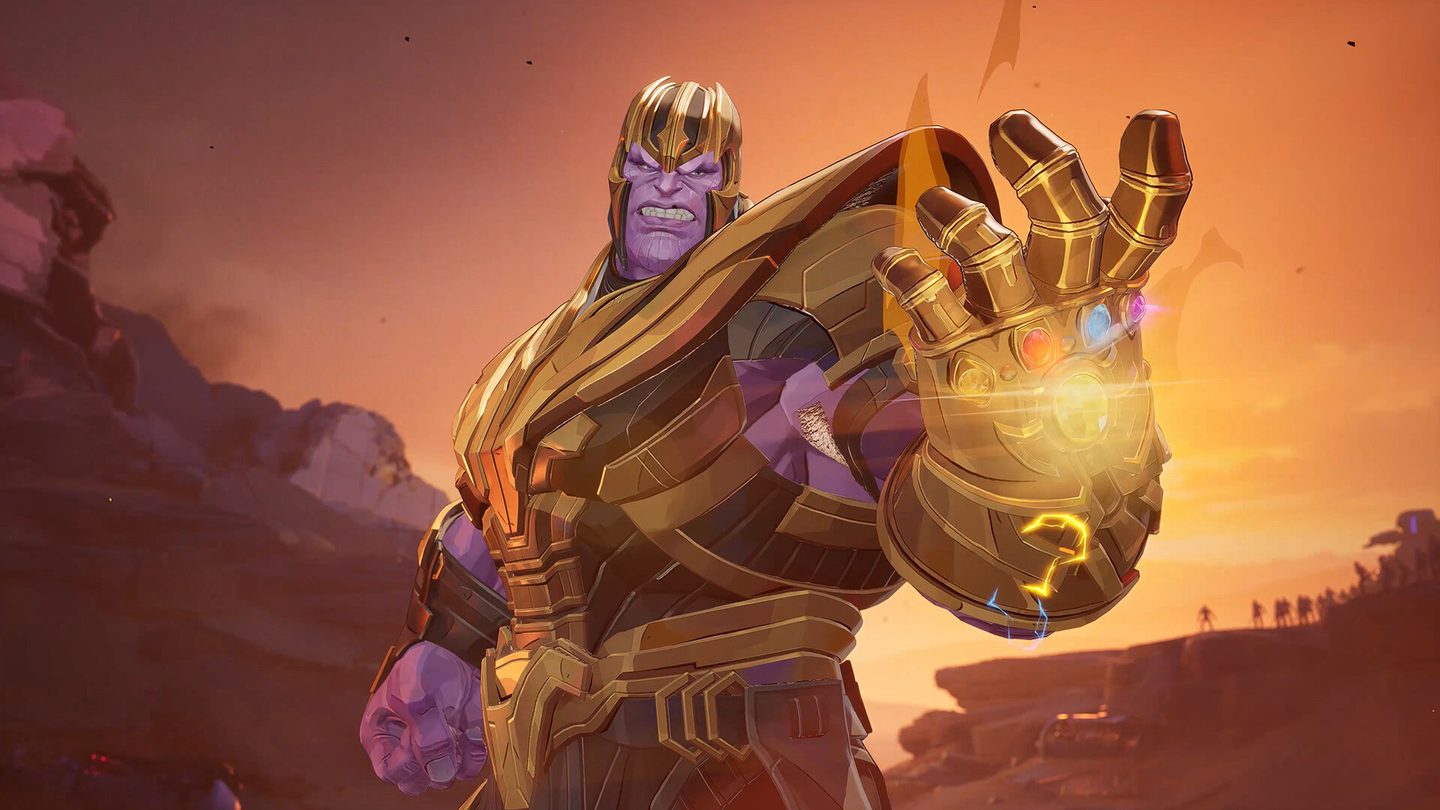
Bloomberg reported on 12 October that Epic Games has pushed its unannounced shooter — the one with Marvel and Star Wars characters in it — out of March 2027, with no new date attached. The reported reason for the slip is ordinary enough: the project was behind, and Epic had underestimated how many people and how much time it needed.
What happened next is the part worth reading twice. Per the reporting, the team was told to rebuild the thing AI-first. No more hand-written code. Art “generated with full AI workflows”.
Epic’s communications director did not deny the direction. The company is “embracing AI-accelerated development, led by Epic developers who are the visionaries and creative drivers for everything we do,” which is a sentence built to survive being quoted. Disney, whose $1.5 billion went into Epic in 2024 and whose characters these are, said nothing.
Treat the internal wording as reported rather than confirmed — it comes from Bloomberg’s sources, relayed onward, and I have not seen the memo. The delay and the AI direction are corroborated across outlets. The exact phrasing of the instruction is not.
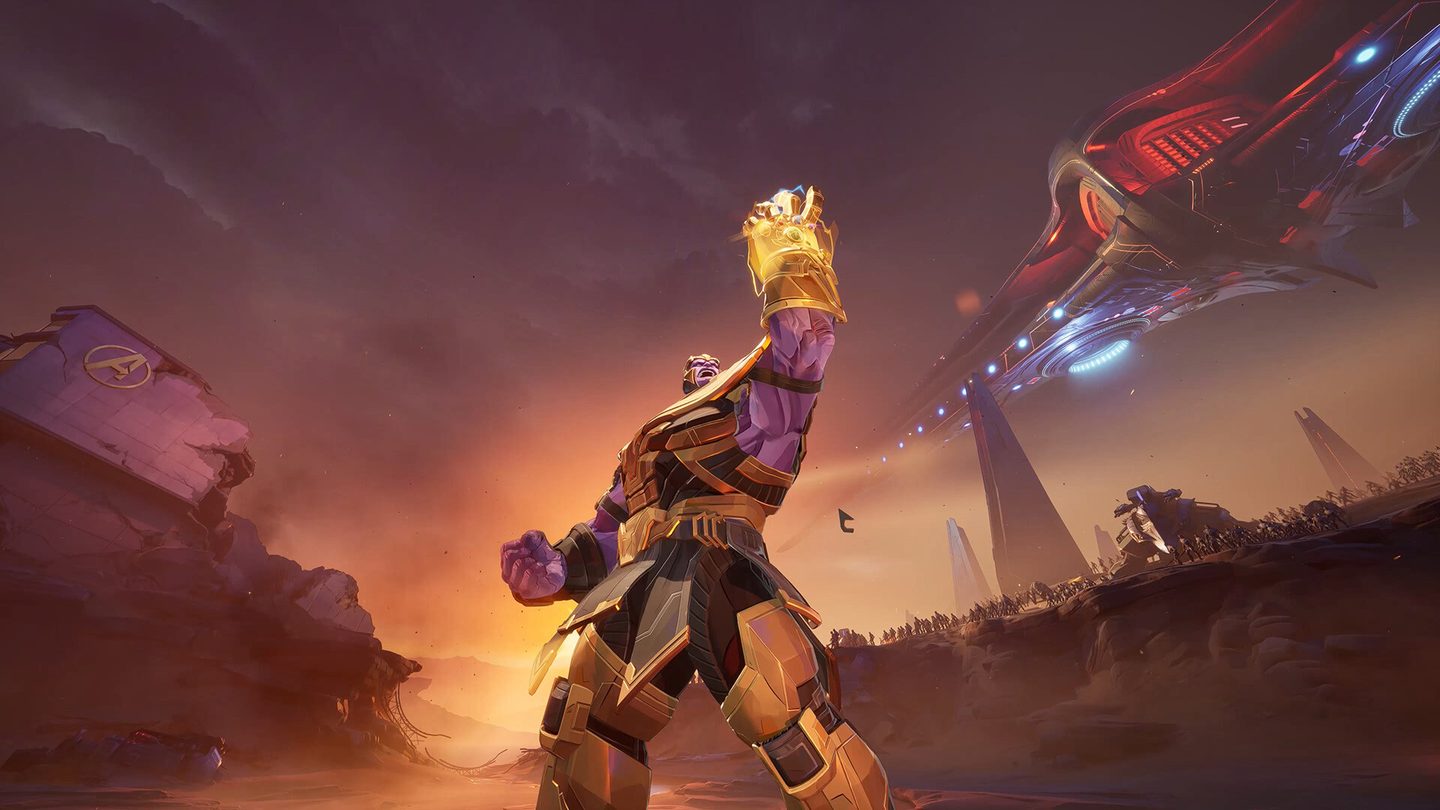
The code half is the easy half
“No more hand-written code” is a loud instruction that mostly describes what a lot of studios already quietly do. Gameplay code in Unreal is already heavily templated, there is a model on every programmer’s second monitor, and a generated function either compiles and passes its test or it does not. The feedback is fast and the verdict is binary. You can be wrong about code on Tuesday and know it on Tuesday.
Art does not work like that, and this is where the instruction gets expensive.
What “full AI workflows” has to actually produce
Ask an artist what the slow part of the job is and almost nobody says coming up with the idea. The slow part is conformance. A prop that ships has to carry a UV layout that lands on the project’s trim sheet, a topology budget it holds to, a LOD chain whose silhouette survives three reductions, a collision mesh that is not the render mesh, a material instance parented to the right master so a later art-direction note can change four hundred assets at once, and a name that the build tools can parse. A character has to be weighted to the skeleton that the animation team already has four hundred clips authored against.
None of that is aesthetic. All of it is the actual work.
Generated geometry and generated textures arrive with none of it. They arrive as a thing that looks like the brief from one angle. Somebody then has to retopo it, lay the UVs, bake it down, hook up the materials, fit it to the rig, and check it at the distance the camera will actually see it from. That person is an artist, doing art-pipeline work, on a schedule that was already short of them.
So the honest version of “the art is generated” is: the concept and the first block-out are generated, and the integration cost stays exactly where it was. That can be a real saving. It is not the saving a slipping schedule needs, because the bit it saves was never the bit that was slipping.
And a hero shooter is about the worst case to try it on. Hero shooters live or die on silhouette discipline — twelve characters have to be readable as coloured shapes at forty metres through a particle effect, which is a constraint you enforce across a whole cast at once, by hand, by a lead walking the lineup and sending things back. It is the most centrally art-directed work in games. It is the least like a prompt.
Epic is dogfooding its own roadmap
There is a reason this is happening at Epic specifically rather than at any of the other studios under schedule pressure this autumn. Epic sells the engine. At State of Unreal this summer it put AI at the centre of the Unreal Engine 6 pitch, shipped 5.8 with an experimental MCP plugin that lets a model like Claude talk to engine systems directly, and described UE6 as the merge of UE5 and Unreal Editor for Fortnite with Verse taking over gameplay programming.
A first-party team with a Disney licence and a slipped date is the test case for all of it. If the AI-first pipeline works on this project, it is the keynote demo for the engine. The incentive to find that it worked is enormous, and it sits inside the same company as the people who have to report whether it did.
That tension is not new to Epic either. Three separate teams of ex-Epic people left to build AI-native engines of their own, each promising that a small team could put out what fifteen people used to. Epic is now running the same bet with the headcount it already has, on a licence it cannot afford to embarrass.
Which brings up the licence
Here is the question nobody has asked Disney. In September, Saber’s chief creative officer went down a list — Space Marine 3, Jurassic Park, John Wick, Turok — and said there was absolutely no generative AI in any of them, because the licence holders forbid it. Games Workshop drew that line. Saber’s own unlicensed game used genAI happily. The dividing line was not the studio’s ethics; it was whose characters were on screen.
Disney owns Star Wars and Marvel, and Disney has spent two years in public argument about generative likenesses of exactly these characters. Whether Epic’s licence permits an AI-generated Wolverine is a contractual question with a real answer, and the people who know it are not talking. Disney did not comment on the report at all.
A studio can change its own pipeline on a Monday. It cannot change what its licensor signed.
What I will be watching for
Not the renders. The renders will look fine; they always do in a keynote, shot from the angle that works. The tells are further down:
- Whether the art team’s headcount goes up alongside the mandate. If generation is doing the work, integration demand rises and you need more people at the pipeline end, not fewer.
- Whether a new date appears before the end of 2027. A schedule rescued by a tooling change usually produces a date quite quickly, because the rescue is measurable. A schedule rescued by a slogan does not.
- Whether the silhouettes hold. Line the cast up at forty metres and you can see whether somebody art-directed it or assembled it.
Marvel Rivals shipped in December 2024, hand-built in UE5, destructible environments and all, and it took NetEase a large team to do it. That game is the comparison whether Epic wants it or not.