Warner Bros. Discovery confirmed Hogwarts Legacy 2 exists. Not with a trailer, not at a showcase — in a shareholder letter tied to its Q2 2026 results, published 6 August, in a sentence about its games pipeline supporting “long-term Studios segment goals.” That is the whole announcement. No date, no platforms, no footage.
Normally I would leave a one-line confirmation alone. What made me open a document is what has been surfacing out of Avalanche Software’s own job board for months now, largely unconnected to this letter until this week put a studio name and a project on it for certain.
What is actually confirmed, and what is not
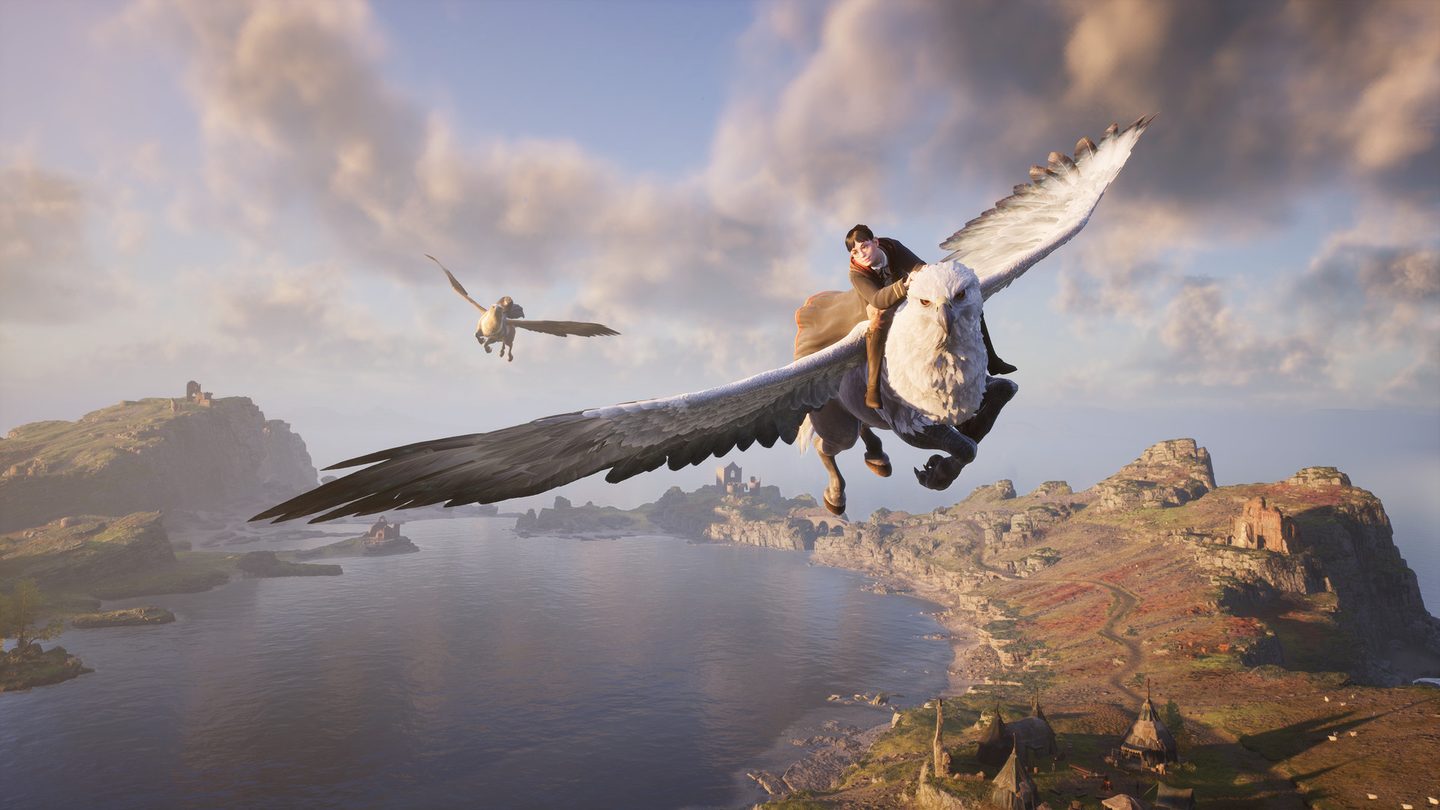
Confirmed: the sequel is in development, and Warner Bros. considers it important enough to name specifically to shareholders — a step it did not take with a lot of games in that pipeline.
Not confirmed, but consistent across several job postings: Avalanche has been hiring for an “online multiplayer RPG,” with a Lead Narrative Designer role that lists writing for “PvP, PvE, matchmaking, and live-service updates” among its responsibilities, and a senior engineering role naming server infrastructure and cross-platform matchmaking. None of the postings say Hogwarts Legacy by name. Avalanche is not publicly staffed on anything else, which is the entire basis for connecting the dots — a real basis, but an inferred one, and I want to be honest that it is inference rather than confirmation.
Treat the multiplayer and live-service framing as likely, not settled, until Warner Bros. or Avalanche say it about this specific game.
Why that framing, if it holds, is the actual story
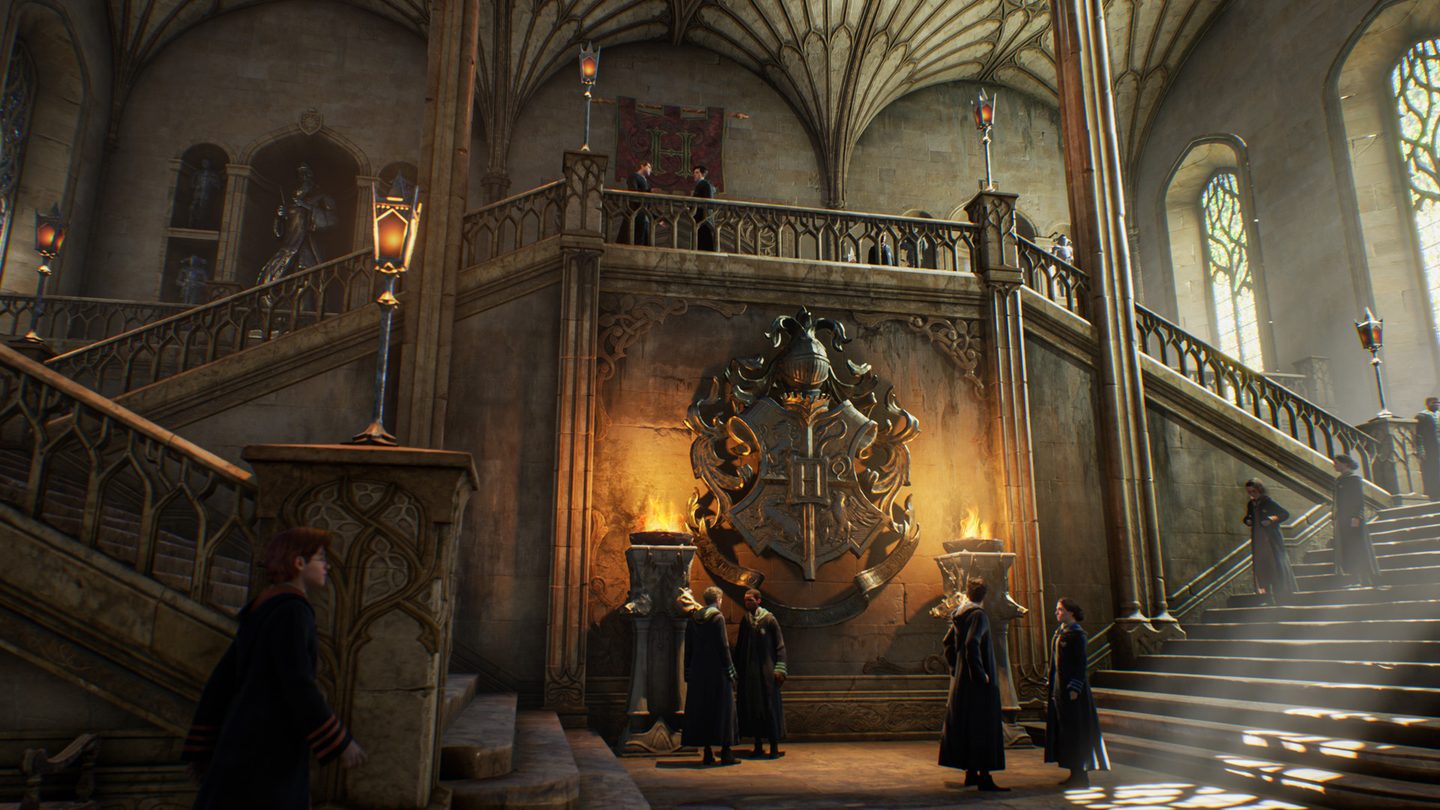
The first Hogwarts Legacy was built as a single-player open world on a heavily modified Unreal Engine 4, and Avalanche has talked publicly — at GDC 2024 and in Unreal Engine’s own developer interviews — about what that modification involved: extending the engine’s asset streaming so a seamless castle interior could sit against an open exterior without a load screen, and building the environment art pipeline around ultra-high-detail modular kits that could be dressed differently room to room without every piece being a unique asset. It is a “build the world once, then spend the rest of the project polishing what’s there” pipeline. That is the right pipeline for a single-player game with one campaign and one release date.
It is close to the wrong pipeline for a live-service game.
A multiplayer RPG that expects matchmaking and PvP needs environment art that behaves under a completely different budget: geometry and lighting that stay performant with several players’ worth of characters, spells and netcode overhead on screen at once, not one. A live-service cadence needs content the art team can ship on a schedule after launch — seasonal dressing, new areas, cosmetics — built from kits designed for reuse and recombination from day one, rather than retrofitted onto a world that was authored as a single finished object. Those are not small adjustments to the first game’s approach. They are close to a different discipline, wearing the same castle.
None of this is unprecedented — plenty of studios have made exactly this jump, usually badly the first time, because the art tooling that made the first game beautiful is not the tooling that makes the second game sustainable to update. The interesting production question for Hogwarts Legacy 2, if the job listings are describing what I think they are describing, is not whether Avalanche can build a good-looking Hogwarts again. They clearly can. It is whether they can build one that a smaller live-ops art team can keep dressing every few weeks for years, without it starting to show.
What I would watch for
A proper reveal, whenever it lands, will say more with its B-roll than with its trailer. If this is a live-service game, expect an early developer diary that talks about “modularity” or “content pipelines” before it talks about story — studios that have made this jump tend to want press to understand the tooling story early, because it is the thing reviewers and players will judge them on eighteen months after launch, long after the initial reveal has been forgotten.
The shareholder letter details are from Warner Bros. Discovery’s Q2 2026 letter to shareholders, published 6 August 2026 and reported across outlets including WCCFTech, TweakTown and 80.lv. The job posting details are drawn from reporting on Avalanche Software’s listings by ScreenRant, VideoGamer and PSU; none of the postings name Hogwarts Legacy directly, and that connection remains inference rather than confirmation. Production details on the first game come from Avalanche’s GDC 2024 talk and its published interview with Unreal Engine.