Sony has spent 2026 clearing junk off the PlayStation Store. Roughly 1,200 ThiGames titles wiped in January, over a thousand more from Nostra Games and CGI Lab in March, another wave hitting GoGame, VRCForge and Welding Byte in April. Asset flips, template reskins, a growing share of it visibly generated rather than made. Nobody serious was defending that catalogue.
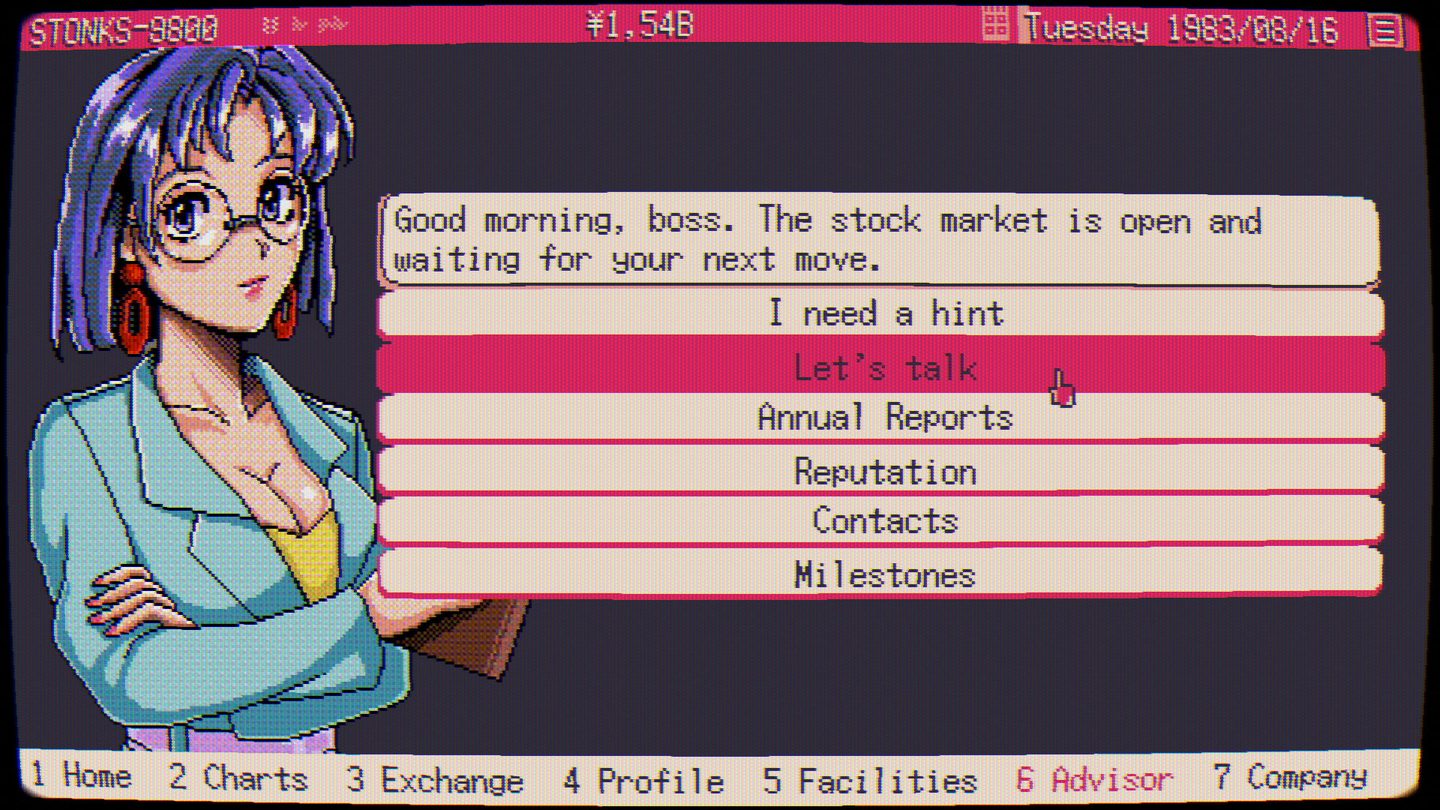
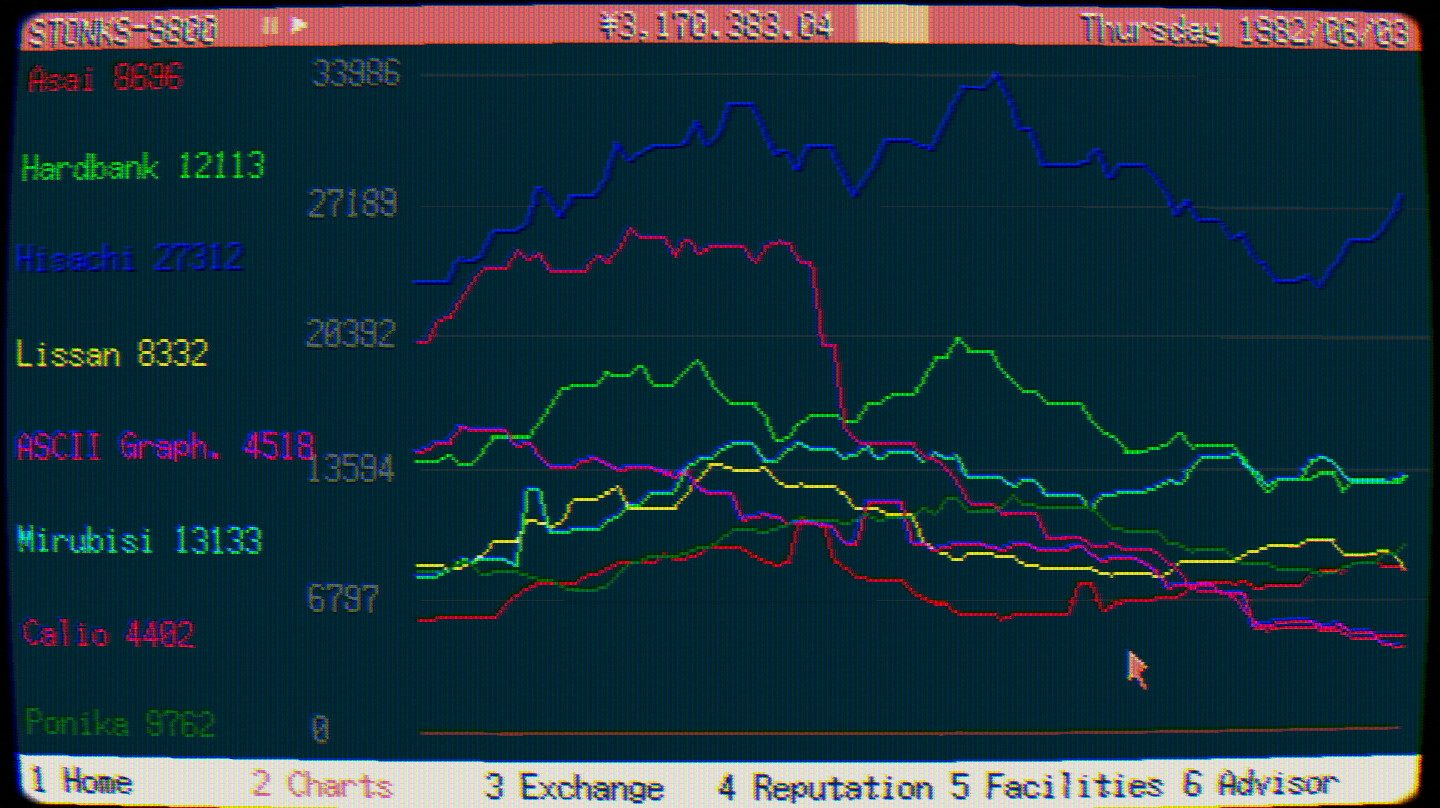
This week the purge reached Ternox Games, a small Ukrainian studio best known for STONKS-9800, a well-liked retro stock-market sim that’s been on Steam since 2021. Sony terminated the studio’s developer and publisher agreement with no reason given, cancelled the planned PS5 release of STONKS-9800, and is pulling all thirteen of the studio’s existing titles from the PS Store. The developer says emails to Sony have gone unanswered. There’s no appeal in progress because there’s been no response to appeal to.
That’s the part worth sitting with, because it is what happens when a detection problem gets solved with a policy instead of a person.
What the purge is actually supposed to catch
“Shovelware” isn’t one thing. It covers asset-flip garbage stitched together from marketplace packs and shipped under a dozen shell publishers to farm trophy completions — and, increasingly this year, output that’s generatively produced almost end to end, geometry included. Both are a real problem for a storefront: they drown out everything else in search and erode the platform’s baseline quality.
The trouble is what those two categories look like from the outside, at the scale Sony is operating at. Small file size. Heavy reliance on store-bought or freely licensed assets. Minimal unique geometry per title. A prolific output — several games a year from what looks like a tiny team.
Now describe a genuine solo developer working within an honest budget. Same profile. Nobody making a stock-market sim alone is hand-sculpting bespoke architecture for every scene; you buy what you can’t build, you reuse what you built last time, and you ship more than one game because that’s how a one-person studio survives long enough to make a second one. The signals a screening pass reaches for to catch a shell publisher are, structurally, the same signals a legitimate low-budget author produces. That’s not a coincidence you can engineer around cheaply — it’s the actual shape of the problem.
What would tell them apart
The honest answer is that file size and asset provenance can’t do this alone. What separates a flip mill from a solo dev isn’t how much of the content is bought-in — it’s whether there’s a consistent authorial hand across it: a build history that shows real iteration, a support presence that responds to players, a design identity that’s recognizably the same person’s across releases even when the assets underneath aren’t. Those are slower signals to check. They require someone to actually look at the account, not just its output volume and average texture-memory footprint.
That’s the tell in how this one played out. No explanation, no response to direct outreach, thirteen titles pulled as a batch rather than reviewed individually. That’s what it looks like when a threshold gets crossed automatically and nobody sits down afterward to check whether the account on the other side of it is a shell farm or a person who’s been shipping honestly for five years. The purge is treating provenance as a proxy for legitimacy, and for anyone working at the actual budget floor of solo development, those two things aren’t the same measurement.
Why this keeps happening
Sony isn’t wrong that the storefront had a real problem, and generative tooling has made the flip-mill version of it worse and cheaper to produce than ever. A blunt instrument was probably always going to catch something it shouldn’t on the way through — that’s the cost of clearing a store with thousands of listings instead of reviewing them one at a time. But the cost lands entirely on the side with no leverage. A publisher that size gets a phone call. A solo studio gets a form-letter silence and a cancelled platform release it can’t afford to lose.
If the detection is going to keep running at this scale — and it should, the junk was real — it needs a second stage that isn’t automatic: a human review triggered before a working developer’s entire catalogue disappears, not after enough press coverage makes Sony explain itself. Right now the appeal process appears to be getting written about. That’s not a process.
Reported from Ternox Games’ public statements about the termination and the established timeline of Sony’s 2026 PS Store delistings as covered across the trade press this year; Sony has not published its own account of this specific case at time of writing.