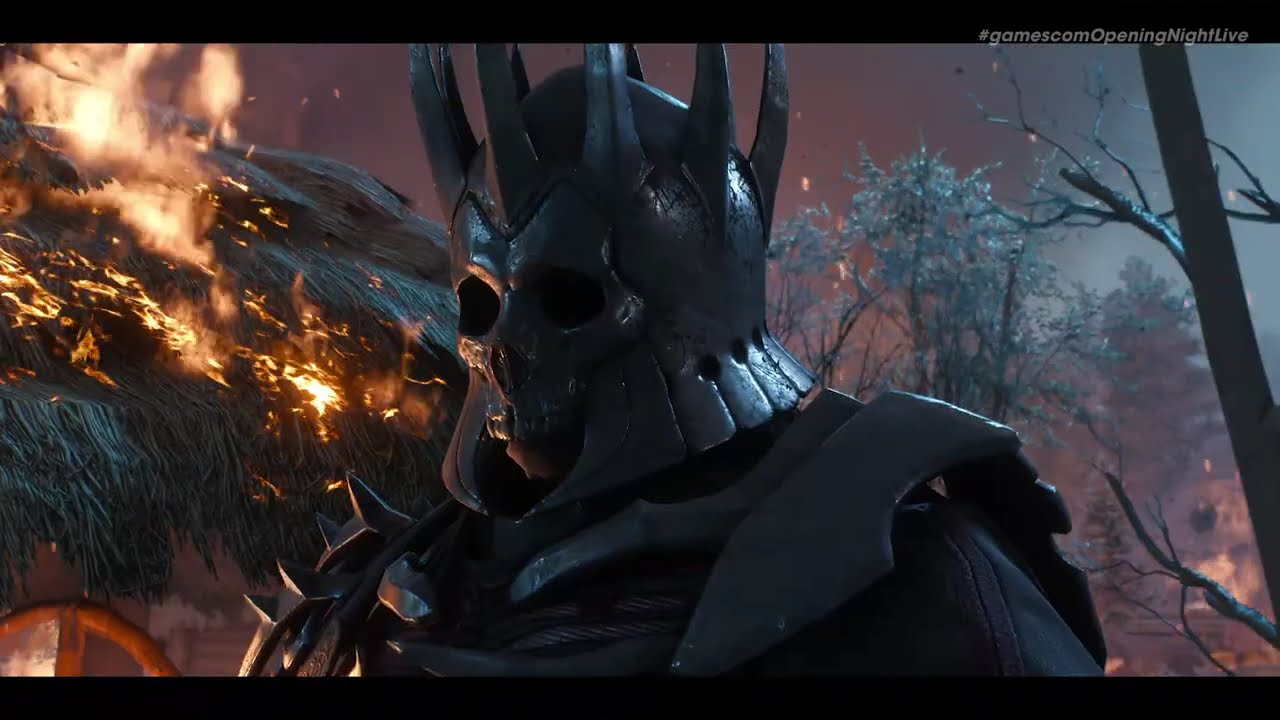
Eleven years.
That’s the gap between Blood and Wine and Songs of the Past, the expansion CD Projekt Red premiered at Opening Night Live last night. It arrives in 2027 on PC, PS5, Xbox Series X|S and Switch 2, co-developed with Fool’s Theory, and it takes Geralt to a region called Letten — rural, pastoral, and hiding the usual thing under the usual surface.
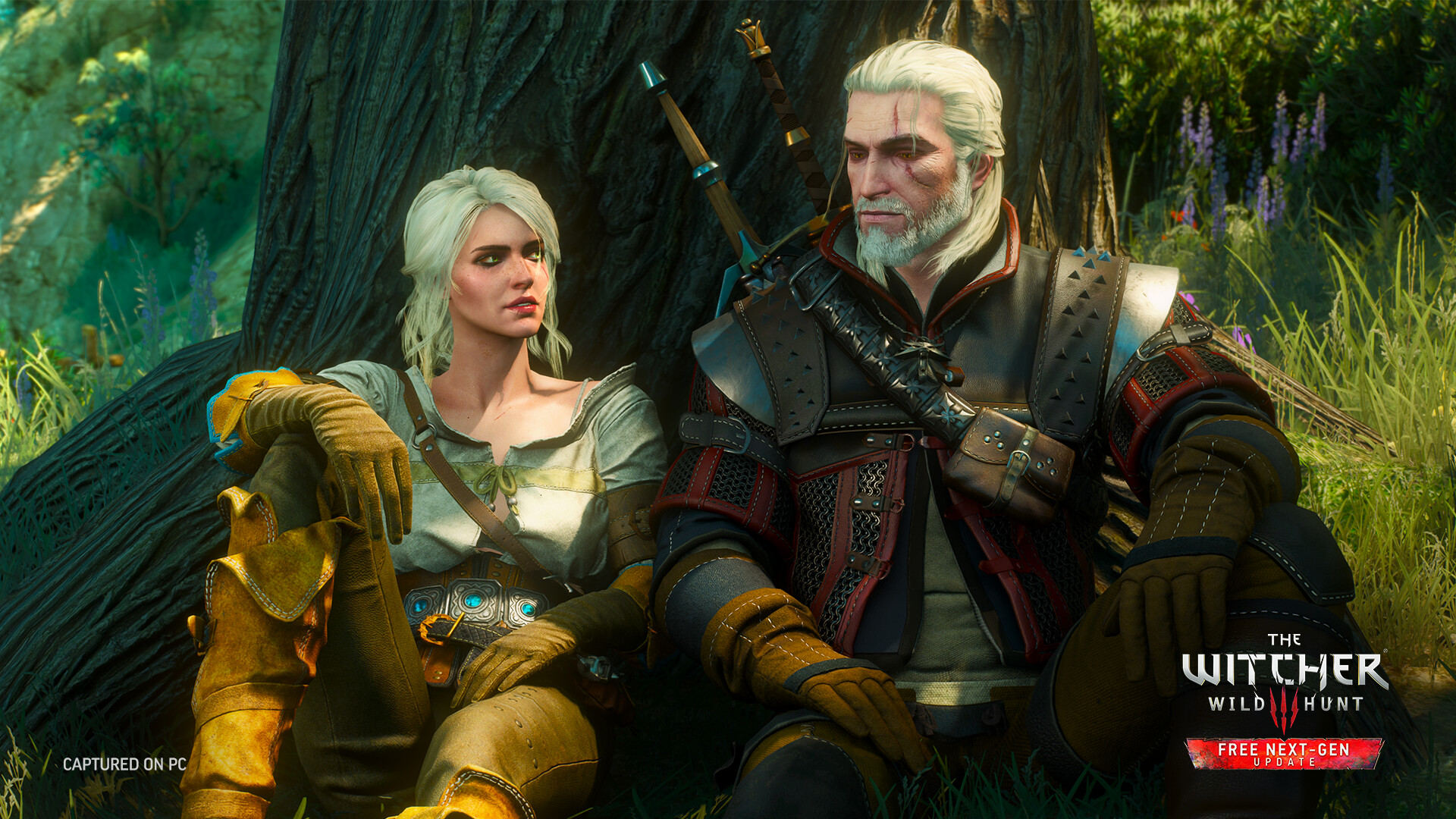
The same announcement carried a second one: The Witcher 3: Wild Hunt — Remastered, a free upgrade for anyone who already owns the game, out 29 September.
The bit nobody put in a headline
Yesterday I wrote about The Witcher 4 targeting 2028, built in Unreal Engine 5, with over 500 people on it. CD Projekt Red announced that engine move in March 2022 and has talked about little else since.
Songs of the Past is not being built in Unreal Engine 5. Neither is the remaster. Both are REDengine work — the in-house technology the studio very publicly moved off four years ago.
So there are two live pipelines in that building. One is the future everyone talks about. The other is an engine with no roadmap, whose tooling nobody new is being trained on, shipping paid content into 2027.
That is a strange and quite expensive place to be, and I don’t think it’s an accident.
Why you’d do it anyway
The alternative was worse. Rebuilding Witcher 3 in Unreal to make one expansion means re-authoring a world of hand-placed detail, remaking every material, re-baking lighting that was art-directed around a 2015 renderer, and then convincing an audience of millions that the thing they remember still looks like itself. You’d spend Witcher 4 money to ship a Witcher 3 add-on.
Staying in REDengine means the world already exists, the tools already work, and the people who know where the bodies are buried are — some of them, still — around.
Handing it to Fool’s Theory makes more sense once you notice they are already inside this codebase — they’re the studio working on the Witcher 1 remake. They are not learning REDengine for this job. They were always going to be the people who still knew it.
Read the two announcements together and it looks less like nostalgia and more like a use for a team and a technology that would otherwise be idle while the Unreal transition eats everything else.
What “remastered” has to mean on an eleven-year-old world
Here’s where it gets interesting for anyone who builds environments.
Witcher 3 has already been through this once. The Complete Edition next-gen update in December 2022 added ray-traced global illumination and reflections, higher-resolution textures, and a photo mode. So a 2026 remaster is a third pass over the same geometry, and the obvious question is what’s actually left to improve.
Very little, if a remaster means resolution to you. Quite a lot, once you know what a 2015 open world is made of underneath.
The original was built for a memory budget that assumed a PS4. That shows up in places the marketing screenshots never go: LOD chains authored by hand with hard switches you can see if you look sideways while riding, foliage cards that read as flat the moment you get close, terrain that was sculpted knowing the draw distance would hide the far half of it, and interiors lit with baked solutions that had the limitations designed into the art direction rather than fought.
You can bolt ray tracing onto that. CD Projekt Red did, in 2022. But ray-traced light lands on the geometry you actually have, and a bush made of four intersecting planes lit accurately is still a bush made of four intersecting planes. Better lighting on 2015 assets mostly reveals that they are 2015 assets.
A remaster that means anything at this point is asset work: denser meshes where the silhouette matters, materials rebuilt so they respond to light that moves, foliage that survives being stood next to. That is slow, unglamorous, and exactly the kind of thing you can put a smaller team on while the big team is elsewhere.
And it’s free, which tells you something about what it’s for.
The chain
One detail from the trailer that I liked more than I expected: Geralt is using a new chain-like weapon, and CD Projekt Red’s level design lead Miles Tost said on stage that it’s a weapon from the intro of the studio’s first Witcher game, from 2007.
Nineteen years of continuity, cashed in as a prop.
That’s the kind of thing a team does when it has been living inside the same fiction long enough to have a memory of it — and it’s the argument for keeping the old pipeline alive that nobody makes in a shareholder call, because it doesn’t have a number attached.
Details from CD Projekt Red’s press centre and the Opening Night Live broadcast of 25 August 2026. Songs of the Past is dated 2027 with no month; Remastered is dated 29 September 2026.