Nineteen jurors for the Independent Games Festival signed a statement on Monday saying they will decline to vote for any game that uses generative AI in any capacity. The statement describes the discussion behind it as fairly intense disagreement across the judge and jury pools. It does not name a game.
A day later, House House published a disclosure. The Melbourne studio behind Untitled Goose Game, and behind Big Walk since August, said LLMs were used sparingly to work through difficult technical problems and bugs, and that well under 0.1% of Big Walk’s code had anything to do with that use. No generative AI in any other context. The studio apologised, said the disclosure is not an endorsement or an argument for using these tools, and added that Big Walk was made without an internal AI usage policy — which it called a failure.
Forum threads have tied the jury statement to a specific undisclosed use on a specific game. Nobody has confirmed that, the statement itself points at no title, and I am leaving it alone.
What 0.1% of a codebase is
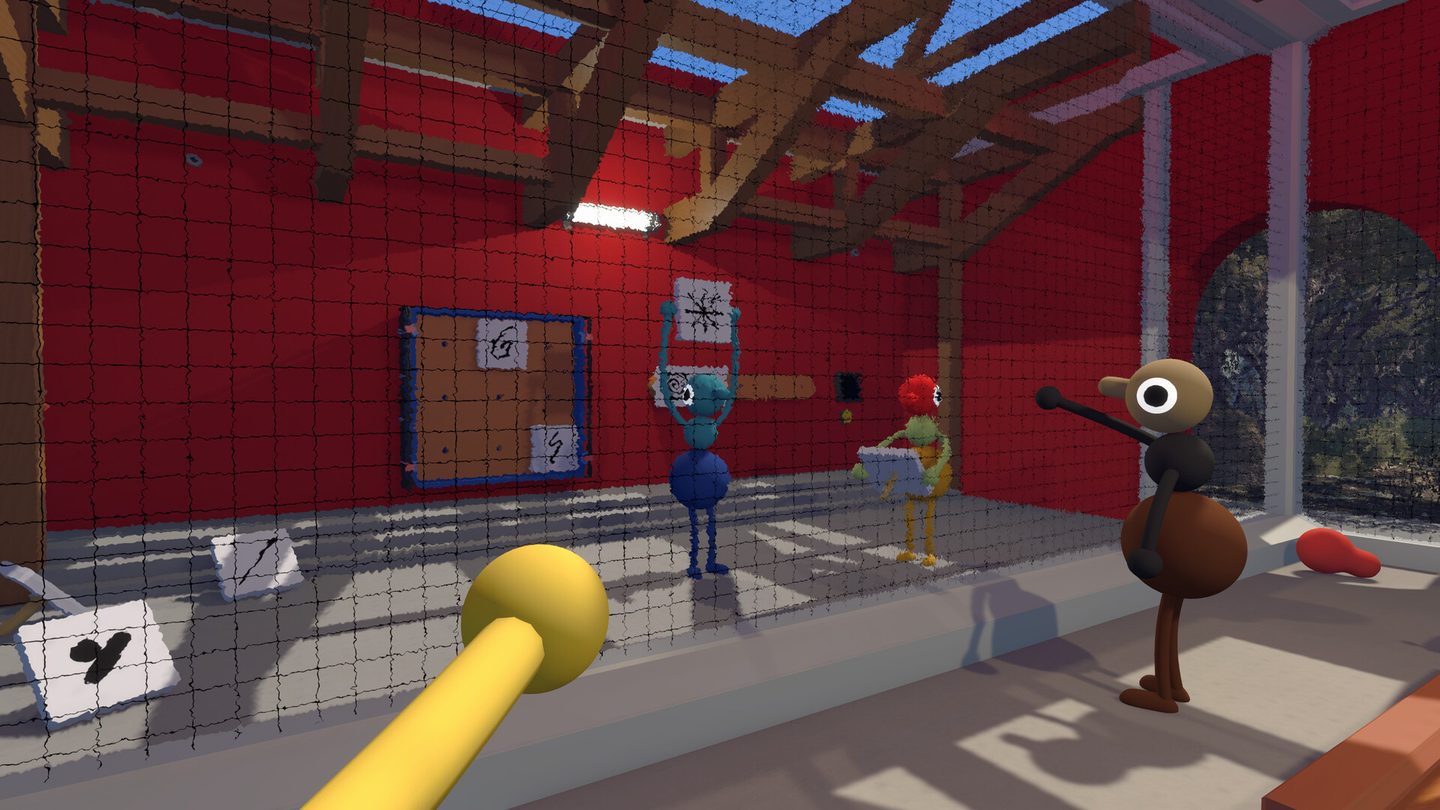
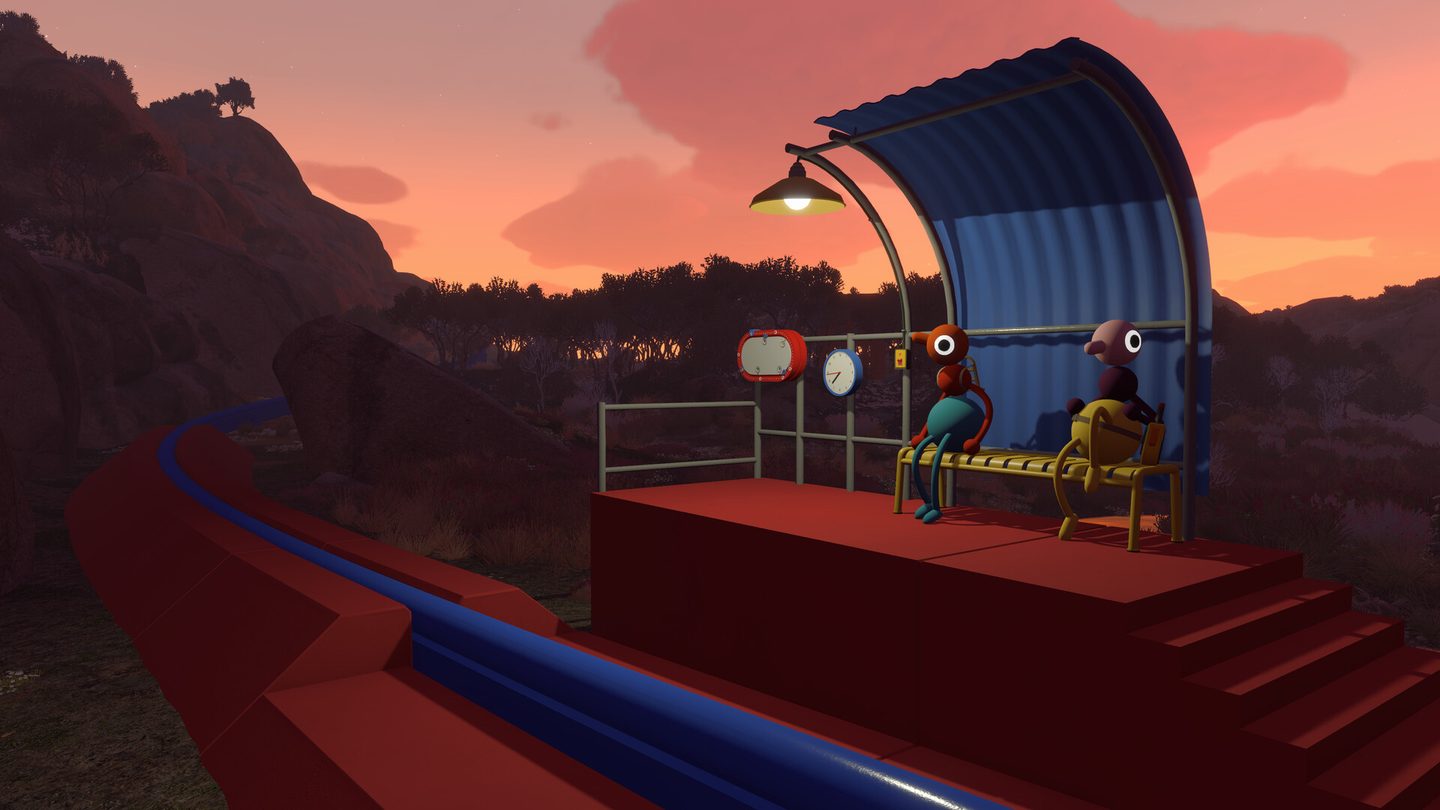
Big Walk is a co-op game shipped on PC, Mac, PS5 and Switch 2 on 4 August 2026, $19.99, published by Panic, four and a half years after its reveal. A project that size runs into the hundreds of thousands of lines once you count tools, build scripts and editor code. Under 0.1% of that is a few hundred lines. A day of work, maybe two. If the work was debugging, as the studio says, some of those lines are a model suggesting what a stack trace meant and a person then writing the fix by hand, which never shows up as generated code at all.
It is a number a studio can actually go and check. Open the commit log for the last weeks, read what landed, count it. That is rare. Whether it is the right number I cannot tell you, and neither can anyone outside House House. A self-reported figure is still better than the usual formulation, which is a spokesperson saying the tools were used responsibly and declining to say where.
The last weeks are where the line moves
Everyone who has shipped something knows the shape of that period. A shader that compiles on three platforms and fails on the fourth. An importer choking on a mesh that was fine last week. An engine version you cannot roll back because QA has already signed off on a build that depends on it. Nobody makes considered pipeline decisions in that window. You stop the bleeding. That is the whole brief.
And this is where the distinction artists keep drawing gets awkward. A model generating a texture produces something that lands in the frame, ships to the player, and carries its provenance with it forever. A model reading an error log produces a hypothesis you test and discard. From my desk those are not the same act, and pretending otherwise costs the argument its edge.
But the blanket version of the rule exists for a reason, and the reason is that studios kept moving the line on their own. Sega pulled the Shogun 2 remaster two days after launch when players photographed artefacts that pointed past upscaling. That was art, shipped, in the product people paid for. Once a few of those land, “in any capacity” stops looking like an overreach and starts looking like the only line that cannot be negotiated down a sprint at a time.
The sentence worth taking away
Of everything in the House House statement, the admission that there was no internal policy is the part that applies to anyone else making things.
A policy is not a press release. It is the document that answers a question before the question is urgent: can a programmer paste a crash log into a chat window, can a tech artist ask a model to write a Python snippet for a batch rename, can anyone type a prompt into a texture tool. Decide that in month three and the answer holds at 2am in month fifty. Decide it at 2am and you get whatever the tired person decided.
Saber had an answer on Space Marine 3, and the answer was absolutely none — because Games Workshop required it. That same studio had used generative tools on a small project of its own. The rule came from the licence holder, from outside, written down in advance. House House is a studio of a handful of people with no licensor standing over it, and it discovered what its rule was after the game was out.
The disclosure trap, stated honestly
The other thing in the statement is harder than it looks. House House said it has some concern that voluntary disclosures like this one might help normalise the technology.
That is a real bind. I have no clean way out of it either. Say nothing about a few hundred lines of debugging and it passes unremarked, which is how the practice spreads. Say something and the fact goes into headlines, gets flattened to “studio used AI”, and sits next to cases where a model painted the backgrounds. There is no agreed unit of measurement here — no category for debugging help that distinguishes it from asset generation, and no standard form for saying so. Until it has one, every studio that volunteers a number is choosing to be the example.
Statement details, the juror count and the 0.1% figure as reported by VGC and Aftermath on 9 and 10 November 2026. Big Walk’s platforms, price, publisher and 4 August 2026 release date from the launch press release carried on Game Developer. The jury statement names no game; claims circulating about which title prompted it are unconfirmed.