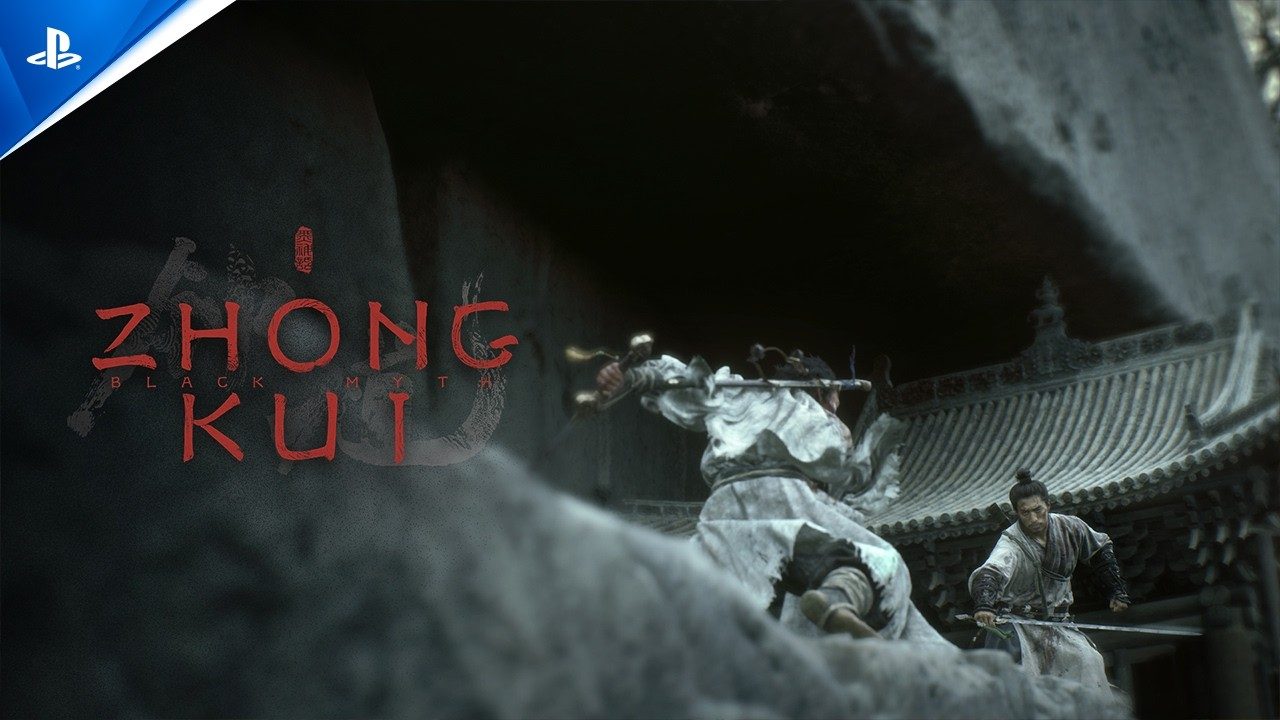
Game Science has a habit now: every 20 August, the anniversary of Black Myth: Wukong’s 2024 launch, the studio posts an update on whatever it’s building next. This year that update was substantial — 15 minutes of gameplay from Black Myth: Zhong Kui, the first extended, in-game look since the sequel was announced at gamescom’s Opening Night Live a year ago. The footage racked up over a million views within a day, which tells you how much goodwill one 2024 game bought an entire follow-up nobody has a release date for.
What was actually shown
The build is early — Game Science says so upfront, and it’s captured in a cinematic 21:9 crop rather than a native gameplay aspect ratio, which is usually a tell that a studio is still controlling exactly how much you see. Inside that frame: Zhong Kui, the demon-queller and ghost-catching magistrate of Chinese folklore, wielding a sword instead of Wukong’s staff, in combat that reads noticeably slower and more deliberate than anything in the first game. No release window has been given.
That’s the whole news item. The interesting part is one sentence buried in most of the coverage: where Wukong was built around acrobatic, transformation-heavy combat, Zhong Kui is built around blocking and parrying.
Why that’s a bigger ask than it sounds
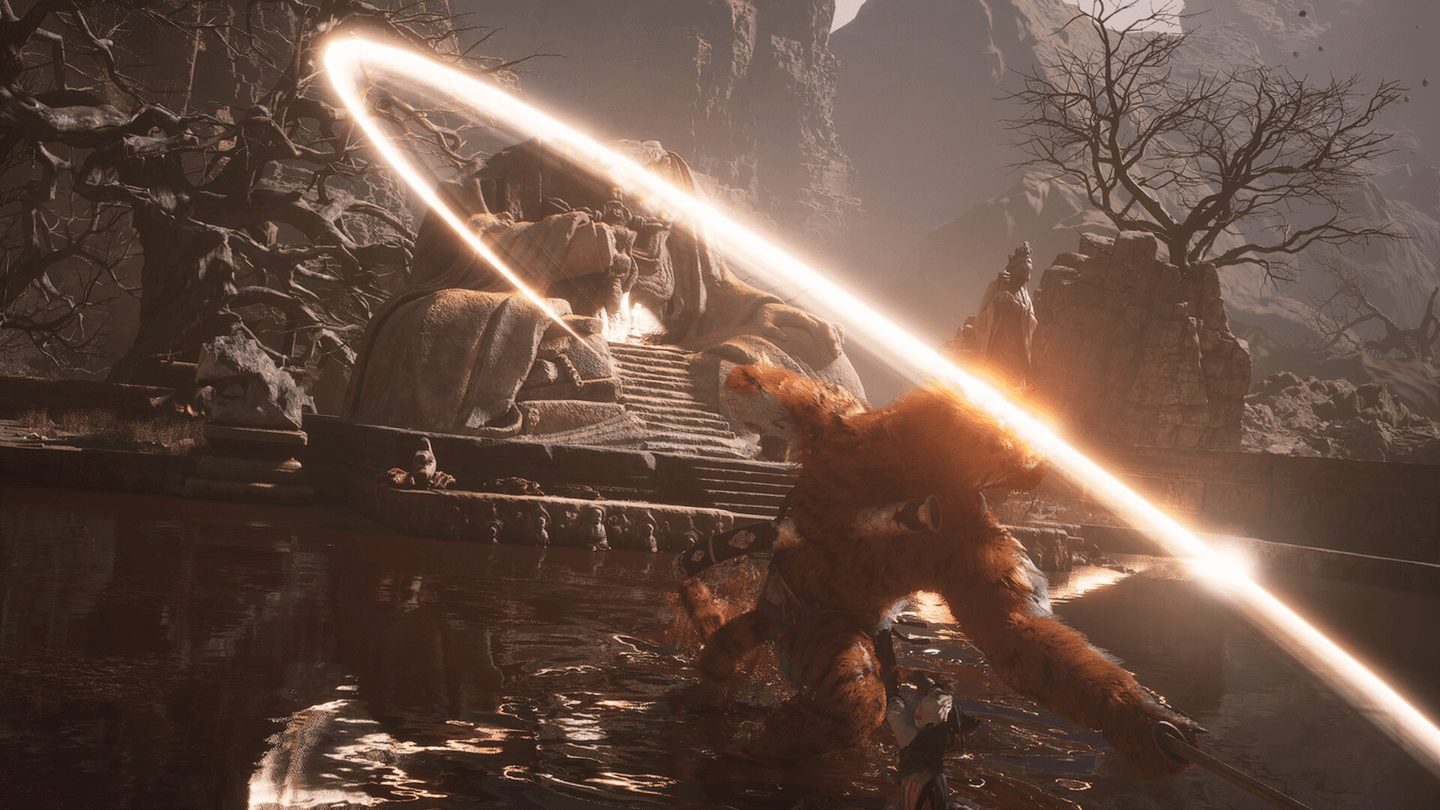
Wukong’s combat system, mechanically, is forgiving to build content for. Transformations swap the player into an entirely different moveset and silhouette — different animation set, different hitboxes, done. Evasion-based combat rewards good read-and-dodge timing, but the animator’s job is mostly about making the dodge windows generous enough to feel fair and the attack telegraphs big enough to read at speed. It’s a system built to look spectacular in short trailer cuts, because acrobatics photograph well.
A parry-and-block system built around a grounded stance is a different discipline entirely. The whole feel of it lives in a much narrower band: the exact number of frames of parry window, how forgiving or punishing a late block is, how the character’s weight reads on impact, and — the part that actually eats animator time — hit reactions that have to be authored per attack type, not just per enemy. Souls-adjacent parry systems live or die on whether a block feels like it’s stopping real mass. That means weapon-clash VFX synced frame-accurately to the parry window, camera shake tuned so it reads without disorienting, and enemy attack animations re-authored so their telegraphs are readable from a blocking stance instead of a dodging one — you can’t just reuse Wukong’s enemy attack library and swap the player’s response to it.
None of that shows up in a highlight reel. It shows up in whether the combat still feels good on the fortieth enemy type, long after the marketing footage has stopped being representative.
The character-design problem underneath it
There’s a second, quieter shift. Wukong is a shapeshifting trickster — the character design brief is “whatever’s most striking in this scene,” because transformation is the whole point. Zhong Kui is the opposite kind of folklore figure: a magistrate, bound by rank and formality, whose design has to communicate authority and constraint rather than chaos. That pushes the costume and prop language toward heavier, more architectural silhouettes — robes with real structural weight, ceremonial elements that have to survive fast combat readability without turning into noise. Grounded combat and a grounded character concept are reinforcing the same design constraint from two different departments, which is either a sign the studio has a clear brief, or a sign they’ve backed themselves into having to nail both at once.
What I’d actually watch for next
Not another cinematic-crop trailer — Game Science has shown it’s willing to sit on footage for a year between updates, so there’s no reason to expect uncut gameplay soon. What would tell you whether the parry system works is the same thing that tells you with any Souls-adjacent combat: enemy variety under player-controlled camera, not scripted boss choreography. Fifteen minutes of curated footage can make any timing window look generous. A public demo — the kind Wukong never really got before launch — is the only thing that would settle it.
Everything above is current as of the 20 August 2026 reveal; Game Science has not confirmed a platform list, release window, or engine details beyond what shipped with Wukong.