Six days ago I wrote about the $700 million EA reportedly told its new creditors it plans to cut, and how that number still had no names attached to it. It still mostly doesn’t. What changed this week is that Game Developer got current EA employees talking on the record about what the buyout feels like from inside the building, across several studios — not just the ones already flagged as shaky.
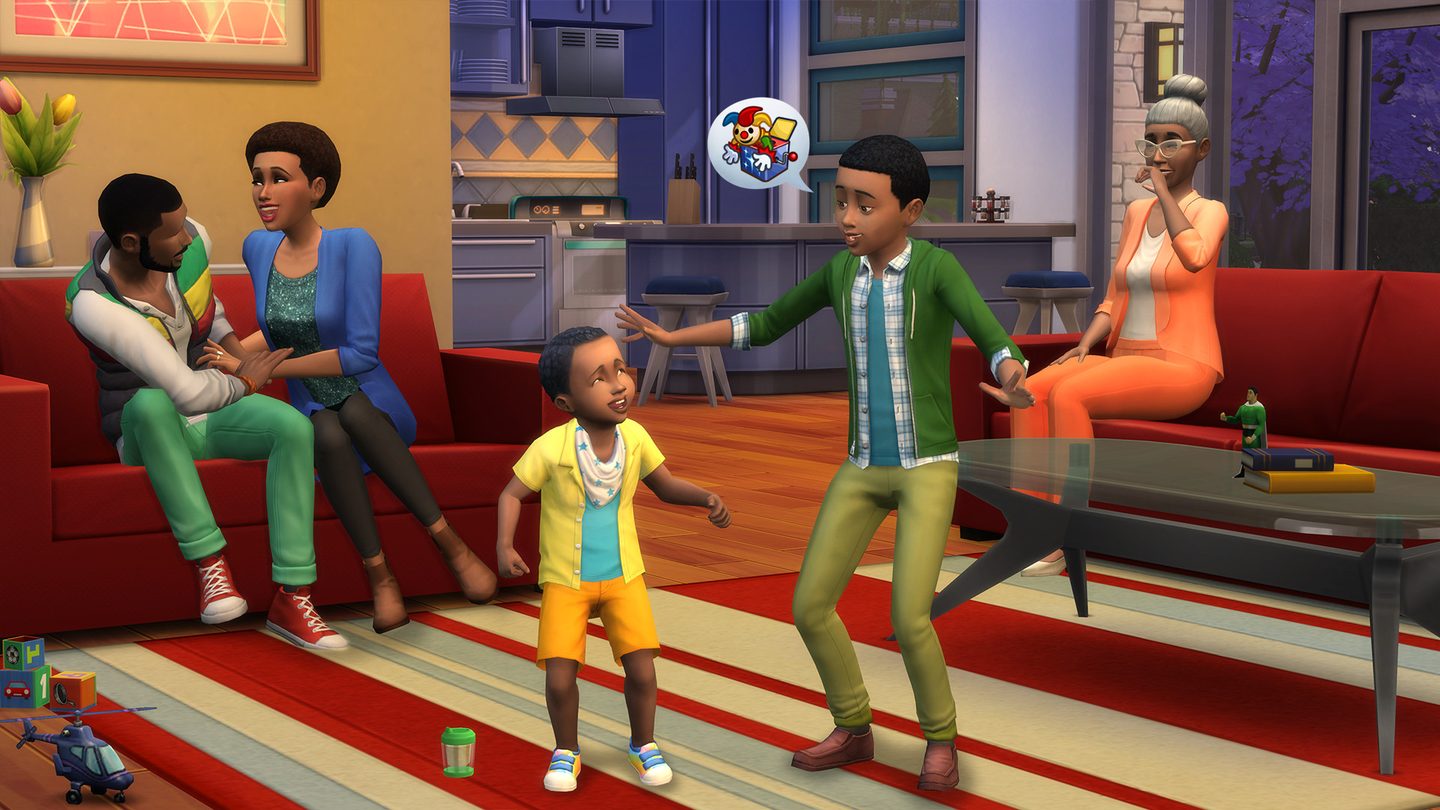
The headline pull-quote is “I feel dirty.” That is the kind of thing coming out of people at places like Maxis, home of The Sims — a studio nobody was naming in the restructuring speculation two weeks ago.
What’s actually being said
A few things are surfacing consistently, and it’s worth separating what’s reported sentiment from what’s confirmed fact.
The moral discomfort is real and it isn’t hidden. Multiple sources describe the Saudi Public Investment Fund’s involvement as a line some employees feel uncomfortable being on the wrong side of, given PIF’s role as an arm of the Saudi state. One source described the deal, more bluntly, as a way to launder a “regressive” human rights record through an “established and comparatively progressive company culture” — that’s a characterization, not something EA or PIF said about themselves, and I’m flagging it as such.
Nobody has confirmed a layoff list, but almost everyone assumes one is coming. The working theory inside the building matches what outside financial reporting already pointed at: restructuring, headcount pressure, and a harder ROI filter on what gets funded. Workers describe expecting that any resulting job losses will read as “a choice, not a necessity” — profit protection for the new ownership rather than a business genuinely unable to pay its people.
There’s also a fresher, uglier data point. The Gamer reported a hot-mic moment of an EA higher-up reportedly dismissing staff for asking questions about the acquisition — the kind of story that spreads through a studio Slack in about four minutes and does more to sour morale than any spreadsheet.
The union response has teeth. EA employees and United Videogame Workers-CWA have publicly called for regulatory scrutiny of the deal, with a specific complaint that workers weren’t represented in the negotiations that decided their employer’s ownership structure. Whether that scrutiny materializes is a separate question from whether the discomfort is genuine — it clearly is.
I am describing the atmosphere in a building. It’s the temperature of the building, and the temperature is cold.
Why this is the art department’s problem specifically
Here’s the part I want to add to what I wrote last time, because “restructuring” is a word that lands very differently depending on which department you’re standing in.
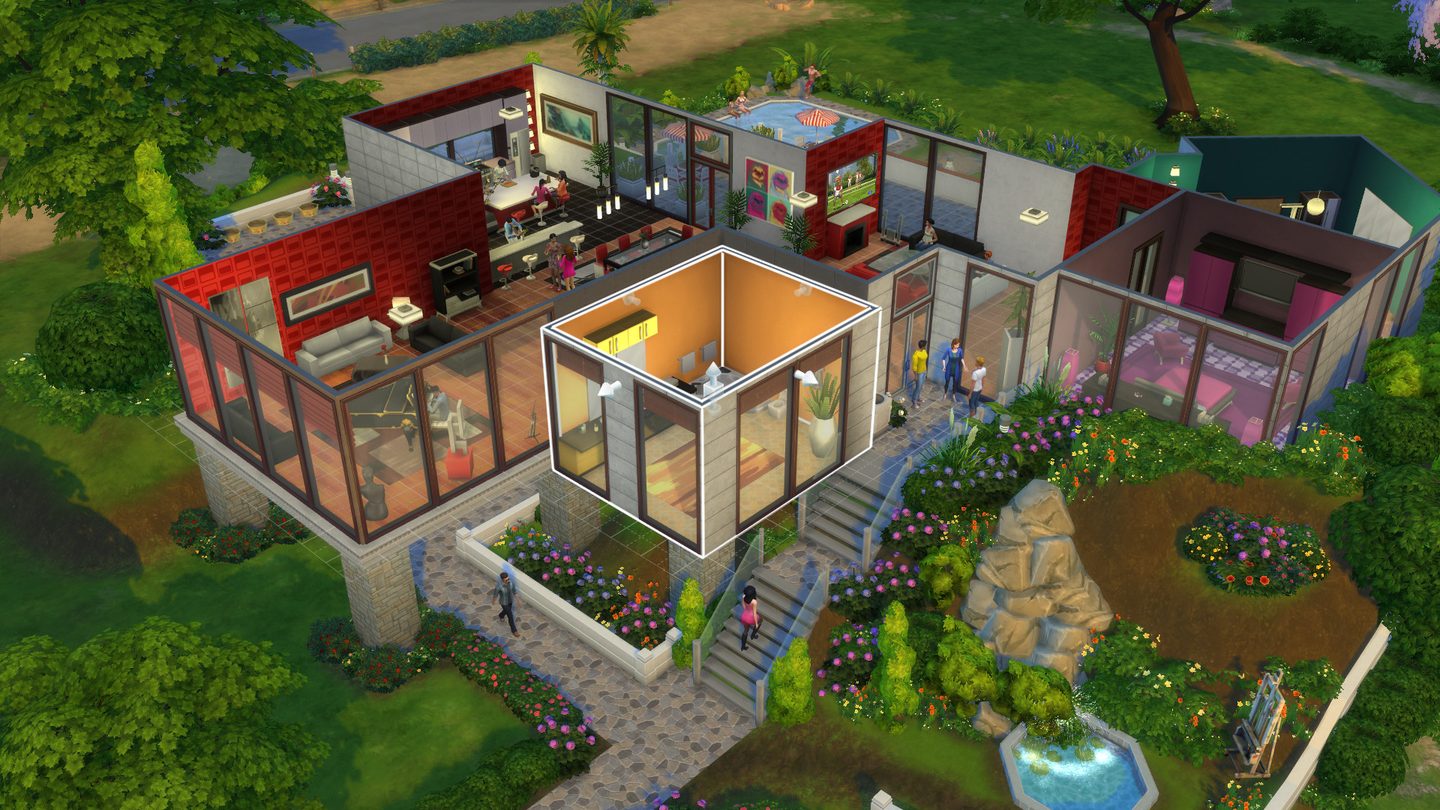
On a AAA production, environment art is usually the largest headcount line on the art budget, full stop — bigger than character art, bigger than VFX, often bigger than the design team. World-building scales with square footage in a way character work doesn’t: more biomes, more set dressing, more modular kit variants, more unique hero props. When a cost review goes looking for “organizational efficiencies,” a department that size is the first place the math points, and it rarely shows up as a headline layoff. It shows up as outsourcing contracts quietly not getting renewed, open reqs freezing mid-search, and vendor studios picking up work that used to sit in-house.
The ROI filter cuts the other way too, and this one is about what gets greenlit rather than who gets let go. A debt-loaded owner with a repayment schedule to hit tends to fund the safe bet — the live-service extension, the sequel to the thing that already sold, the world built from a kit that can be reused across three projects — over the one-off, hand-authored environment that takes two extra years and might not repeat its cost. That’s not a hypothetical for EA specifically: it’s the exact shift I wrote about with Hogwarts Legacy 2’s job listings pointing toward multiplayer infrastructure over a second single-player campaign. An owner watching interest payments makes that call more often, not less.
And there’s a quieter cost that doesn’t show up in any org chart: art direction gets conservative when nobody knows if the project survives. Teams under that kind of uncertainty stop pitching the ambitious lighting pass or the unusual biome and start protecting what already tested well. You can’t always see that in a shipped game, but you can usually feel it — it’s the difference between a world that took a swing and one that played it safe because nobody had the job security to argue for the swing.
What I’d actually watch for
Outsourcing partner job boards, not EA’s own careers page. If EA’s external vendors suddenly have a lot more open contract work, that’s the environment art headcount reduction happening quietly, weeks before it would ever become a press story.
Whether Maxis stays the exception or becomes the example. A stable, profitable studio’s staff describing this kind of dread is the more interesting data point than anything coming out of BioWare, precisely because BioWare was already expected to be nervous. If the cynicism is spreading to the studios that were supposed to be safe, that tells you more about where this is actually heading than another anonymous quote about a studio everyone already assumed was in trouble.
The union’s regulatory push, because a request for scrutiny that actually gets traction changes the timeline on everything else in this story.
I said last time I’d come back once there was an actual studio list instead of a leaked target. There still isn’t one. What there is now is a building full of people who’ve stopped believing “invest boldly” was ever the plan — and if you work in environment or tech art anywhere near this publisher’s orbit, that’s worth taking seriously before the spreadsheet catches up to the mood.