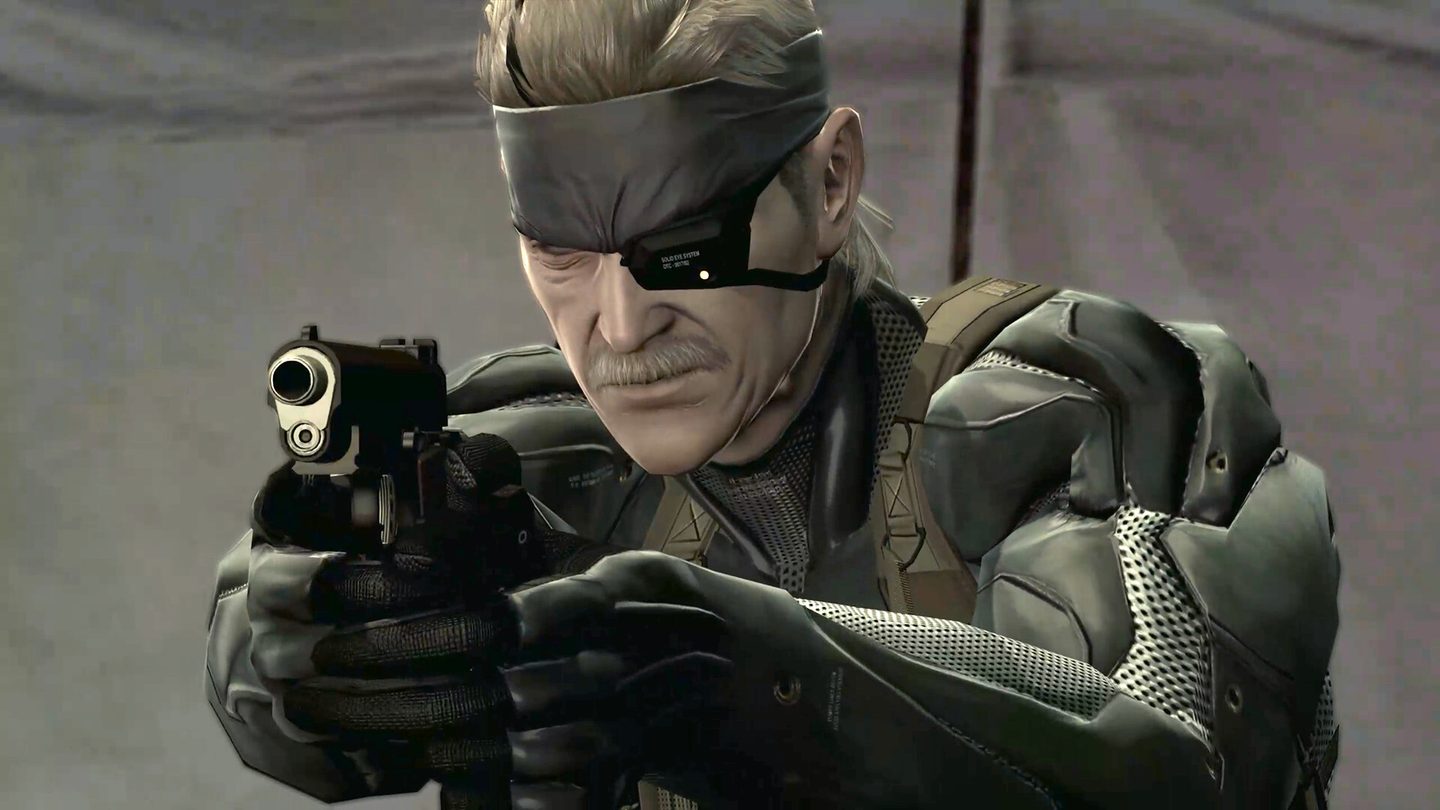
Reviews for Metal Gear Solid: Master Collection Vol. 2 went live on 21 August, six days ahead of the 27 August release on PS5, Xbox Series X|S, Switch 2, Switch and PC. Metacritic has it sitting at 85, OpenCritic at 84 — both well clear of Vol. 1’s 74/73 two years ago.
Averaging the five outlets I found a published number for, on a 1-10 scale, gives 9.0. ComingSoon and Video Games Chronicle both went essentially perfect, DualShockers landed on 9, COGconnected on 8.5, and Push Square — the most reserved of the set — still gave it an 8. Nobody is calling this a rough job.
The headline everyone is running with is correct: Metal Gear Solid 4: Guns of the Patriots is out of PS3 exclusivity for the first time since 2008. That is eighteen years a huge chunk of the series’ fanbase has been locked out of what’s widely considered Kojima’s most accomplished single game. It’s a genuinely big deal, and it’s most of why this is worth a review of its own rather than a line in a roundup.
But “we ported an old game” undersells what’s actually in this box, because the three games in it are not from the same era of hardware, or the same era of me — the pipeline I’d have used to build them.
Three games, three completely different starting points
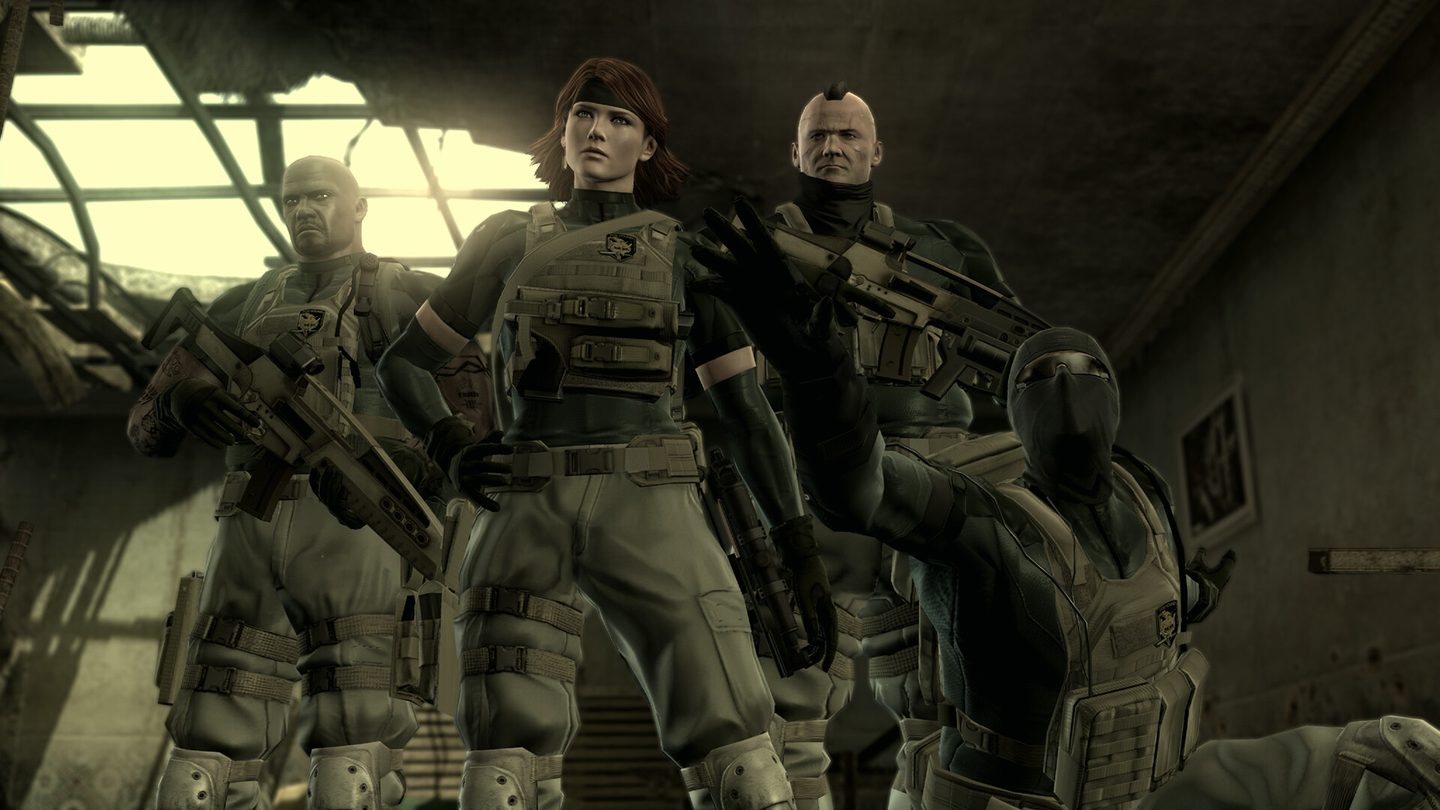
Ghost Babel is Game Boy Color, from 2000. Sprite-based, tile-constrained, built for a screen the size of a matchbook.
Peace Walker is PSP, from 2010 — already remastered once, into the HD Edition bundled on PS3, Vita and Xbox 360 back in 2011. Several reviewers, Gamereactor among them, flagged that this is largely that same HD pass again rather than a fresh one, which is a fair complaint if you already own it.
MGS4 is PS3, 2008, built by a studio squeezing every trick out of the Blu-ray drive and the console’s memory budget to ship something that looked a full console generation ahead of what shipped alongside it.
There is no shared source asset library across those three. No common shader model, no common texture format, in some cases no source art above the resolution the original hardware displayed. Remastering that isn’t “recompile for a new target” — it’s three separate archaeology projects wearing one box art.
The interesting problem is the one nobody shipped a slider for
Here’s the part that actually made me sit up as someone who spends their working life on lighting and streaming budgets: MGS4 was designed around the limits of the PS3’s disc drive, not despite them.
The famous long loads on original hardware weren’t just a technical embarrassment Kojima Productions apologised for — they were load-hidden behind Codec conversations and cutscenes, because the game was streaming enormous chunks of the next act off Blu-ray in real time while you weren’t looking. That constraint shaped pacing decisions: how long a cutscene ran, how a chapter transition was staged, where a corridor was allowed to be a corridor versus where it had to be a load screen wearing a costume.
Take that constraint away — put the whole game on an SSD, or in RAM — and none of that staging is necessary anymore. The reviews that praise how “smooth” and “fast” this version feels are, without saying so directly, describing a game whose rhythm was tuned for a bottleneck that no longer exists. That is worth knowing, if you remember the original and wonder why certain scenes feel like they breathe differently now.
None of the reviews I read mention Vol. 2 doing anything as drastic as rebuilding lighting or geometry — this is a resolution, framerate and stability pass, not a remake. Given the range of source material involved, that’s the right call. Rebuilding a 2000 Game Boy Color title, a 2010 PSP title already remastered once, and a technically singular 2008 PS3 flagship to one visual standard would be a different, much larger, and much riskier project than “make three old games run well on new boxes.” Konami picked the achievable version of this and executed it competently, which is exactly what an 85 on Metacritic looks like: not a triumph of new art direction, a triumph of not breaking anything that already worked.
What holds it back
The complaints that recur across the lower scores are consistent: thin bonus content, no Metal Gear Online (which nobody expected to survive the jump, but its absence is still felt), and Peace Walker specifically feeling recycled rather than freshly treated. Push Square’s 8 and Gamereactor’s more mixed take both centre on the same point — MGS4 is carrying the collection, and everything else is along for the ride.
That’s a fair read. It’s also, arguably, the correct allocation of a limited remastering budget: spend the effort where the audience actually is, on the one game that was genuinely unavailable anywhere until this week.
Scores and Metacritic/OpenCritic aggregates as of 21 August 2026, ahead of the 27 August full release — expect more outlets to publish before launch day. The average above is my own arithmetic on the five outlets I could verify a published number for, not an aggregator’s weighting.