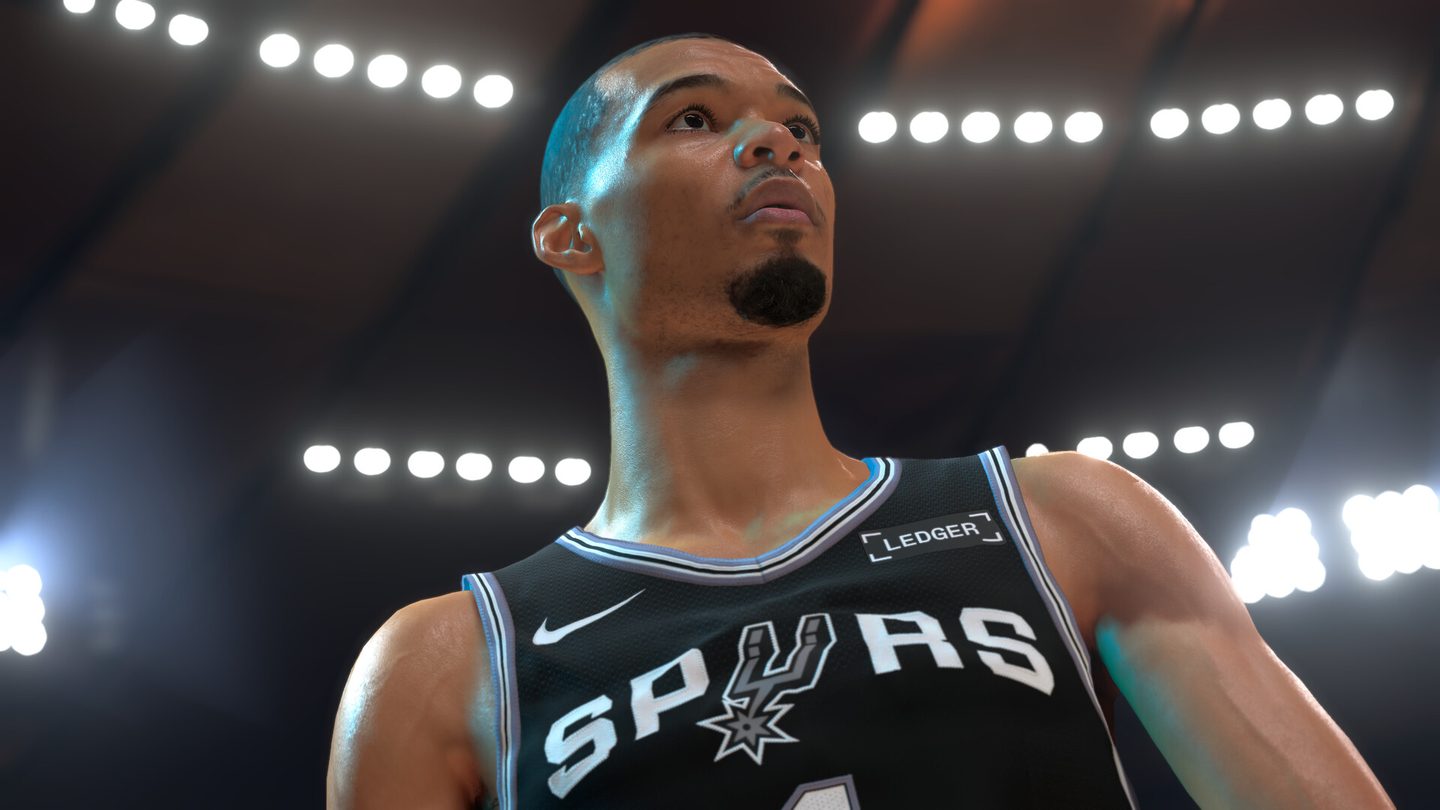
People have been paying to play NBA 2K27 since 26 August, when early access opened for the higher-tier editions. The standard edition arrives at the end of this week. Steam lists 3 September and most write-ups say the 4th; I have not been able to reconcile those two, so take the week rather than the day.
A week of paid access, then, and I can find three scored verdicts.
Sports Gamers Online published on 1 September and gave it 9. Athlon Sports gave it 8. The Outer Haven gave it 4 out of 5, which converts to 8 here. The mean is 8.3, which rounds to 8.5 on a range that spans a single point. OpenCritic has the game at 85 across a wider sample than mine, close enough that three verdicts do not appear to be pulling the number anywhere strange.
Three is thin and I would rather label it than dress it up. IGN has filed a “review so far” off roughly ten hours with the game, carrying no number at all. That is the sensible call for this kind of release and it is worth understanding why: the parts of an annual sports game that people actually argue about are economic, and an economy does not reveal itself in ten hours. You cannot tell whether a progression curve is fair until you have sat in the slow middle of it. So the scores arrive late, and they arrive after the people most likely to buy have already bought.
What got rebuilt is the defence
Every one of the three reviews lands in the same place. Hands-up defence has been redone, the shot-contest system reworked, defensive cutoffs strengthened, and there is a collision system that now feeds player ratings into whether contact actually dislodges the ball. IGN’s line — that if 2K26’s defence was a benchwarmer, 2K27’s is the Most Improved Player — has been quoted everywhere this week, and Sports Gamers Online’s specific praise is for paint defence and the contest system together, with an on-ball defender able to punch a shot attempt away.
Underneath all of that sits ProPLAY, which The Outer Haven notes has expanded again this year by thousands of animations. ProPLAY is 2K’s pipeline for converting real NBA footage into playable animation rather than capturing it on a mocap stage. That is the part worth sitting with.
If you have ever tried to pull animation out of broadcast footage, you know what the problem is. The camera follows the ball. It frames whoever is scoring, which means the man playing help defence is half out of shot, occluded by a body, or simply not there for the frames where his feet do the interesting work. Offence is generously covered by every camera in the building. Defence is covered incidentally. Solving for a skeleton you can only partly see is a different job from solving for one you can, and it is slower and it needs more source material.
Which is a plausible explanation for something this series has been criticised for over several releases: offence looking years ahead of defence. That gap looks like an availability problem in the source footage. Getting defensive coverage to the point where it can drive a contest system means accumulating a lot of angles over a lot of seasons. Thousands more animations this year is the sort of number that starts to close that gap.
I am inferring the causal link there rather than quoting 2K on it. But the shape fits.
Six eras of art, with a wall in front
MyCareer Eras is the mode people are arguing about, and both sides of the argument grant that it is well made. The Outer Haven’s James Clarkson calls it a fantastic addition. IGN calls it the place where the microtransaction problem stops being ignorable. Both can be true, and here they are.
Six eras means six sets of period-correct assets. Jerseys, courts, arena dressing, crowds, broadcast packages, the grain and colour treatment that makes 1998 read as 1998 rather than as 2026 with a filter on. That is a serious amount of art direction and a serious amount of work, and by every account it landed well.
Then: every new custom character in the mode starts at a 60 overall, with no way to carry a levelled-up MyCareer player across. Want to play all six? Grind out an enormous number of games in The City, six separate times, or pay to skip it, six separate times. The top edition of this game reportedly runs about $150 before any of that.
Somebody built a very good room and put a turnstile at the door.
The picture has stopped moving
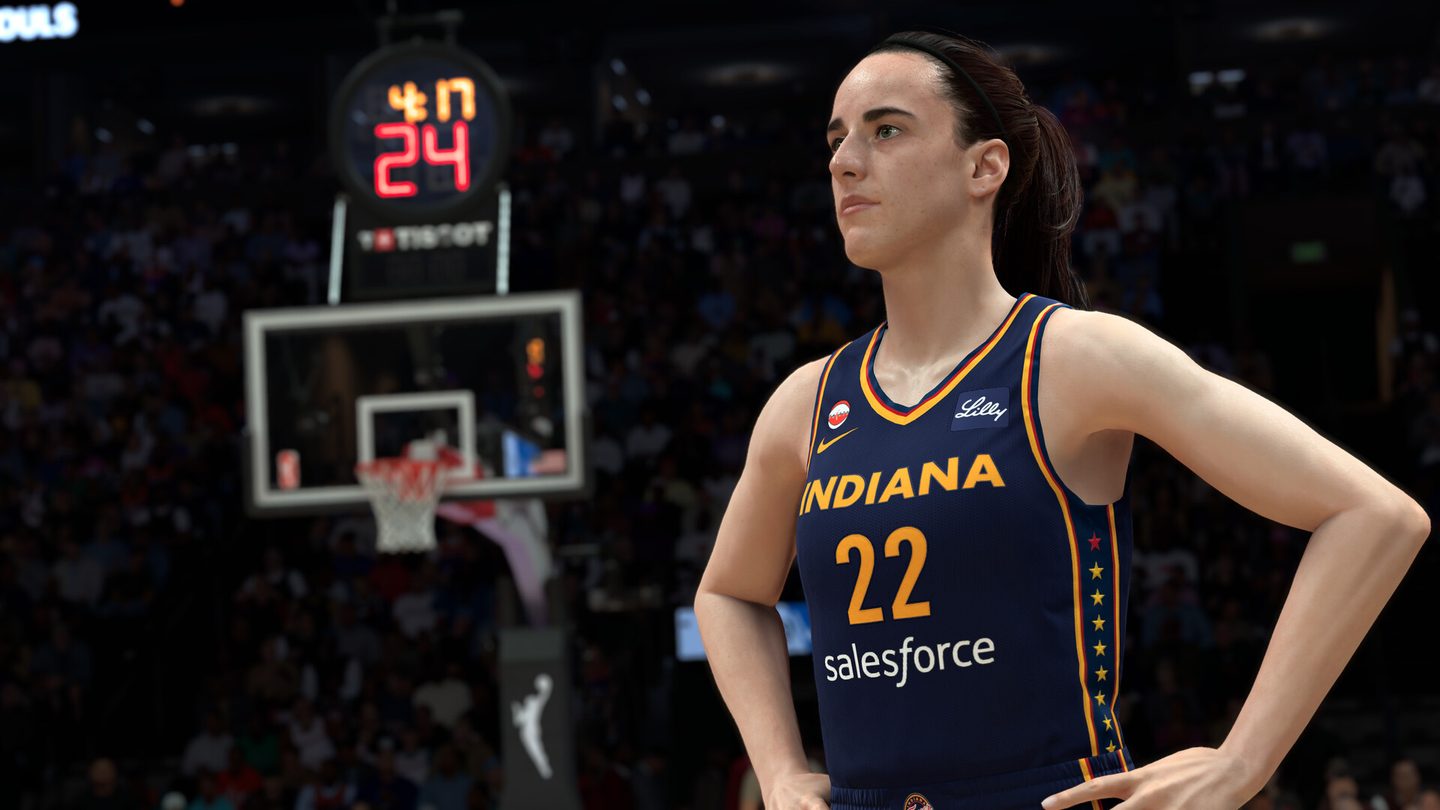
Athlon’s review makes an observation that is easy to skim past: the visuals have stopped improving. Alongside that, MyTeam drifting toward power creep and The City still generating the same complaints it has generated for years.
The visual plateau is the one I keep thinking about. Renderer work is not annual-cadence work. Lighting rebuilds, material pipeline changes, a new approach to skin or cloth — those need a year where nobody is shipping, and a yearly sports title never has one. What the schedule can absorb is roster churn, mode content, and animation volume, because those scale by adding people rather than by rearchitecting anything. So that is where the effort goes, and the picture holds steady while the animation count climbs.
Judged on the basketball, 8.5 looks right. Judged on the three verdicts it came from, ask me again in a fortnight, when the people who have played through the slow middle of that progression curve have filed their numbers.