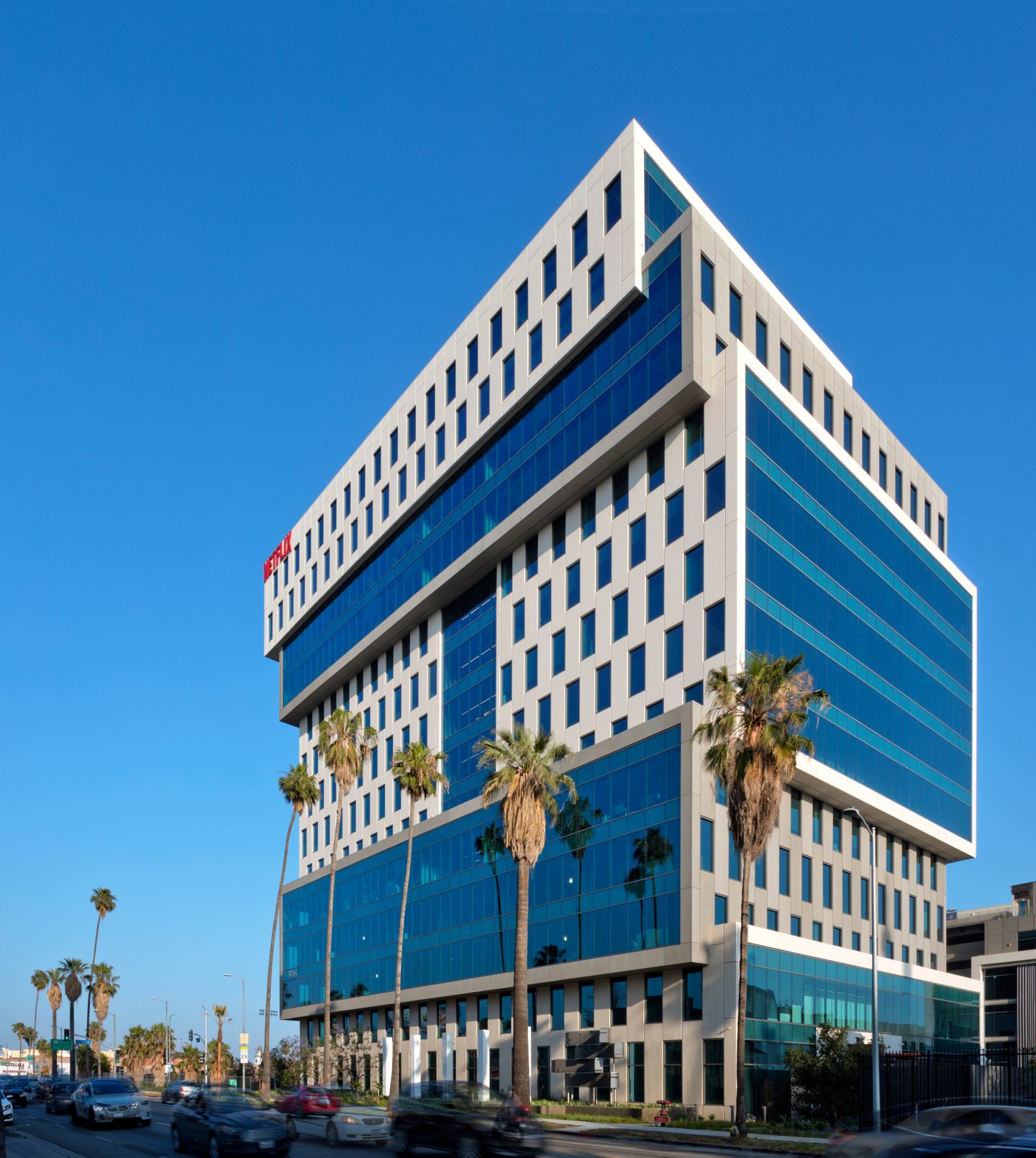
Netflix laid off around 1,000 people on Wednesday, about 6% of its global workforce. Ted Sarandos and Greg Peters sent the note to staff themselves, and the line everybody is quoting back at them is that the business “is strong and growing” and remains on track to hit its full-year forecast. The cuts, they said, are about being “disciplined about where we prioritize our people and resources”.
The framing varies by outlet. The Hollywood Reporter and Deadline both call it the largest round since 2022; Variety calls it the biggest in the company’s history. Both can be right — the 2022 rounds were smaller, and came in two goes.
The detail worth sitting with is where it landed. Per the co-CEOs’ own email, the majority of the cuts are in product, technology, legal and human resources. Not production. Not the content organisation, which is where you would look first if you thought a streamer in trouble starts by buying fewer things.
One senior content casualty did go: Doug Belgrad, VP of film, out after two years. He joined in 2024 as one of Dan Lin’s first hires, having run Columbia Pictures and then Sony’s motion picture group before that. Netflix declined to comment on his exit.
Why a technical artist should care about a product-and-tech cut
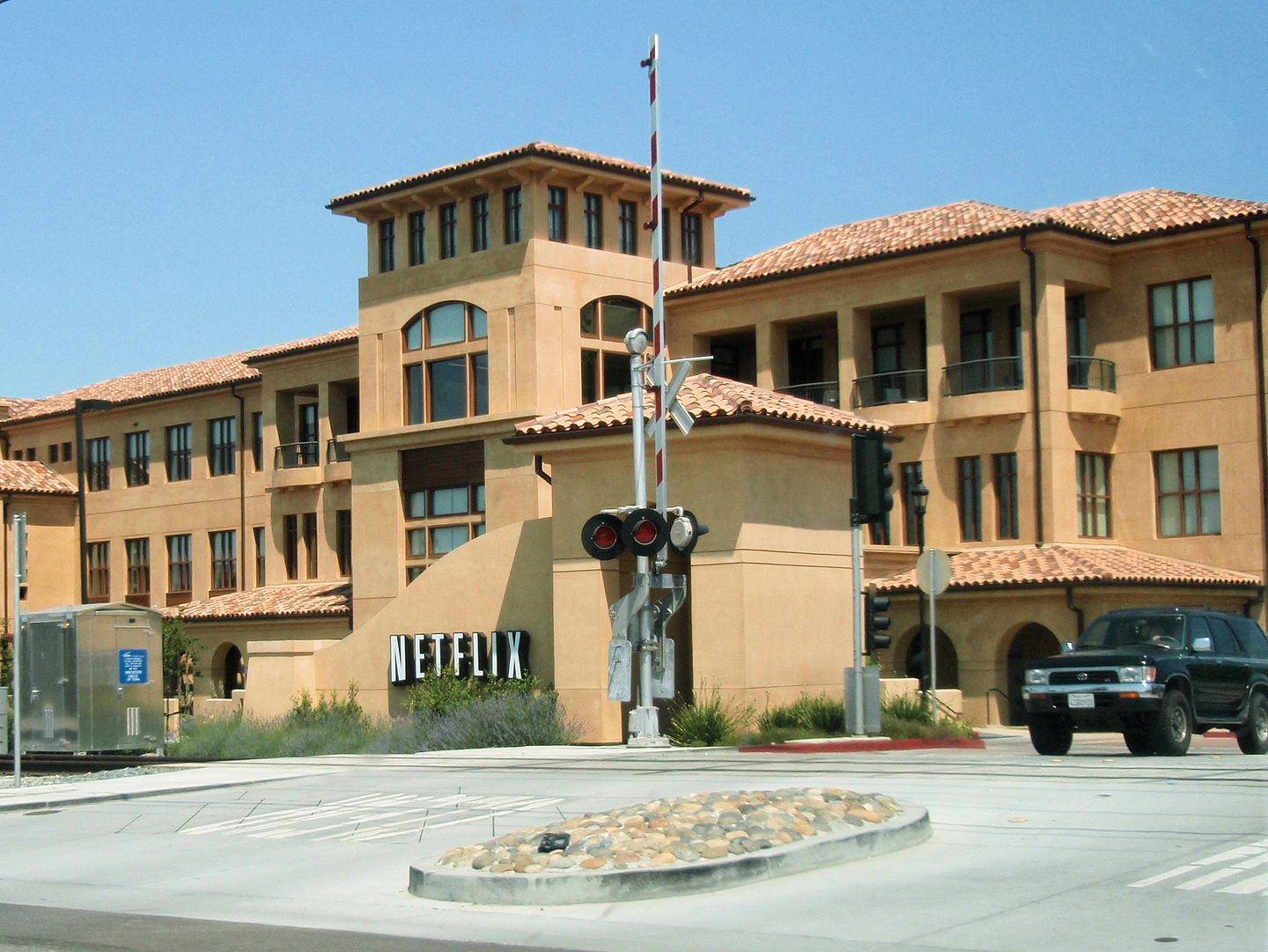
Because of what Netflix’s technology organisation actually produced.
If you have delivered a shot, a master, or a mix to Netflix in the last ten years, you have conformed to their specifications. Not loosely — Netflix’s delivery requirements are the most prescriptive in the business, and they are published rather than negotiated. IMF packaging. Approved camera lists. Colour and HDR requirements written down to the metadata field. Photon, their IMF validation tool, is open source, which means half the post houses in the world are checking their own packages with Netflix’s code before they ship them anywhere.
Then there is VMAF. Netflix co-invented it to replace PSNR in their own encoding decisions, because PSNR correlates poorly with what a person actually sees, and then open-sourced it. It is now in FFmpeg and in most encoding toolchains that care about quality, used daily by people who have never delivered a frame to Netflix. Per-title encoding came out of the same group, and then per-shot after it — the idea that a bitrate ladder should be built from the content in front of it rather than from a table.
That is a lot of industry infrastructure to have come out of one company’s “product and technology” bucket.
What nobody has said
Which teams inside that bucket. And the bucket is enormous.
Netflix product and tech covers the recommendation system, the ads stack, the games effort, the player on every device ever manufactured, the live infrastructure, and the encoding and delivery pipeline. A thousand people, 6%, weighted toward product and tech, tells you nothing about whether the encoding group lost two people or forty. I have not seen a single report break it down, and I would not trust one that claimed to this afternoon.
So treat the paragraphs above as a description of what is in that building, rather than a claim about what came out of it. The honest version is that the risk exists and the shape of it is unknown.
What I would watch for, over months rather than weeks: how fast partner engineering answers a delivery question, whether the open-source repositories keep getting commits, and whether the specification documents get their usual revisions. Those are the observable symptoms, and they are slow.
The pattern
Netflix has done this before in a smaller way, and this blog has covered it. In August the company closed Night School Studio, the maker of Oxenfree, six weeks after its last release — a team acquired during the games expansion, cut when the expansion stopped being the priority. The same logic is visible here, one order of magnitude up: the things built during a growth phase get reassessed when growth slows, and the group holding them has no show to point at.
A content team has a title and a release date. It is legible to everyone, including whoever is drawing up the list. An encoding team’s best year is one where nobody noticed anything, because the picture held up on a bad connection and the colour arrived the way the DP intended. That work is invisible by design and, come a reorganisation, invisible work is the easiest to under-count.
Meanwhile the commissioning goes on. The craft Netflix buys is as demanding as it has ever been — season two of their Avatar put Appa’s entire coat into CG after the first season did it partly practically, which is not a company economising on pictures. The shows are not the worry. The plumbing those shows travel down is maintained by the part of the company that just got smaller, and plumbing is not something you notice until the day it fails.