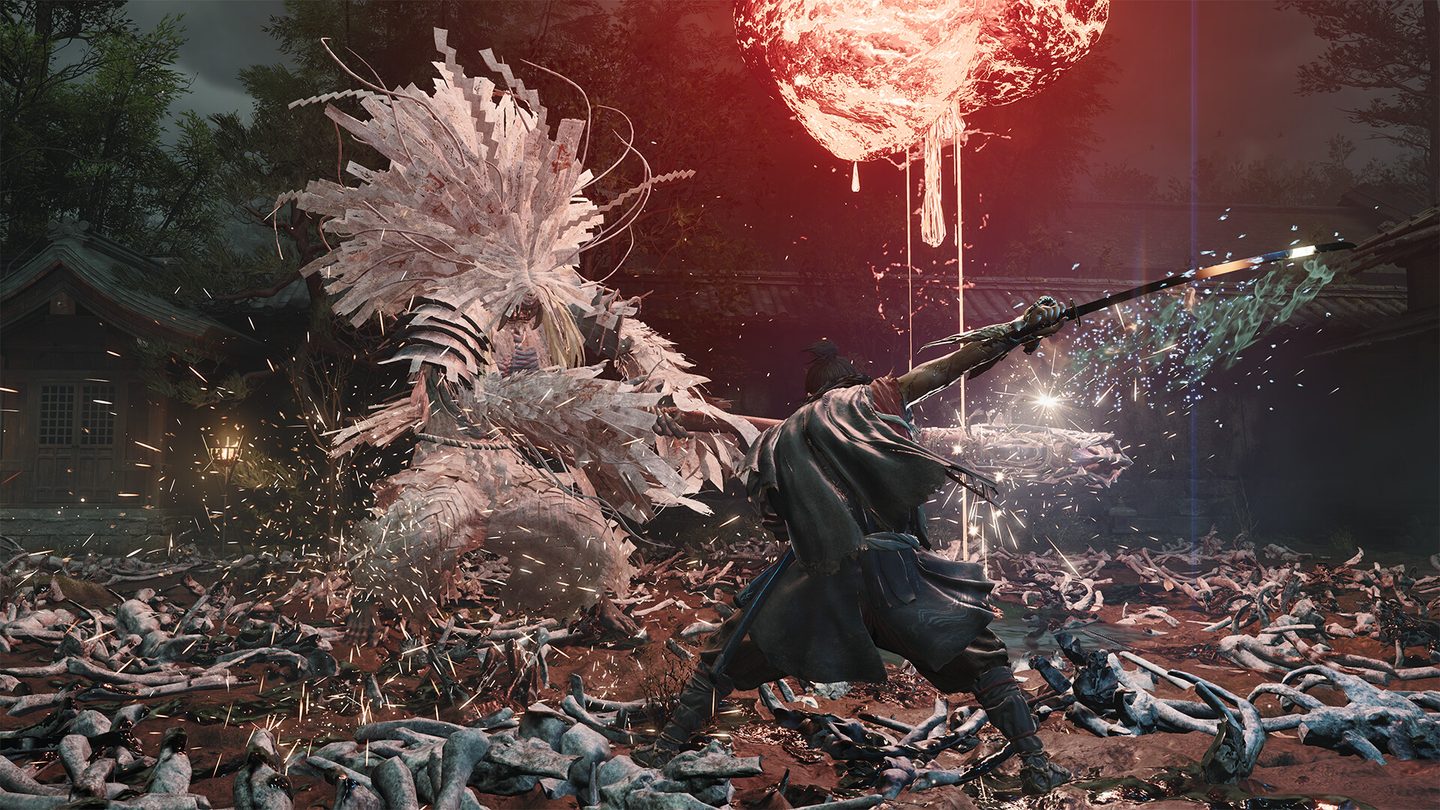
Capcom’s first new Onimusha in nearly two decades landed to a consensus most games never get. Across the twelve scored verdicts I could verify, the average is 8.5, and the range runs from 7 to 9.2 — a two-point spread on a ten-point scale. OpenCritic has it at 85 from sixty-three critics with 92 percent recommending.
A spread that tight usually means one thing: nobody is arguing about what the game was trying to do.
The combat is the reason for the number
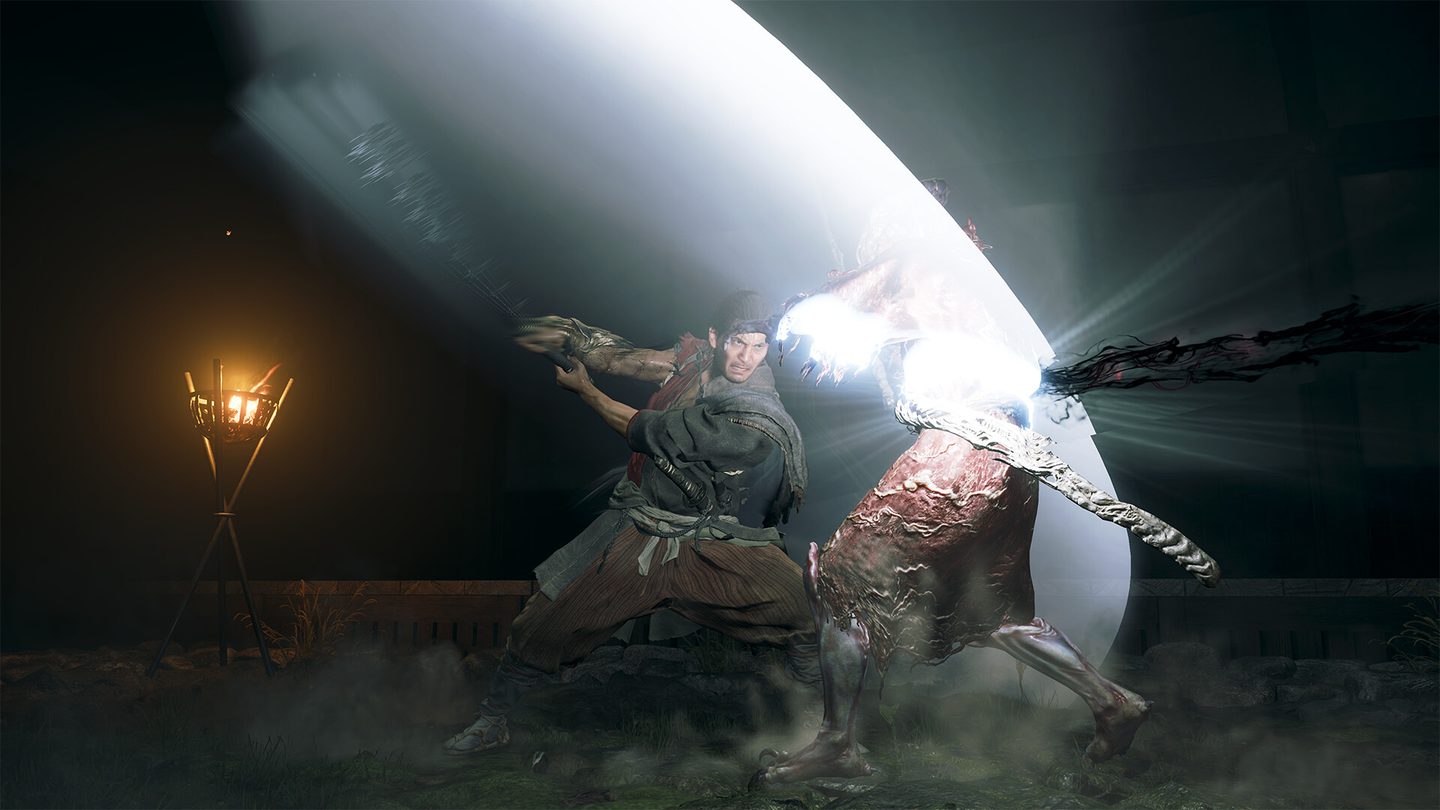
Every review lands on the same system. Parry a fraction of a second before an enemy connects and Musashi answers with an Issen — a single cut that ends the fight. Around it sits a loop of deflects that drain enemy stamina, parries that build a burning meter on the blade, and a critical hit at the end of the chain.
That is a design with one demand: the player has to read the wind-up. Which means every enemy attack needs a silhouette that resolves at speed, an anticipation frame that is legible at whatever distance the camera sits, and a follow-through that tells you whether the punish window is open. Animation carries the entire combat system, and the scores suggest it holds.
Where the complaint is, and why it is interesting
The criticism that recurs is the look of Kyoto. Perpetually overcast, muddy, short on the glamour a game set in the old capital promises. None of the famous temples are standing.
Here is the part worth sitting with as an artist: that is written into the premise. The Genma have wrecked the city, so the destruction is the reason the palette is narrow and the reason the landmarks are rubble.
I have no way of knowing which came first — the story that justified the restricted palette, or the palette that needed a story. Both happen, and from the outside they look identical. What is observable is that the constraint got noticed by reviewers anyway. A narrative reason for a limited environment is still a limited environment, and players feel the second one whatever the first one says.
Capcom bought something real with it. Fewer standing structures means fewer hero assets, fewer unique interiors, and a fog-and-overcast lighting setup that covers a multitude of transitions. Set against that, the same reviewers call this the best-looking RE Engine game Capcom has made on facial animation, art direction and cutscenes. That is where the money went instead.
The number, and what it is not
8.5, from twelve scores between 7 and 9.2.
That is an arithmetic mean of what was published, rounded to the nearest half point. It is not a verdict on whether you will like it, and it is worth saying that a couple of the outlets here reviewed the Switch 2 version, which is a different technical proposition to the PS5 one even when the design is identical.
If you want the argument for the game in one line, it is the one Creative Bloq made: it gets the important thing right. The important thing being the sword.
Scores collected on 31 August 2026 from OpenCritic and the outlets’ own pages, converted to a 1-10 scale and averaged. The aggregate figures at the top are OpenCritic’s own.