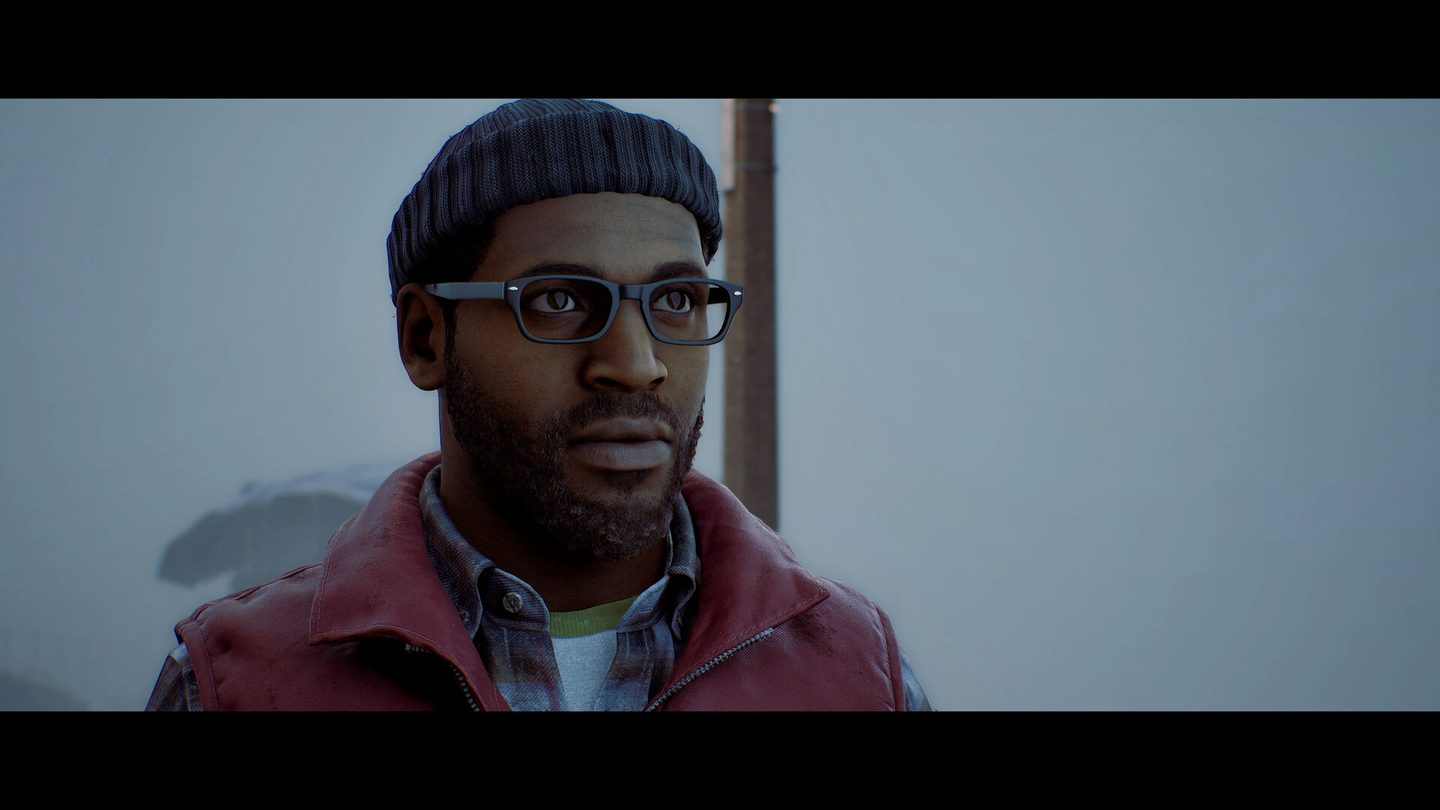
Konami let the Townfall verdicts out early. The radar had the embargo pencilled for the 22nd and the reviews were up before that, which is how these things go when a publisher likes what it is reading. Across the eleven scored verdicts I could verify on the morning of 21 September, the average is 8.0, and the scores run from 6 to 10.
The aggregators counted far more than I did — OpenCritic is showing 82 from 37 critics, Metacritic 81. Those numbers and mine agree, which is reassuring and also slightly boring. The part worth twenty minutes is what all these reviews say in the same breath.
They all wrote the same sentence about the air
GamesRadar called the atmosphere impeccably crafted. DualShockers went further and put it among the best in the entire franchise. PC Gamer’s verdict was that Screen Burn understands what makes a Silent Hill game. Collider, stopping short of the second and third games, still called it the strongest attempt yet to stand next to them. GameSpot filed it as the series completing its comeback.
Eleven verdicts, and the ones at 7 are not disputing any of that. Cultura Geek’s 6 is the lowest number I found and it is not a review that says the game looks or sounds wrong.
So St Amelia — a Scottish town, 1996, which is a setting nobody in this series had used — landed. That is an environment team and an audio team going eleven for eleven in a week when the scores otherwise spread across four points.
The four points are about stealth
VGC put it in the headline: outstanding horror, marred by infuriating stealth. It is the recurring complaint, and it is doing most of the work in the gap between the 9s and the 7s. Townfall leans on avoidance and puzzles rather than fighting, and how much of the game is spent hiding is the thing reviewers weighed differently.
That is a systems argument sitting on top of art that everyone likes, and this blog watched the same shape play out when Control Resonant’s verdicts landed on Friday and its environments drew near-unanimous praise while the rest of it split eight ways. Two games, three days apart, both of them with the art department well clear of the argument.
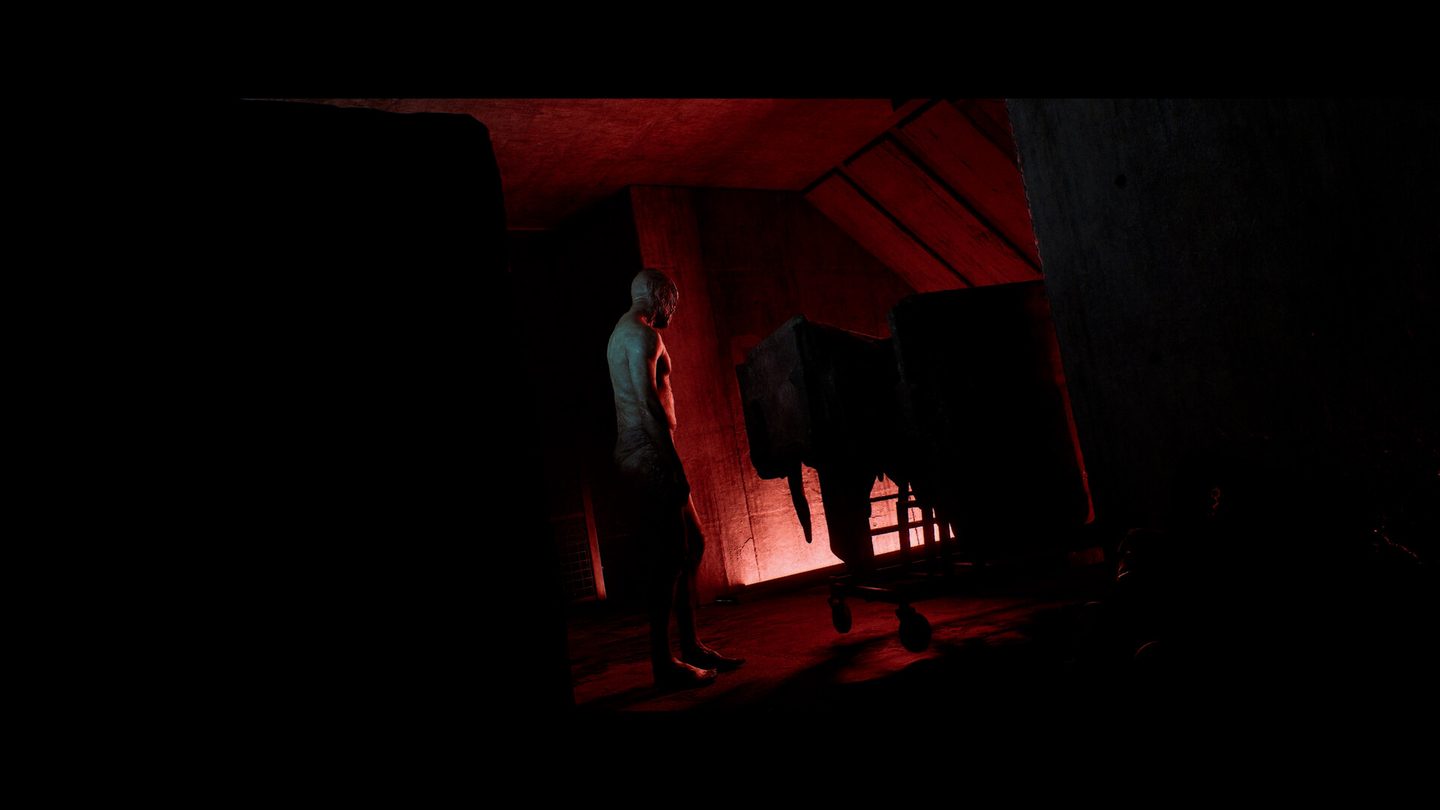
Fog and sightlines want opposite things
Here is the bit I cannot stop chewing on, and I want to be clear that it is a reading rather than something a reviewer said.
Fog has done two jobs in this series since 1999. It sets the mood, and it hides how little of the town the hardware is drawing. That second job is the famous one. When Townfall showed its first-person footage in August I wondered what the fog would be covering this time, because a camera at eye height changes the maths — you lose the third-person crutch where the player reads threats from outside their own body, and everything the player knows now has to arrive through a single head-mounted lens.
Stealth needs the player to hold a model of who can see them. Where the guard is facing, how far the cone reaches, which wall breaks the line. You build that model by looking, and you trust it because looking told you the truth. Volumetric fog is the single best tool in the kit for denying exactly that. It is doing its job beautifully when you cannot tell whether the shape at the end of the street has noticed you.
Which means the thing earning the unanimous praise and the thing drawing the word “infuriating” may well be the same system, tuned once, pulling in two directions. You can tune around it — occlusion that thins near a patrol, audio that carries what the eye cannot, a tell that reads through haze. That work is fiddly and it is invisible when it succeeds.
I have no way to know whether Screen Burn spent that time or spent it somewhere else. But when a horror game gets praised for how little you can see and criticised for a mechanic that depends on seeing, the two complaints are probably neighbours.
The number
8.0, the arithmetic mean of eleven published scores between 6 and 10, converted to a 1-10 scale and rounded to the nearest half point.
Eleven against the 37 the aggregators counted is a thin sample and a sample taken hours after the gates opened, so read it as an early figure. It happens to land within a fifth of a point of OpenCritic’s, which suggests I have not picked a weird eleven.
The four-point range is narrower than the six points that Control Resonant opened up last week, and it is telling you something simpler: most people liked this, a few found the hiding tedious, and none of them thought the town was the problem. If you bounced off the stealth in the last horror game you played, that is the axis to go reading about before Wednesday.
Scores collected on 21 September 2026 from published reviews and roundups, converted to a 1-10 scale and averaged. Aggregate figures are the aggregators’ own. SILENT HILL: Townfall is out this week on PS5 and PC — Steam’s page lists 23 September, while several outlets and Wikipedia give the 24th.