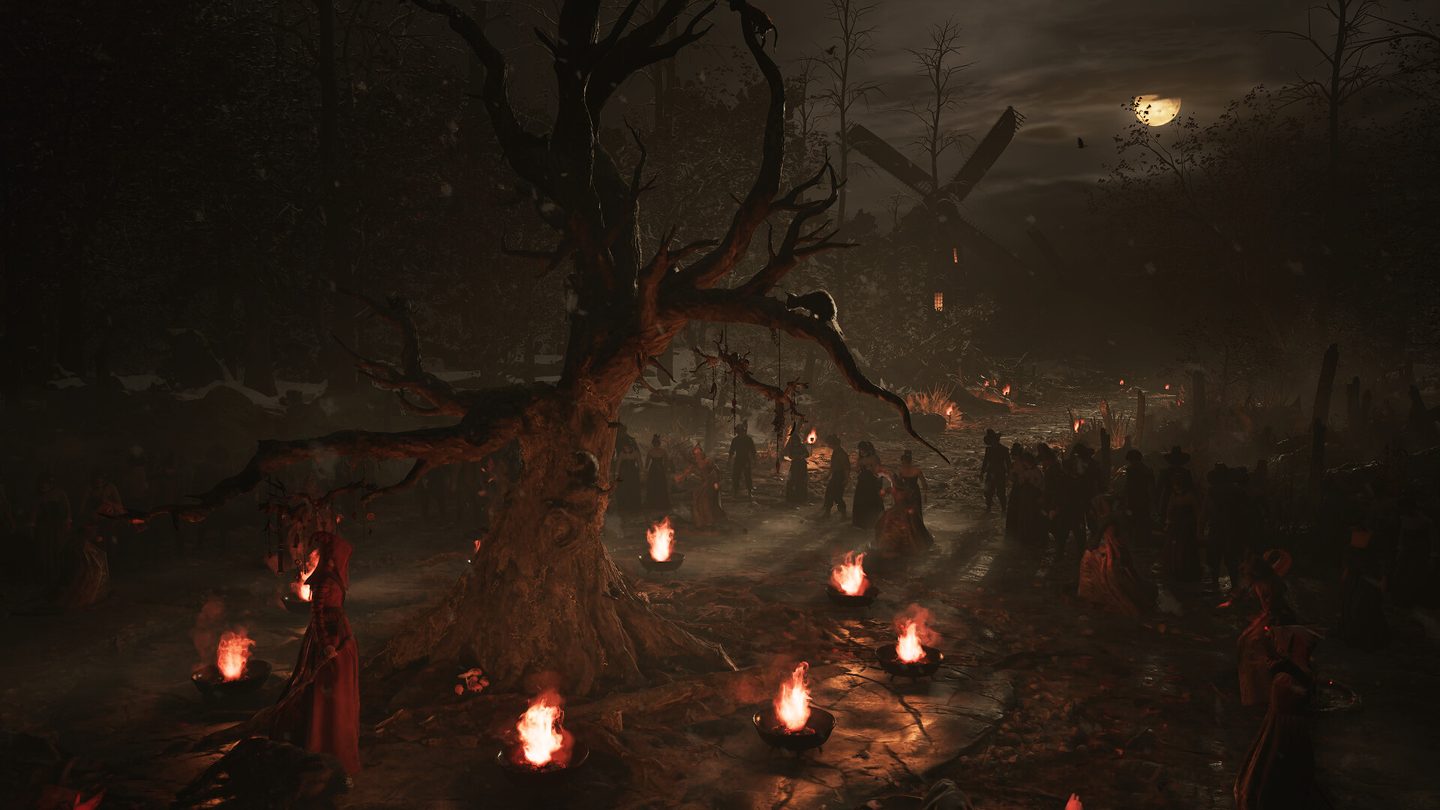
The early access page for 1666: Amsterdam sells you the first piece of the campaign. Roughly fifteen hours, thirty dollars, PC only for now, live since 25 August. Everything after that first piece is promised rather than present.
That is a production shape before it is a marketing one, and it is the most honest thing on the page.
Fifty people, once
Patrice Désilets joined THQ Montreal as creative director in June 2011 and spent about two years on 1666 with a team that got close to fifty. THQ went bankrupt in December 2012. The Montreal studio was auctioned to Ubisoft the following January, Ubisoft let him go, and Ubisoft kept the game. He fought for it and won it back in a 2016 settlement, by which point he had already founded Panache Digital Games and was building Ancestors: The Humankind Odyssey, which shipped in 2019.
Thirteen years between the cancellation and the early access build. I could not confirm how many people are at Panache today, and the studio does not publish the number, so take the fifty as a fact about the version that died and not as a comparison.
What Ancestors told you about the pipeline
Ancestors is the useful document here, because a studio’s previous game is a fairly reliable description of what its pipeline can afford.
That game gave you an enormous stretch of Miocene Africa and almost no authored content inside it. No quest markers, no tutorial worth the name, barely any words. Reviewers found this maddening. From a production seat it reads as a set of decisions about cost: traversal, climbing, perception and the whole learning loop are systems, and systems are the thing a small team can build once and run across ten square kilometres. Bespoke content does not work that way. Every scripted beat, every unique interior, every line of performed dialogue is paid for a second time each time you want another one.
1666: Amsterdam is a narrative action-adventure set in a city. It wants the expensive kind of content.
Cities are the worst thing you can ask a small team to build
Historic Amsterdam is, on paper, kind to a modular kit. Canal houses are narrow, tall, repetitive, and sit on a grid of water — you can get a long way with a handful of façade widths, a brick set and some gable variants. Any environment artist would take that brief over a modern city.
The trouble starts one step in. Gables are what people look at, so the moment your gable set repeats, the street reads as tiled. Water needs to interact with the geometry rather than sit under it. Crowds want somewhere to walk to. Interiors are the killer: a canal house you can enter is a bespoke set, lit separately, populated separately, and the fifty-person version of this game was almost certainly designed assuming you could enter a lot of them.
Nobody has published what survived from the THQ build, and I would not assume much did — engines and toolchains moved on twice over in that gap. What survives across a rebuild like that is design intent, and design intent is exactly the thing that does not shrink to fit a smaller team.
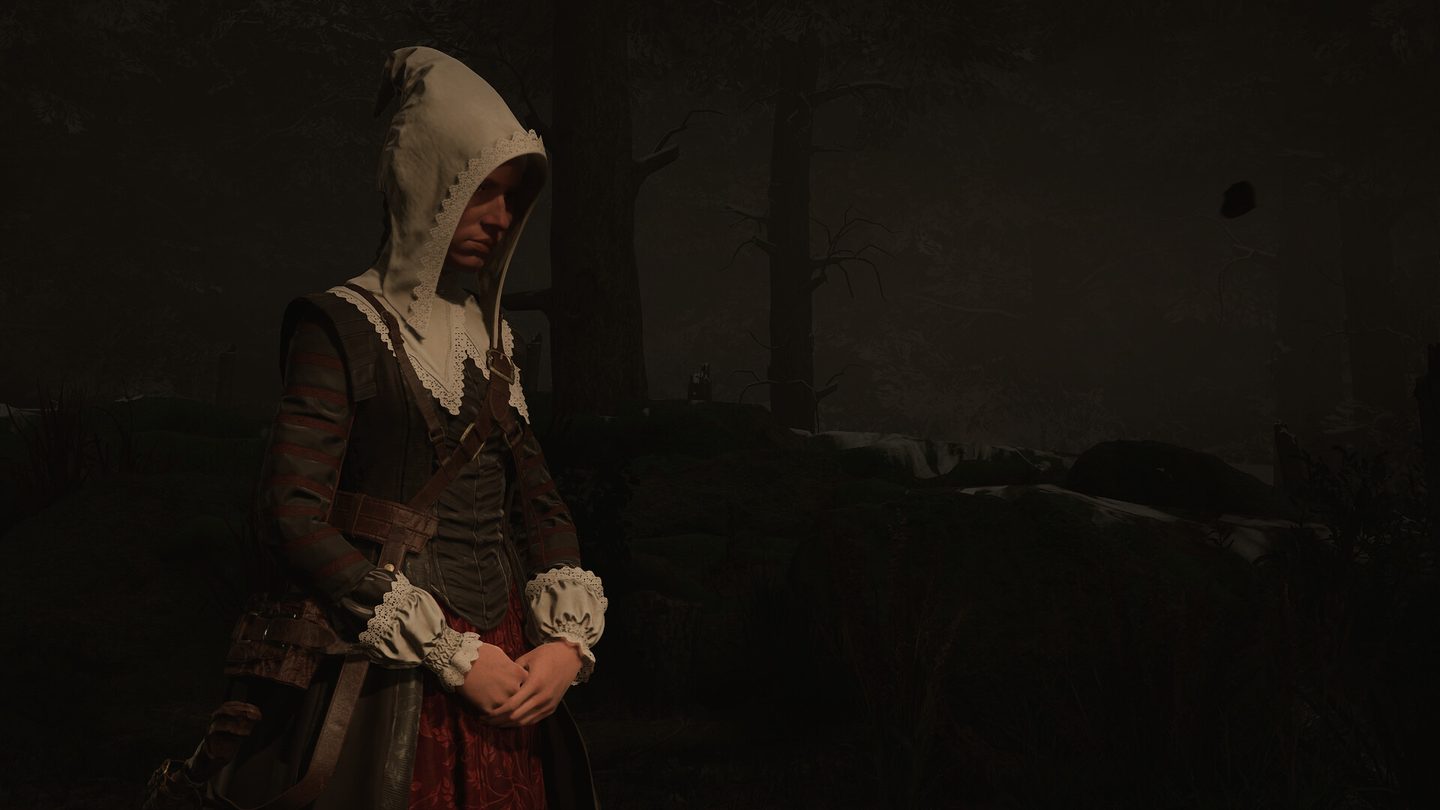
“Buggy and bewildering, but real ambition”
Eurogamer’s early access piece, up on 7 September, lands on that phrasing, and it describes the trade precisely. Ambition in an early access review usually means a reviewer noticing a bigger game’s architecture inside a smaller game’s budget. Bugs mean the QA surface of a systemic city being larger than the number of hours available to walk it.
Selling the campaign in slices is the sane answer to both. Ship one chunk, fund the next from it, keep the studio alive between milestones. That is a financing structure as much as a release plan, and the alternative is what happened to Bit Reactor, who furloughed most of their staff with the game not out.
It is also the mirror of what large publishers do when the arithmetic stops working. Sega spent years on an internal plan worth roughly ¥100bn and wrote the whole thing off rather than ship a slice of it. Désilets had that decision made for him in 2013, and the second time round he owned the thing outright, which is the only reason there is a build to buy at all.
And then, on Sunday, he said he’d make Ancestors 2
The same week the early access reviews went up, Désilets told the press he intends to make a sequel to Ancestors: The Humankind Odyssey.
I have watched enough studios say that to know it is usually a statement about morale rather than a schedule. But it sits oddly next to a campaign with one slice on the shelf and no published length for the rest, and the honest question for anyone considering the thirty dollars is whether that rest is funded or hoped for.
The early access agreement does not answer that. They rarely do.
Early access date, price and content scope from the game’s Steam listing. Career and legal timeline compiled from published reporting on the THQ Montreal sale and the 2016 settlement. Panache’s current headcount is unpublished and is not stated here. Ancestors sequel comment as reported on 7 September 2026.