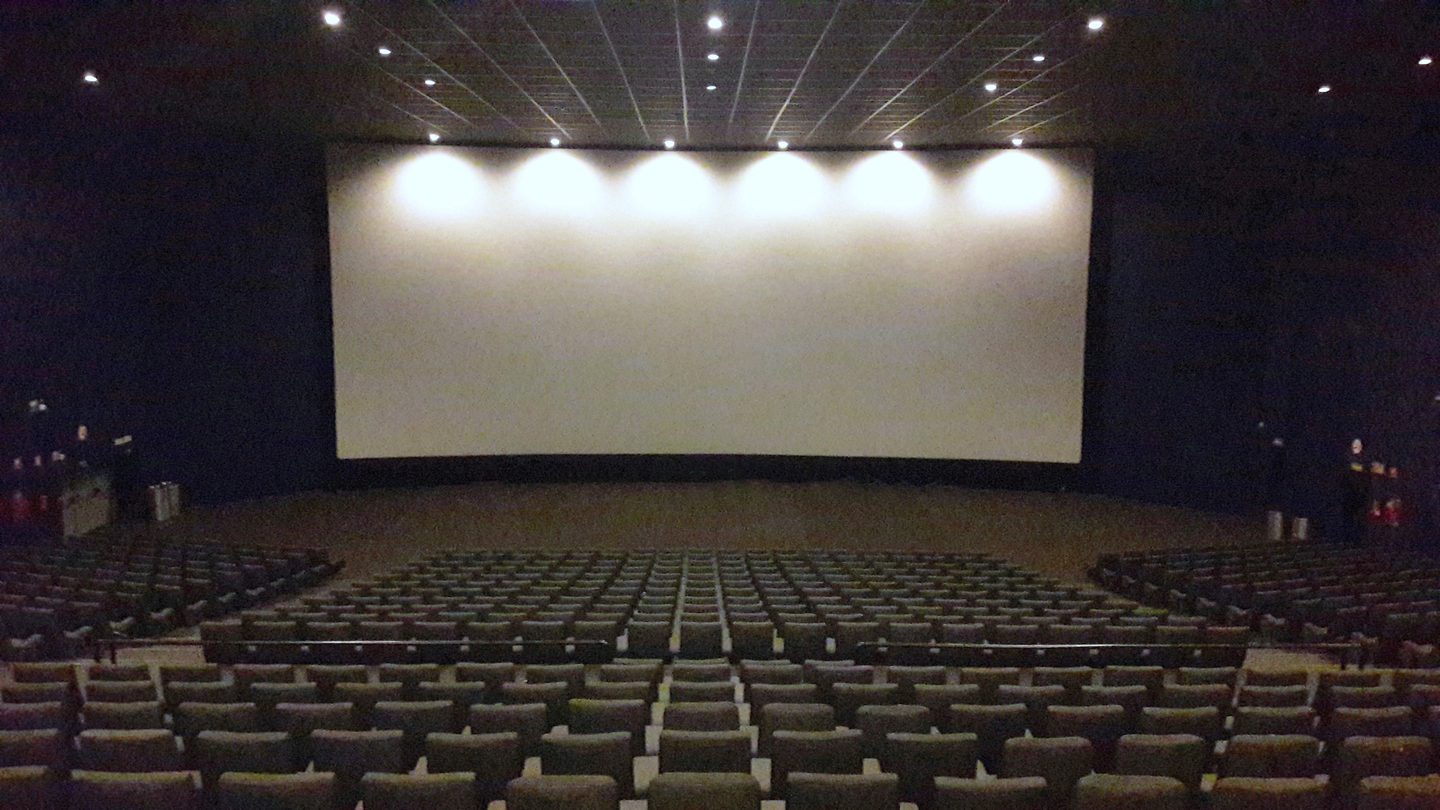
Forty-five feet of screen. Laser projection, immersive audio, and fourteen foot-lamberts of light on a 2D presentation. That is the shopping list a cinema has to satisfy to call itself Infinity Vision, the premium-format certification Disney announced at CinemaCon on 16 April 2026.
Read that list as a projectionist and one entry stands out for being unremarkable. Fourteen foot-lamberts — about 48 candela per square metre — is the reference white that digital cinema has been specified to deliver since the DCI standard was written. It is the number every compliant screen in the building was already supposed to hit, and a good many of them miss it because xenon lamps dim as they age and nobody re-measures.
The 3D figure is the one with teeth. Six foot-lamberts through glasses is a genuinely high bar; 3D presentations have run at half that and worse for years, which is most of why the format earned its reputation for looking like someone drew the curtains. You do not reach six with a lamp. You reach it with laser illumination, which is the other thing on the list, and the two requirements are really one requirement stated twice.
Why Disney needed a certification at all
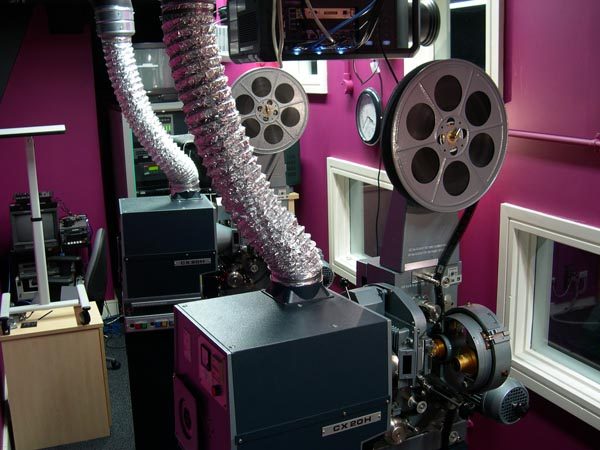
Because Dune: Part Three has IMAX.
Both films open on 18 December 2026, and Dune: Part Three has secured IMAX’s domestic exclusivity for the opening window, which leaves Avengers: Doomsday off IMAX screens in the United States for at least its first three weeks. Internationally Doomsday does play IMAX in its opening weekend. Domestically, Disney is pointing audiences at Infinity Vision auditoriums instead — 75 certified in the US and 300 internationally as of April 2026.
As a scheduling problem that is ordinary. Two tentpoles, one set of premium screens, somebody loses. What makes it interesting is which part of IMAX a certification programme can substitute for and which part it cannot.
The frame is the part you cannot certify
A premium-format badge is a promise about the room: the screen is this wide, the projector is this bright, the speakers are arranged like this. All of that happens after the film is finished. Every one of those requirements could be met or missed without a single person in production knowing about it.
IMAX’s expanded aspect ratio is a different kind of thing. A taller frame is a decision made while the camera is rolling — what goes in the top and bottom of the image, where the horizon sits, what the operator is protecting for. Then it is a second finishing pass, a second set of deliverables, a second grade. The Russo brothers shot Infinity War and Endgame entirely on IMAX-certified digital cameras, the first Hollywood features to do so, and the reason to go to that trouble was the expanded ratio at the other end. Whether Doomsday carries that same camera package and an expanded-ratio version is not something I could confirm from the published material, so treat it as open.
But if it does, that version has nowhere in the United States to play for three weeks. Infinity Vision cannot hand the frame back. A 45-foot screen showing a scope-ratio DCP is a 45-foot screen showing a scope-ratio DCP, however bright the laser behind it.
This is the same shape of problem as an image arriving somewhere it was not graded for. A spec that stops at foot-lamberts is describing one link in a long chain, and the blog has already made the argument that a picture’s appearance is decided by the space it is described in rather than by the light alone — which is why CG can be lit correctly and still sit on top of the plate. Brightness is necessary. It settles very little on its own.
The pilot was a re-release that just broke the record
The programme launched on the September 2026 Endgame Encore reissue, and that reissue has since done something worth noting: after two more weekends of play it has added $126 million — $36.2 million domestic, $89.8 million overseas — pushing Endgame’s lifetime global gross to $2.92 billion and taking the unadjusted all-time record back from Avatar, which sits at the same figure. The MCU’s running total since Iron Man in 2008 is around $35 billion.
The reissue carried new material: a tweaked ending and three new mid- and post-credits scenes pointing at Doomsday, which means a seven-year-old film went back through a VFX pipeline for new shots and then out to a premium-format deliverable. That is a real finishing job dressed as a victory lap.
Around it, the exhibition side is spending. Cinema United puts refurbishment at $2.7 billion across the past two years, and Doomsday presales are reported near $60 million. Who controls access to the best screens has been the live question in exhibition all year, in the same way that a merger settlement put a number on how many films reach a cinema at all. A studio inventing its own certification is what that question looks like when a studio loses a round of it.
Fourteen foot-lamberts is the floor, not the ceiling, and the gap between those two is where the argument about premium formats has always lived.
Infinity Vision’s certification requirements, the CinemaCon announcement date and the certified-screen counts come from the trade coverage of Disney’s launch; Disney’s own newsroom page was unreachable from here, so the figures are as reported rather than as published by Disney. Box office figures, the IMAX window, the refurbishment total and the presales figure are TheWrap’s, dated 4 October 2026. The DCI reference-white figure is the published digital cinema standard. Doomsday’s camera package and aspect ratio remain unconfirmed.