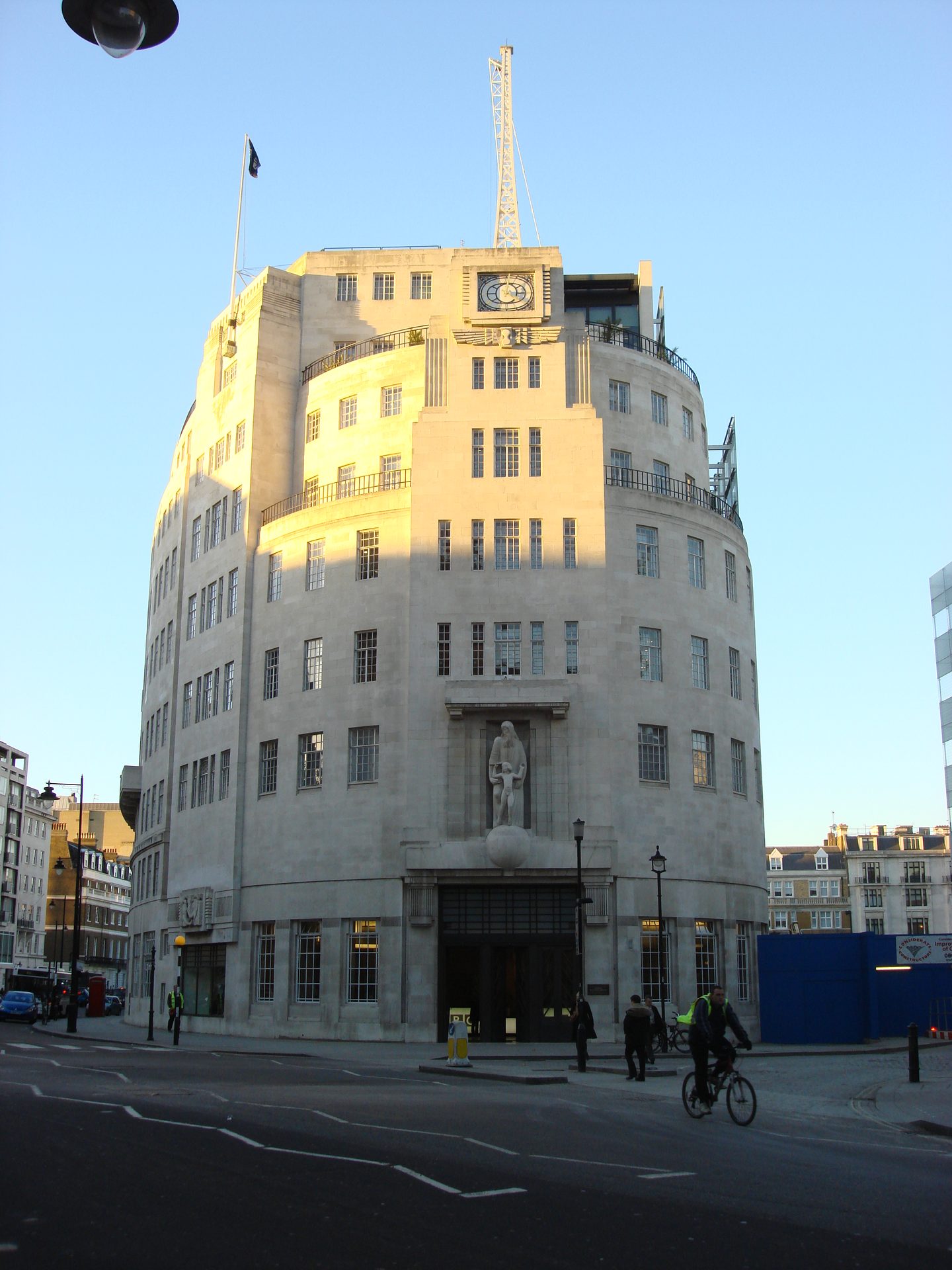
Somebody sent Matt Brittin a fifty-minute episode of Doctor Who that no human had shot, and he watched the whole thing. Speaking at the Royal Television Society’s London Convention at Kings Place today, the BBC’s director general said it was “pretty good” — then added the sentence that every executive adds, which is that it is “not going to replace humans.”
Brittin ran Google’s business across Europe, the Middle East and Africa before he took the BBC job. That is worth knowing before you weigh the two words, because it tells you what “pretty good” was measured against. An advertising and platform career trains you to assess a thing at the speed an audience consumes it. It does not train you to look at a corridor in shot 40 and notice it is not the corridor from shot 12.
What fifty minutes does that a clip does not
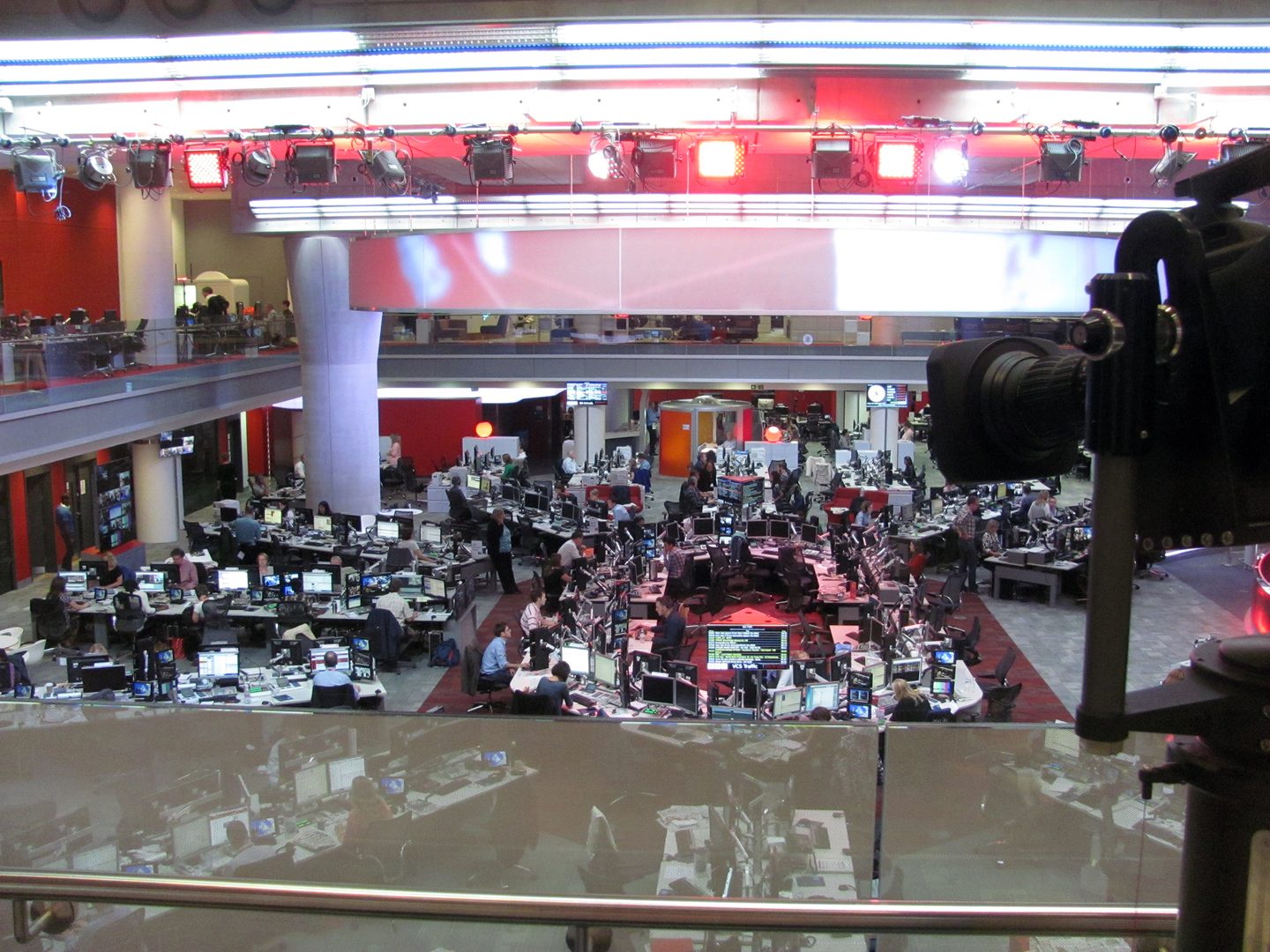
The interesting number here is the runtime. Generative video crossed the single-shot threshold a while ago — a ten-second clip with good light, convincing depth of field and hands that stay attached is not hard to produce now, and the people who still say otherwise have not looked recently. I would not have said that eighteen months ago.
Fifty minutes is a different problem, and it is the one nobody has solved.
Drama is a continuity exercise. The same face, aged the same amount, lit by the same key, standing in a room whose dimensions do not drift, wearing a jacket whose buttons do not migrate, holding a prop that stays the same prop. Every one of those is an accounting problem across hundreds of cuts, and it is the overwhelming majority of the labour in any production — practical or digital. When DNEG published its breakdown for For All Mankind, building Mars was faster than aging it: 338 shots, and the expensive part was making a settlement look like the same settlement, weathered by a consistent number of years, across a season.
Generated video has no state. Each shot is sampled fresh, and the model’s idea of “that corridor” is a fuzzy average rather than a stored geometry. The errors accumulate. Over ten seconds you will not catch it. Over fifty minutes a viewer feels something is wrong long before they can name it, which is exactly the register drama operates in.
And there is a joke buried in the choice of show. Doctor Who is, of all British drama, the single most forgiving target you could pick. Sixty-odd years of wobbly sets, reused corridors, quarries standing in for alien worlds and budget constraints worn openly as style. Its visual language already tolerates the thing generated video does worst. Run the same experiment on Wolf Hall and the “pretty good” evaporates in the first candlelit two-shot.
The Hollywood-standard claim
Brittin’s other line was that everyone now has the ability to create content almost at the standard of a Hollywood studio. A shot at that standard, maybe. A production at that standard is a different noun, and the distance between them is the entire job — scheduling, continuity, revision, the note from the director that means forty shots change and all forty have to still match.
It is also worth checking that claim against what studios that use these tools actually do with them. Japan’s industry body surveyed its members this year and found 85.8% using generative AI, with visuals near the bottom of the task list and administration at the top. Near-universal adoption, landing on paperwork. That is the shape of the technology in working pipelines right now, and it is a long way from the press line.
Brittin has said separately that he would allow a programme made and presented by AI, within guardrails. The BBC has not commissioned one, and the word “guardrails” is doing heavy lifting until somebody writes them down.
He was not alone on the topic. Kelly Day, who runs Prime Video internationally, used the same convention to tell the industry to embrace AI — her framing was that it amplifies imagination rather than replacing it, and that ethical guardrails have to be the foundation rather than an afterthought. Two of the largest commissioners in the country, on the same stage, on the same day, both arriving at the word guardrails and neither defining it.
For anyone whose name goes in the crawl at the end of an episode, the tools are already in the building. The open question is whether “pretty good” ever becomes a standard a commissioner will put on air — because the gap between pretty good and broadcast is where the work lives, and it is measured in the parts of the job that an executive watching a screener has never had to see.