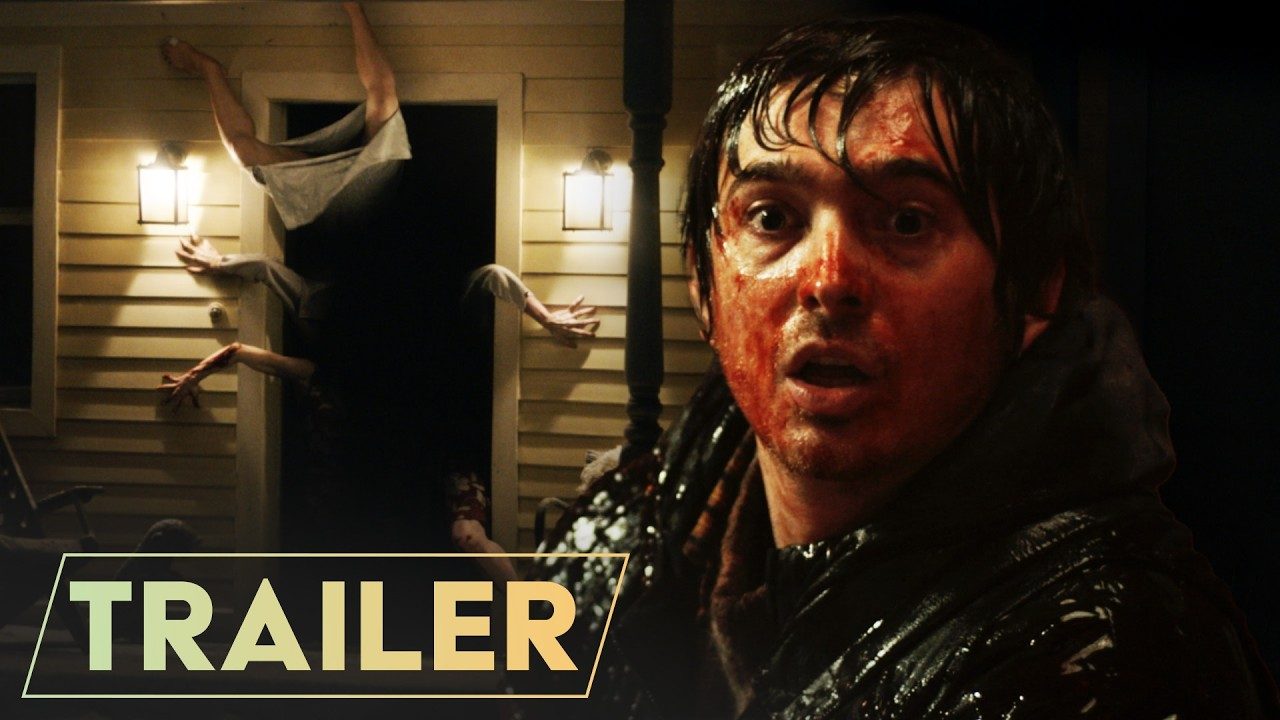
Seven outlets have put a number on Zach Cregger’s Resident Evil. Five of them landed on an eight — IGN, GameSpot, GamesRadar+, Collider, four stars from the Guardian. Two landed on a six: Empire and Time Out, three stars each. The mean is 7.43, which rounds to 7.5.
Rotten Tomatoes has the same film at 98%.
Both numbers are correct. They were also read off roughly the same pile of reviews, which is the part worth twenty minutes of anyone’s afternoon, because “highest-rated video game movie ever made” was the headline that went round on 16 September and it describes a counting method at least as much as it describes a film.
Three stars is a fresh tomato
The Tomatometer is a vote. Every review gets sorted into one of two bins, and the percentage is how many landed in the good one. The line sits at three stars out of five. So Empire’s three and IGN’s eight go into the same bin and come out weighing exactly the same.
Time Out’s own headline called the film a middling video-game adaptation. Fresh.
A binary measure will do that every time you ask it a question about degree. Ninety-odd critics who mostly liked something will produce a number in the nineties every time, whether they liked it a lot or liked it enough. The film was reported at 96% from 71 reviews on 16 September and around 98% a day later, overtaking Sonic the Hedgehog 3 for the franchise and the format both.
Metacritic, which does a weighted average of actual numbers, had it between 79 and 80 across the same two days — sources disagree on which, and it moved. That is a different claim about the same film: good, clearly the best thing anyone has done with this licence, not a masterpiece.
If the shape of that feels familiar, this blog went through it three weeks ago when two aggregators read the same eight reviews and landed nineteen points apart. The mechanism there was a tiny sample. Here it is a large one, measured with a yardstick that only has two marks on it.
One housekeeping note on my own arithmetic. Several roundups list Polygon at 91/100, and I left it out. I could not confirm Polygon published that number itself rather than it being assigned to unscored prose downstream, and the brief I hold myself to says an invented value is worse than a smaller sample. Seven verdicts, 6 to 8, mean 7.43.
What made the crossing
Cregger co-wrote with Shay Hatten, shot it for Constantin and Davis Films with PlayStation Productions attached, and Sony is putting it out — Fantastic Fest on 17 September, US theatres on the 18th. It runs an hour and thirty-five. It is rated R for strong bloody violence, language throughout and gore. Austin Abrams leads, with Zach Cherry, Kali Reis and Paul Walter Hauser.
No Leon. No Claire. There was a good deal of noise about that before anyone had seen it, and Cregger has since said in interviews that he underestimated how much people wanted those characters.
What interests me about adapting this particular series sits well away from the casting. Resident Evil is architecture. The Spencer mansion, the RPD, the village — you learn a floor plan, you find out which door needs which key, you walk the same corridor eleven times and the eleventh walk is the scary one because you have spent your ammunition and you know what is waiting at the far end. The horror is a property of the building and of your own control over the clock. You can stop. You can back away. You can stand in a save room and do nothing for five minutes.
A film takes the clock off you in the first frame. Ninety-five minutes, someone else’s pacing, no inventory. Everything that made the mansion frightening as a level design problem is gone before the studio logo has faded.
So adaptations reach for what does travel, which is monsters and tone, and the reviews suggest that is exactly what this one did — fast, funny, extremely wet. Gore is a practical-effects discipline as much as a digital one, and the craftier end of this genre still builds the thing and points a camera at it, in the same spirit as the real ring suit Lanterns had fabricated rather than rendered. A creature you can light on set arrives with a weight that a good creature TD then has to go and simulate.
Whether the film earns its 98% or its 7.5 depends entirely on which of those two questions you were asking. The audience score lands this weekend and will answer a third one.