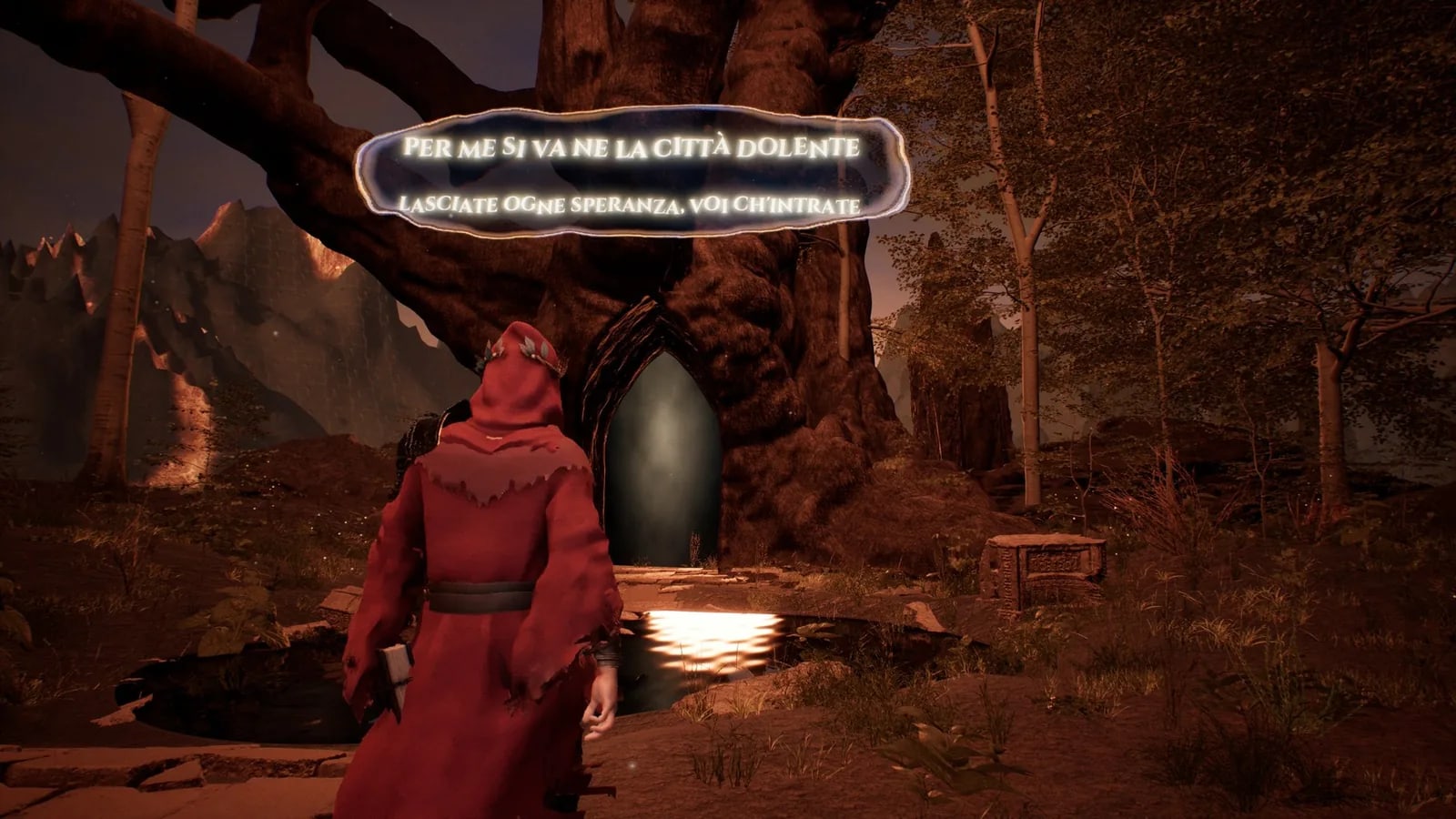
This one is mine, so that goes first: everything below is about a game I’m making, and you should read it as a developer talking about his own work.
It’s called The Divine Comedy. It’s a souls-like for PC, built in Unreal Engine 5.8, that follows Dante from the dark wood down into Hell, and the idea it hangs on fits in a sentence. Dante fights with a quill and his Book: every attack is a verse he writes, and the letters tear off the page and hit whatever is in front of him.
The first devlog went up on 2 November. It runs under two minutes, it’s built as a before and after, and here’s what’s in it.
Combat written in verse
Combos are lines of poetry. Spells cost Inspiration, and landed hits give it back, so the game pays you for staying in the fight and writing.
The names come from the poem too. The two spells on the HUD in the devlog are Fiamma antica and Veltro: the old flame Dante feels when he sees Beatrice again at the top of Purgatory, and the greyhound prophesied in the first canto of Inferno.
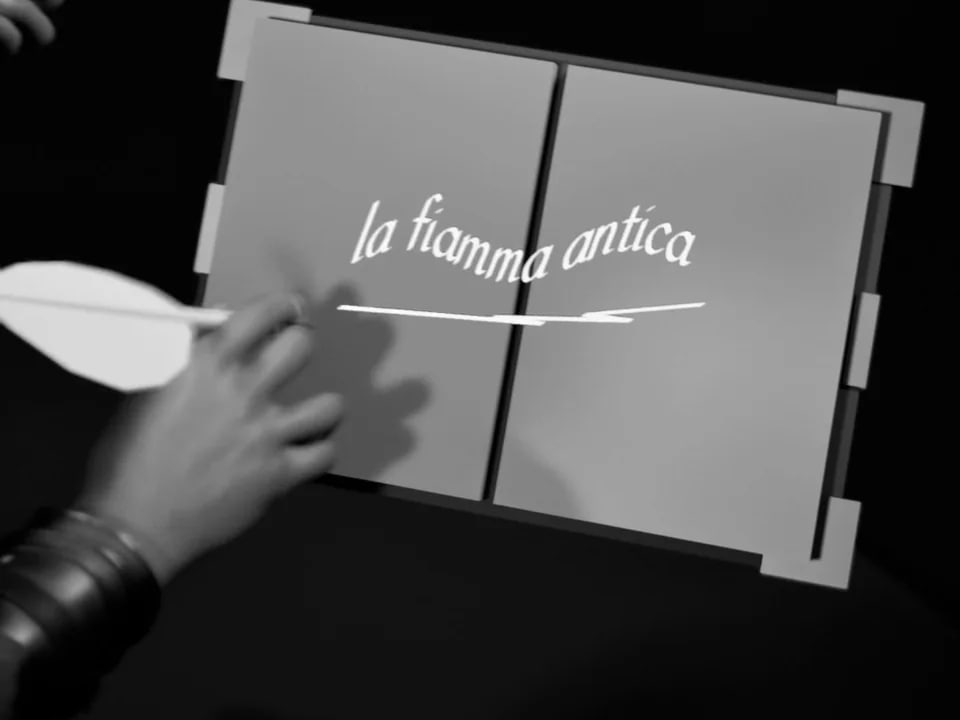
Around the verses sits a familiar core: deliberate fights, stamina, parries, and Souls you drop when you die and have to walk back for. That familiarity does a job. The new thing is what comes out of Dante’s hand, and someone learning a new kind of attack still knows how a dodge works.
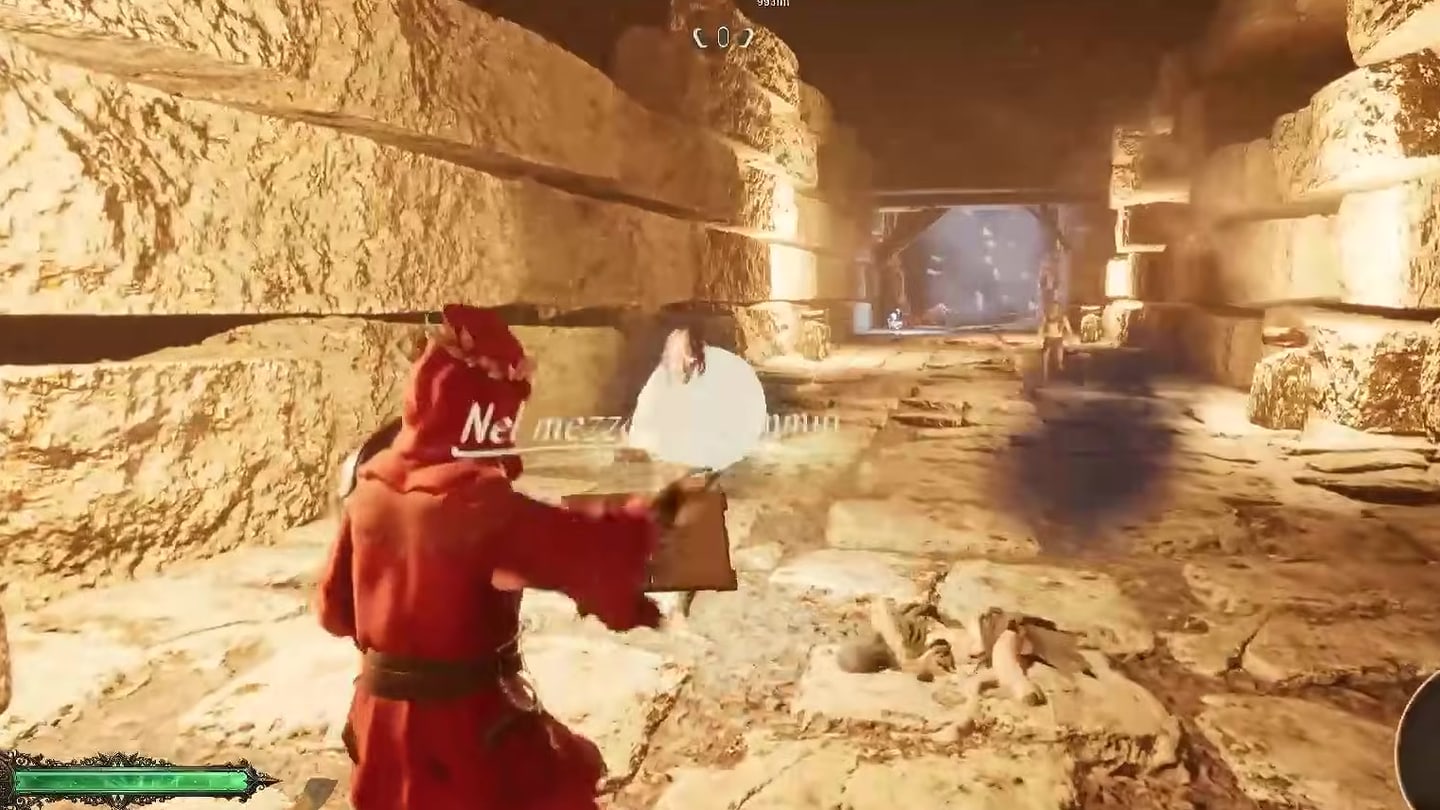
At one minute into the devlog you can see it in a sandstone corridor: Dante raises the Book and “Nel mezzo del cammin” peels off the page and flies down the corridor.
From grey mannequins to the gate
The devlog opens on the prototype. Dante is a red figure in a fog test, Virgil is a pale placeholder, the arena is a grey box, and Minos is a dark mannequin with a tail made of spheres. That stage exists to answer one question cheaply: is the fight any good, before anyone spends a week modelling a tail?
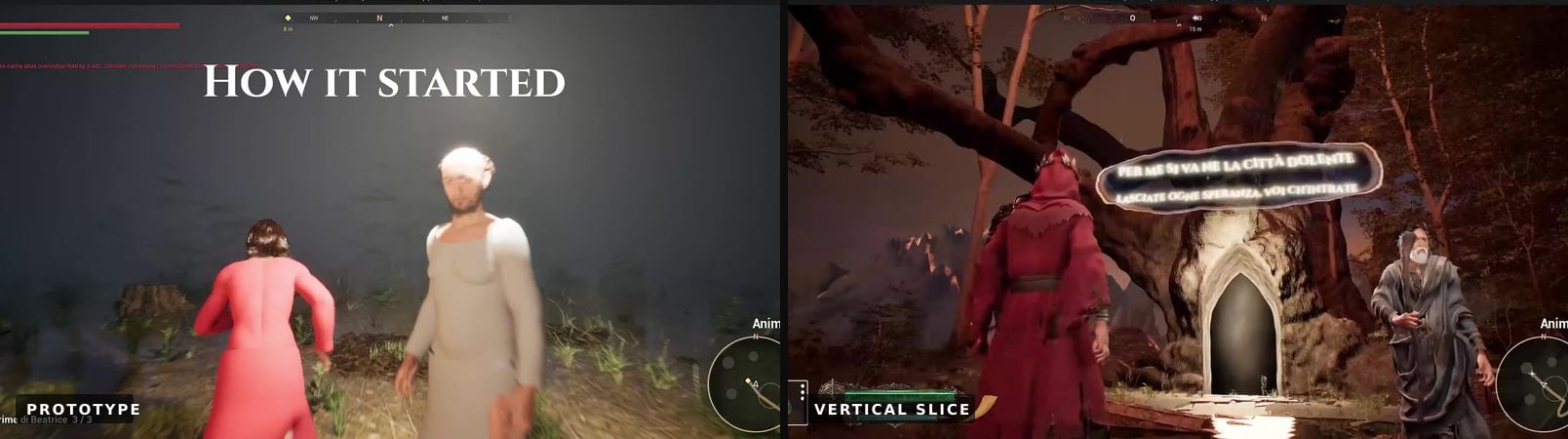
Then the vertical slice, which the main menu calls “la Selva Oscura e il Giudice”: the dark wood and the judge. The wood is cold and dark, the fog eats the distance, and you get through it by not being seen. One of Dante’s lines in the devlog has him leave the path and climb through the brambles before something spots him. Virgil comes out of the fog as the beasts close in.
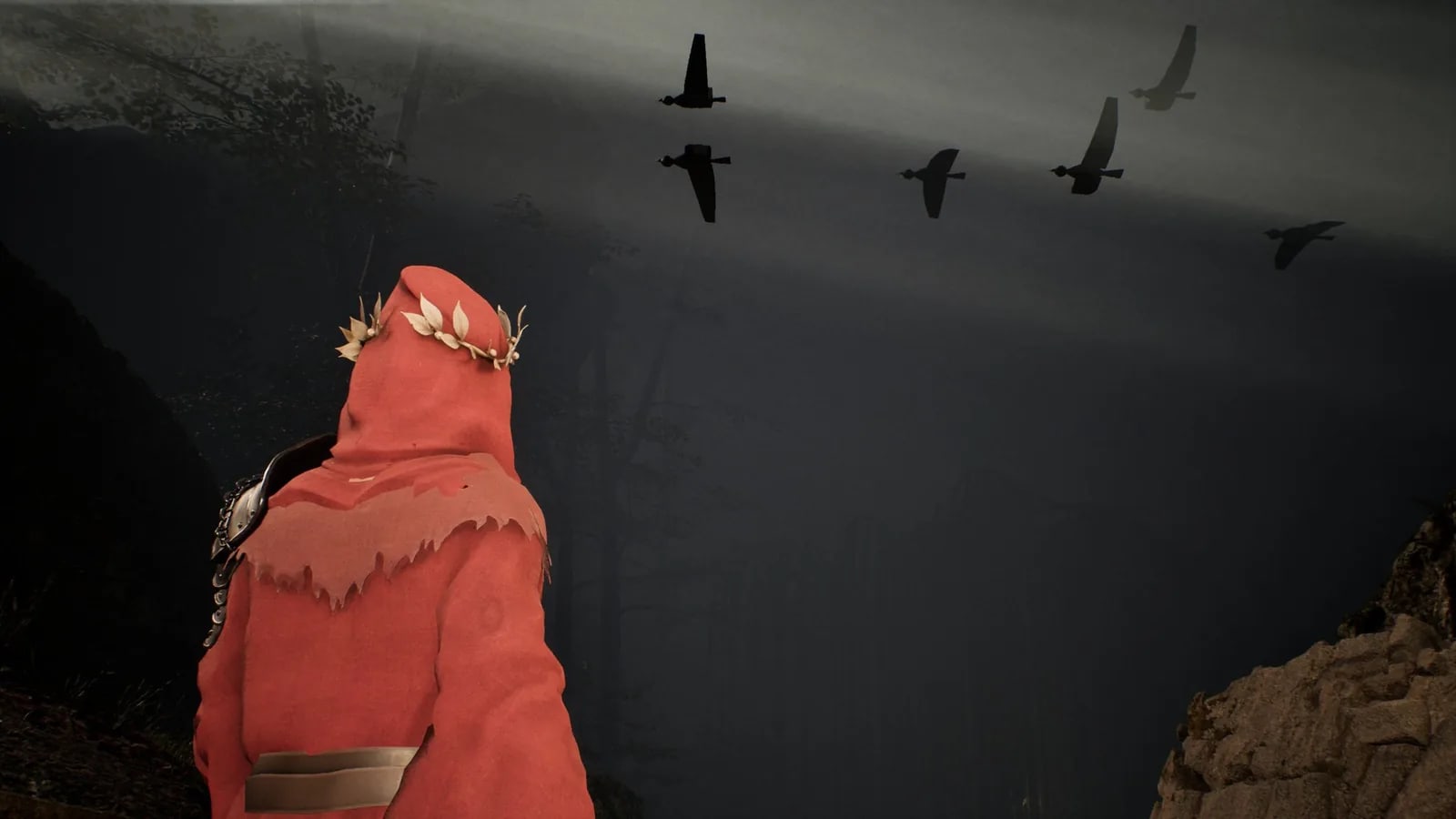
At the end of the wood the Gate of Hell is a door in a huge dead tree, with the inscription from Canto III hanging in the air above it. Putting the two frames side by side, the models are the obvious change; the one I’d point to as an environment artist is the lighting. The prototype is lit like a fog test, flat and evenly grey. The slice keeps the forest behind the gate cold, puts warm light under the door, and makes the inscription the brightest thing on screen, so the eye reads the words first.
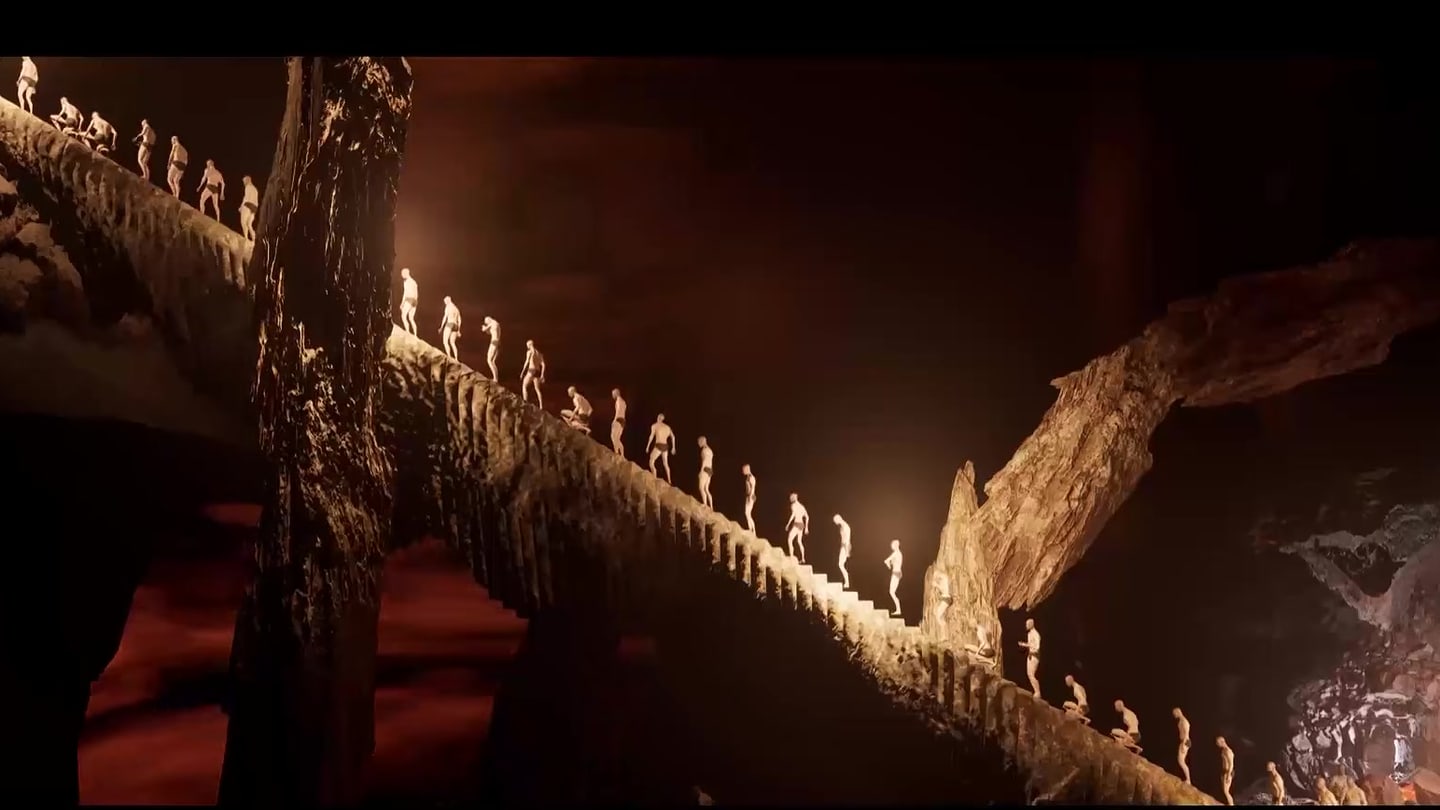
Past the gate the slice goes underground: the sandstone corridor, a chamber where pale souls drift through the mist, and the damned marching in single file along a spine of rock over the dark.
Minos, the judge
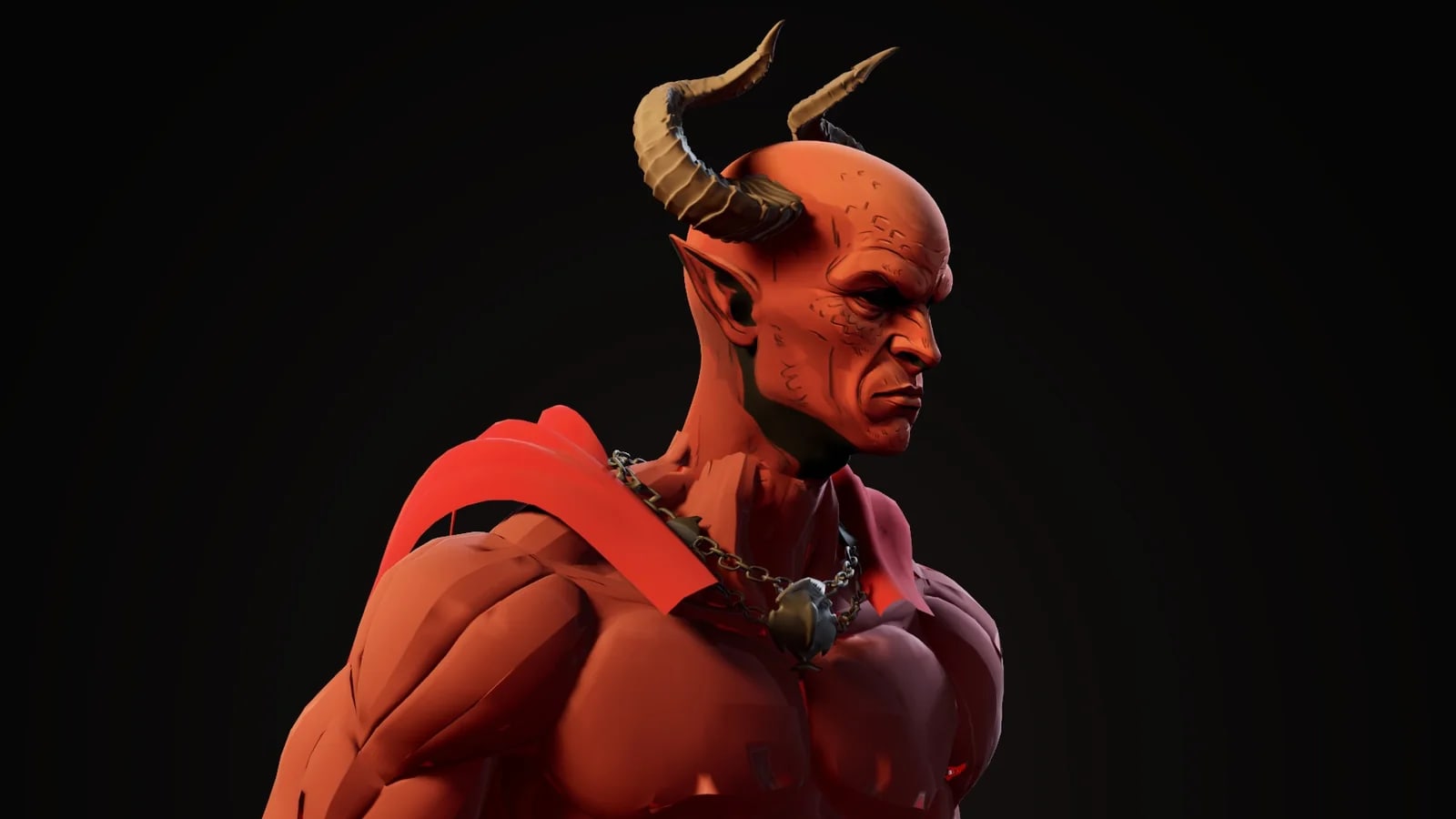
The slice ends on Minos. In Canto V he sentences each soul by wrapping his tail around himself as many times as the circle it’s bound for. In the devlog the boss bar reads “Il Giudizio: 2”, and Minos tells Dante that the chains of the second circle will hold him the way they hold the others. The tail of spheres from the prototype is gone: he’s half man and half serpent now.
The weight of a soul
Every choice makes Dante’s soul lighter or heavier. The judges of the dead read it, and the fights change with it. Minos is the first of those judges Dante meets.
Places, guardians and verses come from the Commedia. Dialogue is in Italian and English, and the verses quoted in the game are the Italian text and Henry Wadsworth Longfellow’s translation, both in the public domain.
Inferno first
The game follows the whole poem. Inferno comes first, from the dark wood to the frozen lake of Cocytus; Purgatorio and Paradiso come after.
The game has its own site with a 3D map of the nine circles, one card for each sin. A devlog post goes up every few days on Instagram at @thedivinecomedy_game, and a Steam page is on the way. This is the first of them, and the next ones will be here too.