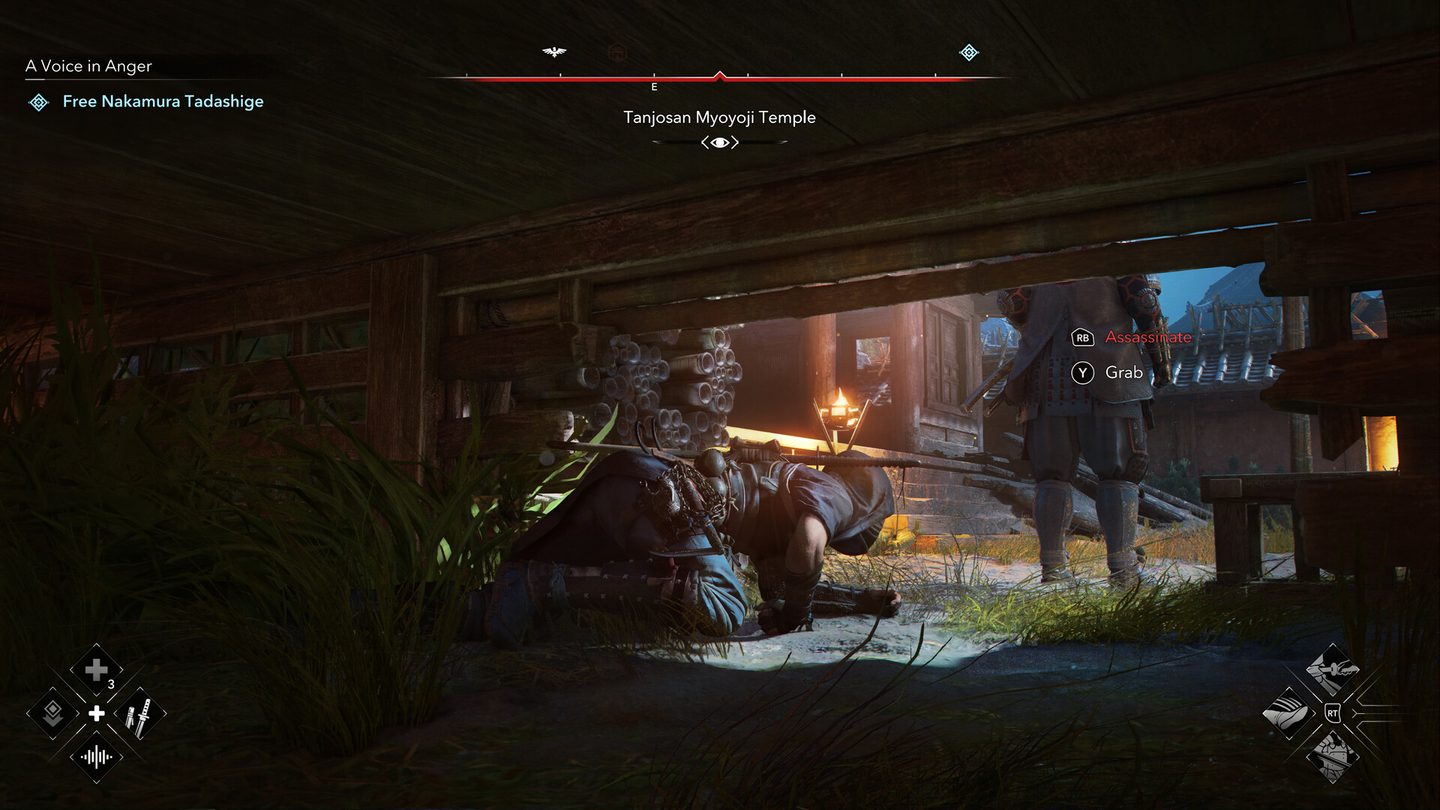
Three things came out of Ubisoft on 19 November 2026. All of them inside about six hours.
The company confirmed 166 job cuts at Ubisoft Montreal and Ubisoft Quebec. It confirmed that two of its five Creative Houses have been merged into one. And it confirmed, after months of reporting, that it has founded a studio dedicated to generative AI in games.
Those are three separate announcements. I am not going to pretend one caused another. Nothing published says so, and the arithmetic of a 166-person cut does not map onto a new studio of unknown size. What I will say is that on a single Thursday Ubisoft described where it is building new structure and where it has decided structure is no longer warranted, and the second of those two messages went to named people at the two studios that hold its biggest franchises.
Which studios, and what they were holding
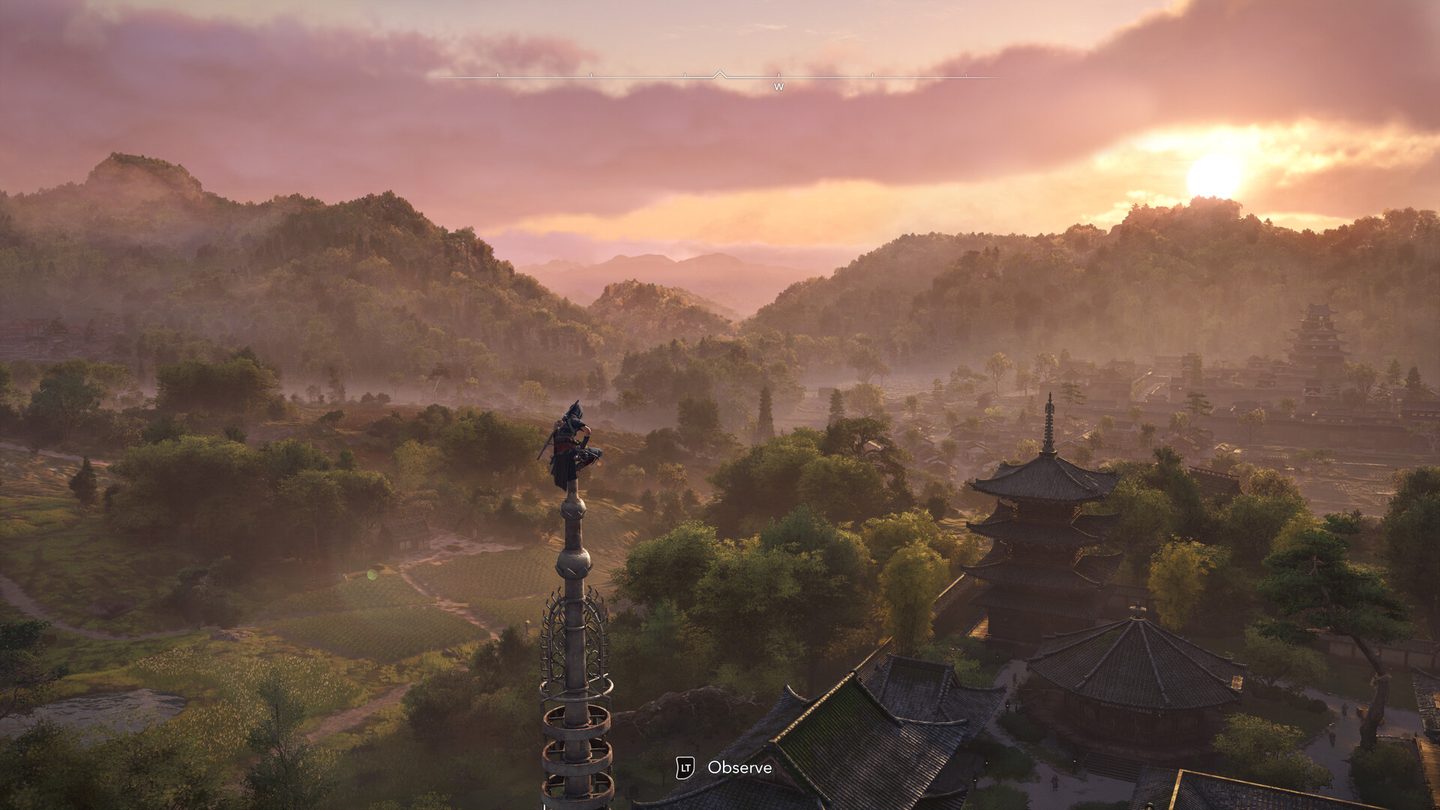
Ubisoft Montreal and Ubisoft Quebec are not satellite offices. Montreal has carried Assassin’s Creed for most of its existence. It is on Codename Hexe now. Quebec shipped Assassin’s Creed Shadows, and according to GameSpot’s reporting no further updates are coming to that game, which leaves an open question about what that team moves onto. Far Cry sits in the same complex. Between them, these are the teams that built the tooling every Ubisoft open world runs through.
The company’s line, quoted identically by Eurogamer and GamesIndustry.biz, is that the cuts are needed “to ensure our resources are aligned with current production priorities and business needs.” IGN reported — and GameSpot relayed — that the affected teams were working on projects that have been “canceled or refocused.” Push Square put the figure at roughly four per cent of Ubisoft’s Canadian workforce.
Four per cent is how it reads on a payroll. A pipeline does not lose people by percentage.
An Assassin’s Creed is a content factory, and the thing that makes a content factory work is not a document. It is three hundred people who all agree, without discussing it, on how an asset is named, which LOD budget a façade gets, how the streaming grid is carved up, and which of the four tools that can place a prop is the one you actually use for a roof. That consensus took fifteen years to form in Montreal, and it lives in the hands of people who have been there long enough to have opinions about it. A layoff aimed at “projects that have been canceled or refocused” selects for exactly the seniority that holds it — because the senior people are the ones who get moved onto the speculative thing that then gets cancelled.
The loss shows up two years later. An open world takes longer to populate than the last one did, and nobody can quite explain why.
The reorganisation is eight months old and already smaller
Ubisoft announced the Creative House structure in January 2026: five semi-autonomous houses, each overseeing specific franchises, intended to begin operating from April. The pitch was that a publisher this size runs better as a federation of focused teams than as one enormous studio network.
Two of the five have now been merged. Eight months in.
I would read that as the more informative of the day’s three announcements. A reorganisation that reduces its own unit count that fast is telling you the unit count was a plan rather than a finding — and every one of those merges redraws reporting lines, which for an artist means a new producer, a new set of review gates, and a quarter spent re-learning whose sign-off a scene needs. The Vantage Studios subsidiary sitting alongside this is backed by a Tencent investment that reports put somewhere between €1.16 billion and $1.3 billion; the figures genuinely do not agree across sources, which is worth knowing before anyone quotes one of them at you.
Ubisoft also said this week that Assassin’s Creed Jade, the mobile entry, is still in development while its focus remains console and PC, and it credited strong Assassin’s Creed sales partly to Black Flag Resynced and to a bump in Odyssey sales it attributes to Christopher Nolan’s Odyssey. In October it said no further Assassin’s Creed remakes are in development. The portfolio is being tidied in public.
The AI studio, said plainly
Video Games Chronicle reported on the same day that Ubisoft has founded a studio dedicated to generative AI in games, confirming earlier reports. Ubisoft has been running public generative-AI experiments for a while, so this is a change of status rather than a change of direction — the work graduates from an experiment inside the company to a company inside the company.
What a dedicated subsidiary buys you is a budget line and a headcount that does not compete with a game’s own. That is a real commitment. It is the kind a company makes once it has decided a technology is load-bearing rather than exploratory. We have watched this exact move elsewhere this month: Pearl Abyss now says AI runs through its entire pipeline, eight months after apologising for AI props shipping in Crimson Desert. The pattern there was an apology followed by expansion, and nobody involved treated those two things as contradictory.
I have no idea what that studio will ship. Anybody telling you it exists to replace the 166 is guessing. The thing I would watch for is narrower: whether the tools it produces land in the hands of the production artists who are still there, or whether they stay a research output that gets shown at investor days. Those are very different outcomes for the same press release.
The day it landed on
GTA 6 came out on 19 November 2026. Every games outlet on earth had its front page committed, its reviewers exhausted, and no spare column for a Thursday afternoon layoff notice from a French publisher. I do not think that timing was chosen — Ubisoft’s internal calendar is not built around Rockstar’s — but the effect is the same either way, and it is why the number is worth repeating rather than filing.
It is also a sharp contrast to read in one week. Rockstar’s answer to the problem of filling a modern open world was to put a dedicated team on NPC animation until GTA 6 carried over 600,000 of them, roughly eleven times GTA 5’s count — a headcount answer to a content problem, and an expensive one. Ubisoft’s open worlds have the same content problem, at a comparable scale, and this week its answer to the headcount question went the other way.
Both companies are solving for the cost of hand-made volume. One of them bought more hands.