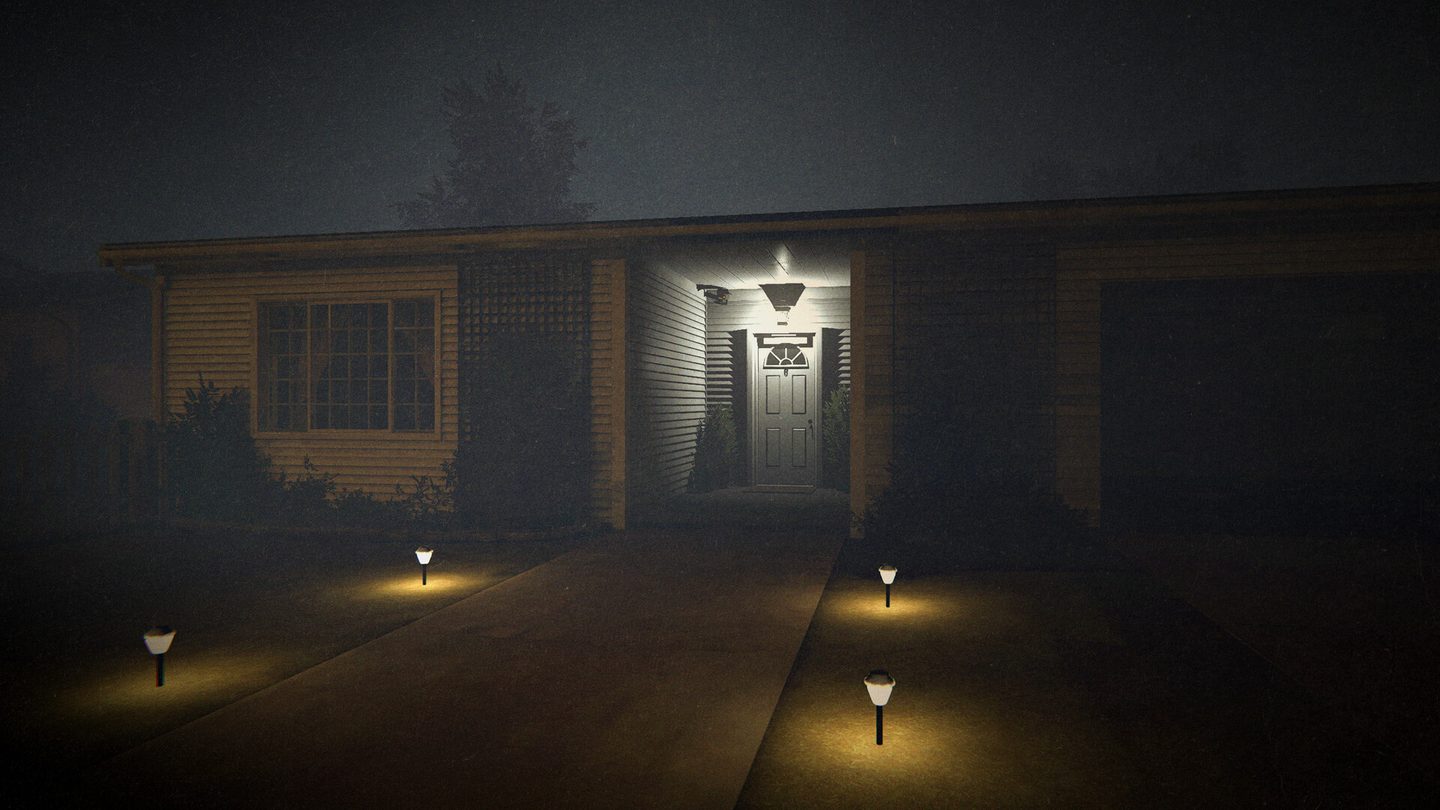
The most informative thing in Phasmophobia’s next update is the feature that is no longer in it. Kinetic Games has pulled the Player Character Visual Update out of Resonance, which arrives free on all platforms on 24 November 2026, to keep the rest of it stable.
That is an engine upgrade talking.
Resonance moves the game to Unity 6. Alongside it come dowsing rods for locating an entity — genuinely useful on the larger maps, where the current hunt is a lot of walking — a reworked Sound Sensor, custom map pools with small, medium and large buttons and a dice button in place of the old Random Map polaroid, and a wider set of voice commands. You can now ask a ghost to open a door, flip a switch, throw something, or show you a sign, with a Journal page listing every phrase the parser actually accepts. That last detail is a small kindness. Voice recognition in this game has always had an invisible vocabulary and players have been guessing at it for six years.
Kinetic says the two things shipped together because splitting them looked unreasonable for everyone involved. I believe that, and I would guess the calculation was narrower than it sounds: shipping an engine jump on its own means asking a live playerbase to absorb a destabilising patch with nothing in it for them.
Why a version bump is a content job
Unity 6 arrived publicly in late 2024. Phasmophobia is getting there in late 2026, and the gap is the honest part of this story. Engine major versions are cheap to adopt on a project that has not shipped and expensive on one that has, because the cost does not land on the code. It lands on the content.
Unity’s own notes for URP 17, the pipeline that ships with Unity 6, describe a render graph that reduces memory use and handles synchronisation between compute and graphics queues, and improvements to Adaptive Probe Volumes: lighting scenario blending, sky occlusion, disk streaming. Good things. Each one also implies work. Custom renderer features written against the older API need reworking against the render graph. The GPU Resident Drawer, which batches GameObjects through the BatchRendererGroup API to cut draw calls, needs shaders that support DOTS instancing — so every custom shader in the project gets audited.
And if a project moves off Light Probe Groups and onto Adaptive Probe Volumes, the probe data gets rebuilt rather than converted. That specific claim comes from developer write-ups rather than Unity’s own upgrade guide, so treat it as the shape of the problem rather than a documented rule. But the shape is right, and it is the shape that matters for this game.
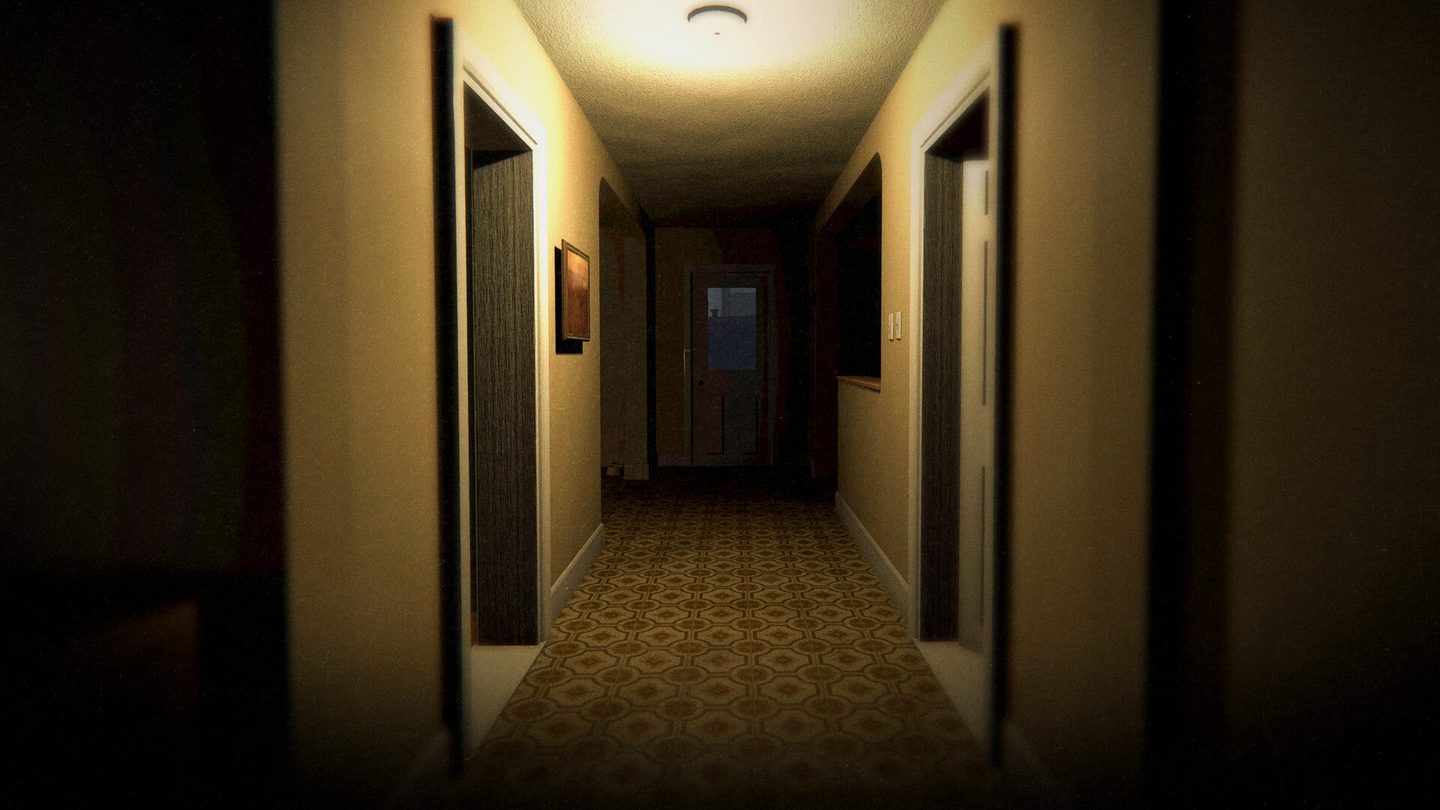
Think about what Phasmophobia is. Every map is an interior. The lighting is the mechanic — a torch cone, a few practical bulbs you can switch on at the breaker, and a lot of deliberate blackness. Relight a house in that game and you have not changed the look, you have changed the difficulty. A hallway that reads a little brighter is a hallway where you spot the Wraith a second earlier.
There is nothing glamorous about the week that produces. You open the project on the new version, wait out an import that takes long enough to go and make something to eat, and come back to a console full of warnings and a handful of materials rendering pink. Then you walk every map with the old build open on a second monitor, comparing corners. Nobody writes a patch note for that.
The claims, and what they are worth on Monday
Kinetic’s pitch for the upgrade is stability and performance: fewer crashes, better CPU, GPU, VRAM and RAM usage, memory leaks fixed, improved lighting. At least one outlet has already pointed out that none of this is verified, and that is fair. A promise about frame time is a promise until the build is on people’s machines.
Two things are worth watching when it lands. The first is shader compilation. A pipeline change invalidates the cached variants, which means the first boot after the update is the slowest one, and however gracefully it is handled somebody will file it as a performance regression — the same confusion Call of Duty eventually took ownership of rather than leaving to its players. The second is mods and custom content. Phasmophobia’s community has built a large amount of it, and a major version change is where that breaks quietly.
The number Kinetic has not given is which version the game is leaving. That is the one that tells you whether this is a hop or a leap, and without it, nobody outside the studio can size the job.
Which is the practical version of an argument I made about Epic’s next engine in August: a new major version existing is not a reason to move. A shipped game moves when the features are worth the revalidation, and not before. Kinetic appears to have waited until memory leaks and crash reports made the sums work, then bought itself cover by attaching dowsing rods to the invoice.
The patch notes land in full on the 24th. The interesting ones will be the lighting lines.