In 2020, when EA put the Command & Conquer Remastered Collection together, producer Jim Vessella went looking for the source of those live-action cutscenes. He did not find it. The team ended up working from low-quality archival copies, running each scene through an AI upscaler and interpolating the result to 30 frames a second — the coverage at the time disagreed about whether some of it came off the higher-bitrate PlayStation discs, and that disagreement has never really been settled. The unit art got better treatment: Lemon Sky Studios redrew it rather than enlarging it.
Six years later the same producer has been digitising EA’s video archive, and this time the tapes were there. Around six hundred of them turned up in the process, which is the figure doing the rounds, though nothing in the reporting pins down how many of those carry Wing Commander III: Heart of the Tiger. Enough of them, apparently, to build a remaster around.
Nobody at EA has announced it. What exists is a slide from Vessella’s talk at the Portland Retro Gaming Expo, photographed and posted to Bluesky by Video Game History Foundation board member Steve Lin, listing source and upscaled versions of the FMVs, 60fps, controller support and Kilrathi Saga integration. Treat the shape of the thing as firm and the details as a slide.
What shipped in 1994, and what was behind it
Wing Commander III came out in December 1994 with more than two hours of live-action video in it — Mark Hamill flying the missions, Malcolm McDowell and John Rhys-Davies around him. It was the kind of production CD-ROM had just made possible, and the discs are also where it got destroyed. Per PC Gamer, that footage was squeezed down to 320x240 and compressed in Origin’s own Xanmovie format to fit.
320x240. A player window the size of a large app icon, at a bitrate chosen so four hundred megabytes of disc could hold a film.
So the gap between the tape and the shipped game here is enormous, and it is a gap in the direction that matters. An upscaler fed the 1994 video has to invent the eyelashes, the fabric weave, the edges of McDowell’s uniform, because none of that survived the encode. It guesses, plausibly, and a plausible guess is still a guess. A master has that detail recorded. You transfer it once and you have it.
The ceiling is still the ceiling
Here is where the enthusiasm needs a brake. Those tapes are standard definition. A 1994 production of this scale would have been shot and mastered on professional video rather than film, and the best of that era resolves to something in the region of 480 lines — clean, properly colour-sampled, vastly better than what shipped, and nowhere near HD.
This is the same wall that a 4K scan of Ninja Scroll’s 35mm negative runs into from the other side. There, the resolution was available and the artwork was the limit. Here the artwork is fine and the recording medium is the limit. Either way the honest version of “remastered” is everything the source holds, which is a real and worthwhile thing to ship, and not the same promise as a number with a K after it.
Which makes the slide’s two-version approach the right one. Put the straight transfer on the disc and put the upscale next to it, let people choose, and leave the unretouched scan sitting there for whoever does this again in 2046.
Someone has to play the tapes
The part I keep thinking about is the machine.
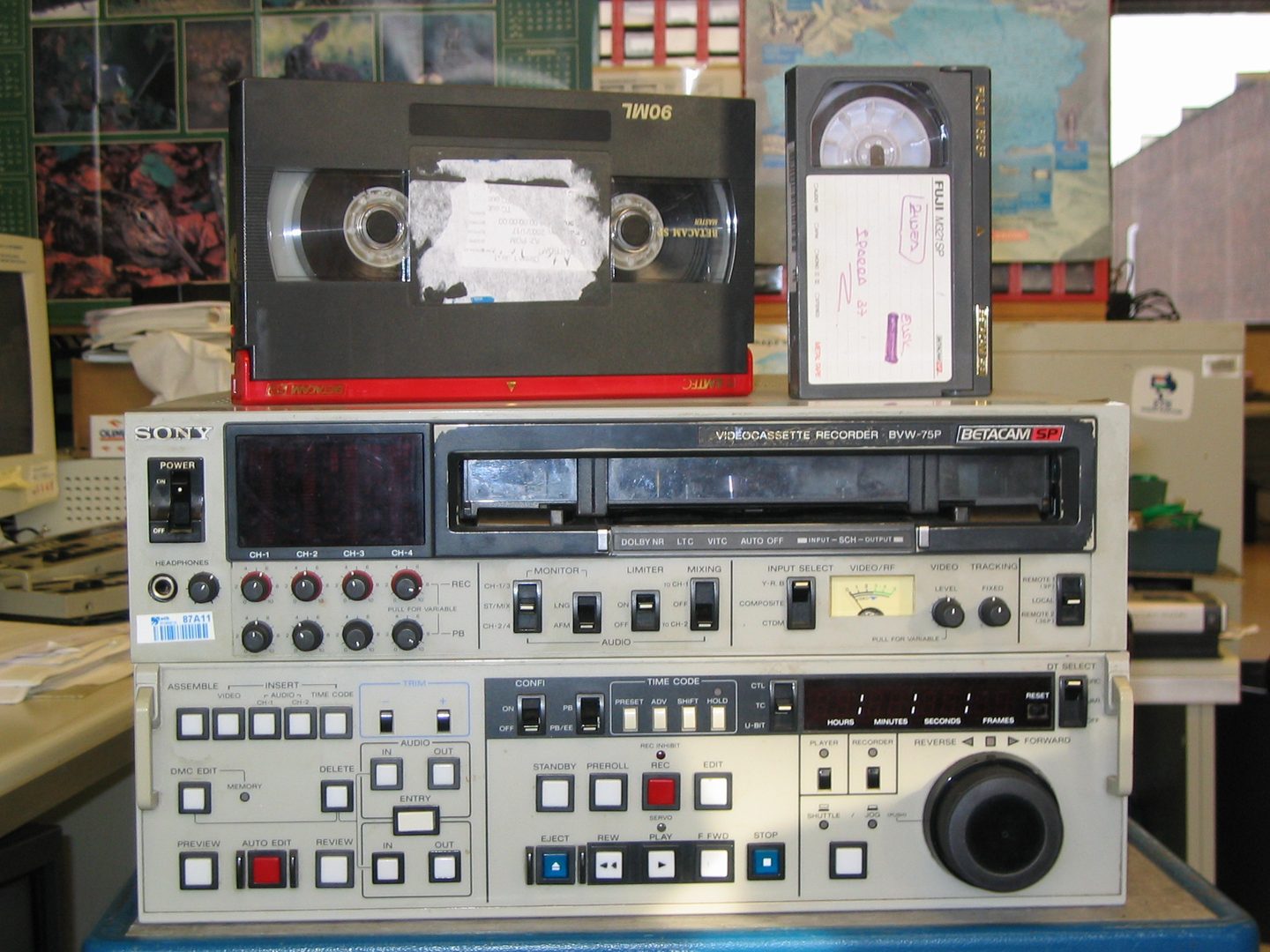
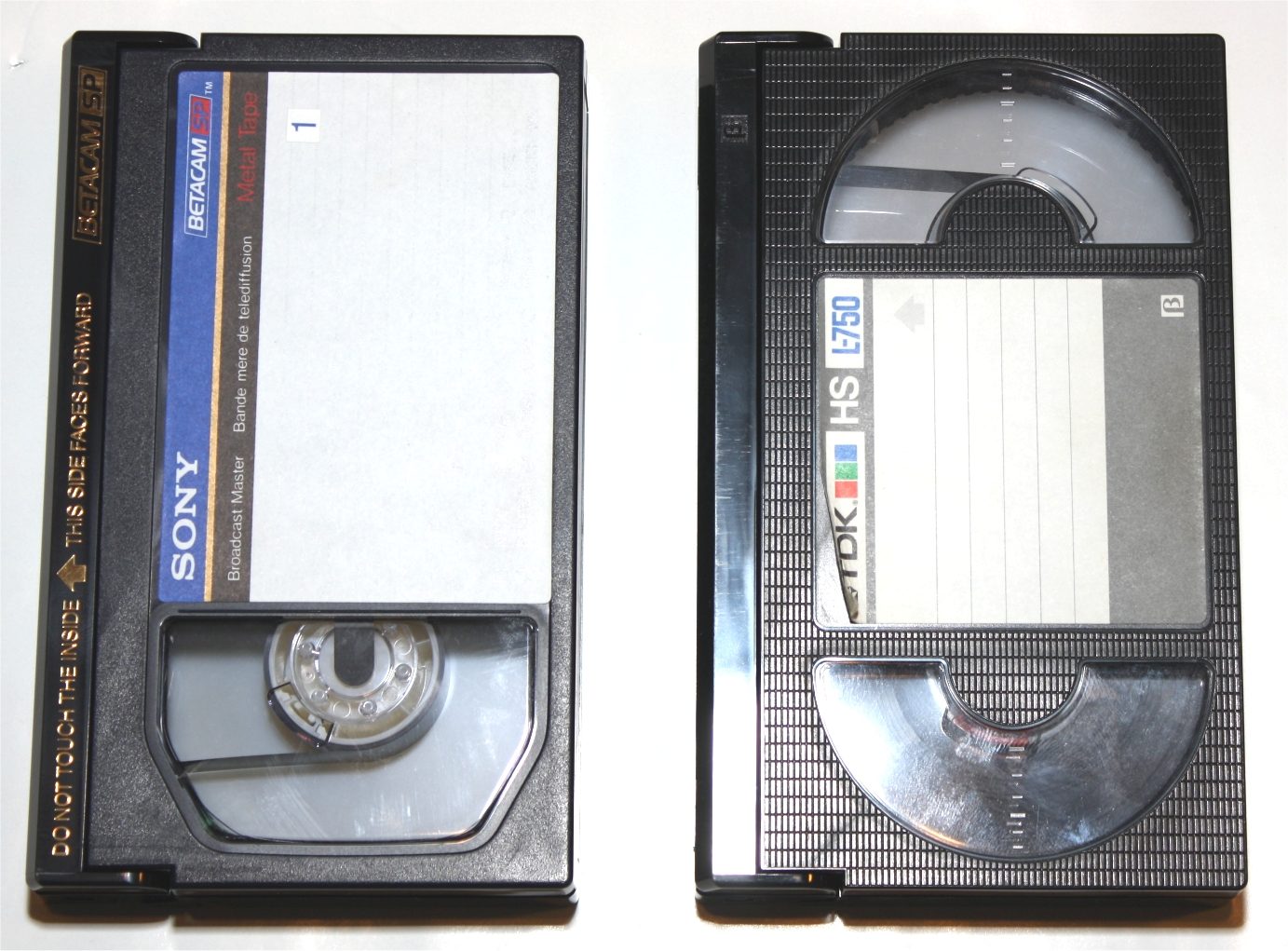
Reporting hasn’t said what format the six hundred tapes are, and that detail decides how much of this is a pipeline problem. Whatever they are, they need a deck that still runs, heads that still track, and a capture chain on the other end — and the professional video formats of 1994 are now maintained by a small number of specialists and a smaller number of working transports. Spares come from other dead machines.
Archives have been losing this race for years, which is the thing LTO-10 dropping backwards compatibility made concrete for anyone running a render farm: the tape in the box is only an archive for as long as something can read it. The difference is that LTO is a format with a roadmap and a vendor, and a Betacam-class master from an Origin Systems shoot is a physical object with a clock on it. Oxide sheds. Binders go sticky. The window for a clean transfer closes whether or not anyone is paying attention.
Vessella’s digitisation project is that transfer happening while it still can, and the remaster is a by-product of it. Six hundred tapes going to files is worth more to the historical record than the re-release ever will be, and it only looks like a games story because a games company happened to own the shelf.
One more thing worth saying about the 2020 job. The C&C remaster took the criticism it got for those soft, interpolated cutscenes, and most of that criticism was aimed at a team who had already looked for the originals and failed to find them. The lesson EA seems to have drawn is to go and digitise the whole archive rather than go hunting per project. That is the correct lesson, and it is cheap compared to the alternative, which is finding out in 2040 what the shelf used to hold.