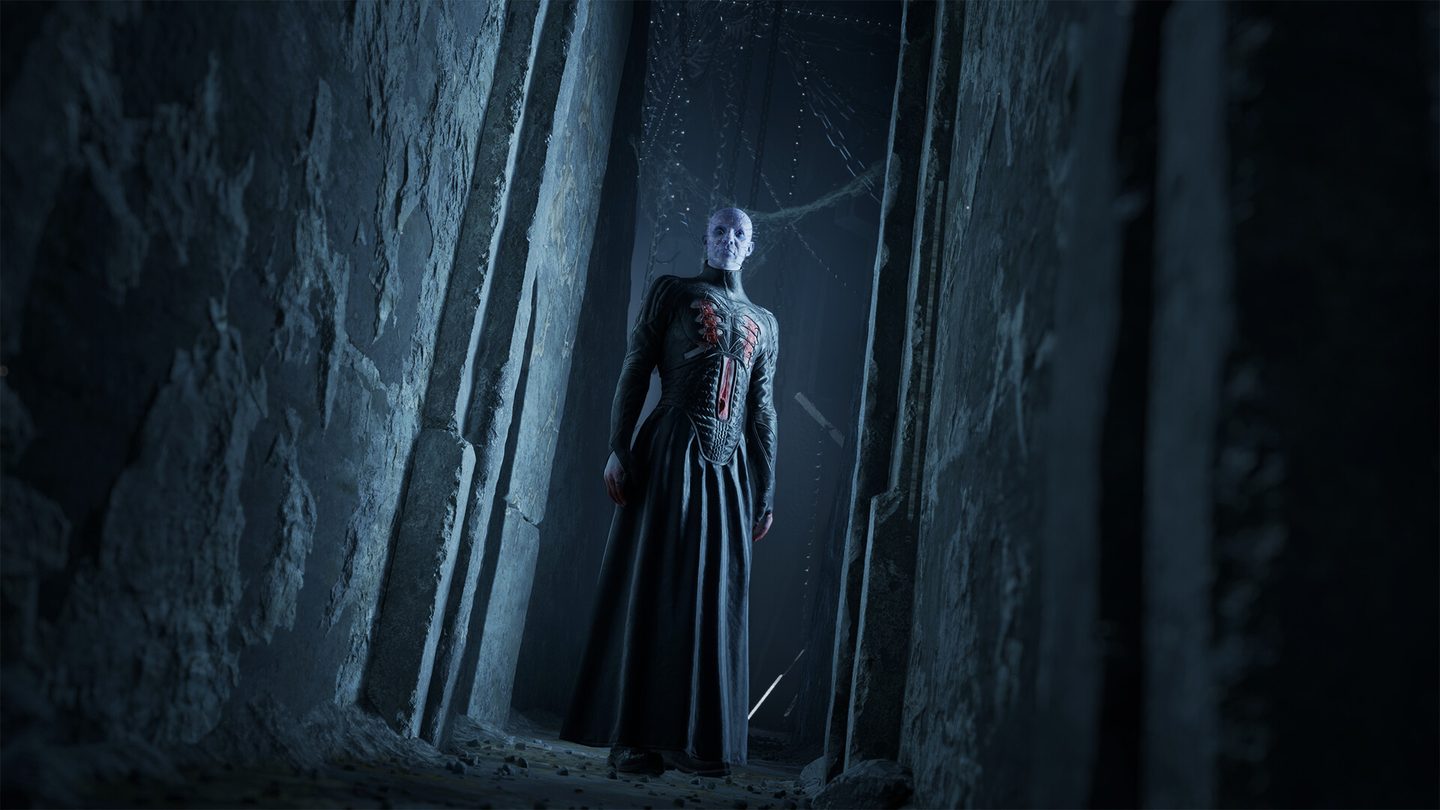
Six scored verdicts I could verify on launch day, 8 October 2026, and they average 7.5. That number is close to useless on its own, because the range it comes from runs from 4.5 to 8.5 — four points of a ten-point scale. GameSpot filed it as the best thing to carry the Hellraiser name since the 1987 film. Game Informer filed 4.5 and called playing it as miserable as meeting Pinhead. Metacritic sat at 67 from 24 critics this morning.
A spread that wide usually comes from critics arguing about what a game was for. These reviews agree on almost everything, including the parts they are supposedly split over. Read them next to each other and the shape of the argument is narrower than the numbers suggest.
They all like the same half of it
CGMagazine, reviewing on PC, called it one of the best licensed games ever made. DualShockers headlined its review “A Strong Presentation Undermined by Lousy Combat”. Dread Central said the combat could be better. Game Informer, at the bottom of the range, went after bad design and what it called a litany of bugs.
Put those in a column and the pattern is a disagreement about how much the second half of the game should cost the first half. Presentation: everybody is happy. Moment-to-moment fighting: nobody is. What separates a 4.5 from an 8.5 is how heavily each reviewer weighted the part that does not work, and in one case which box they played it on.
That last bit matters and I want to be careful with it. The 4.5 came from a PS5 review built substantially around bugs. The 8.5 and one of the 8s came from PC. I could not confirm the platform behind every verdict in my set, so I am not going to tell you this is a console-versus-PC story — but the lowest score in the range is a console score whose central complaint is technical. Worth knowing before you pick a machine. Date it: this is where things stood on launch day, and a patch changes it.
Eighty gigabytes for a corridor
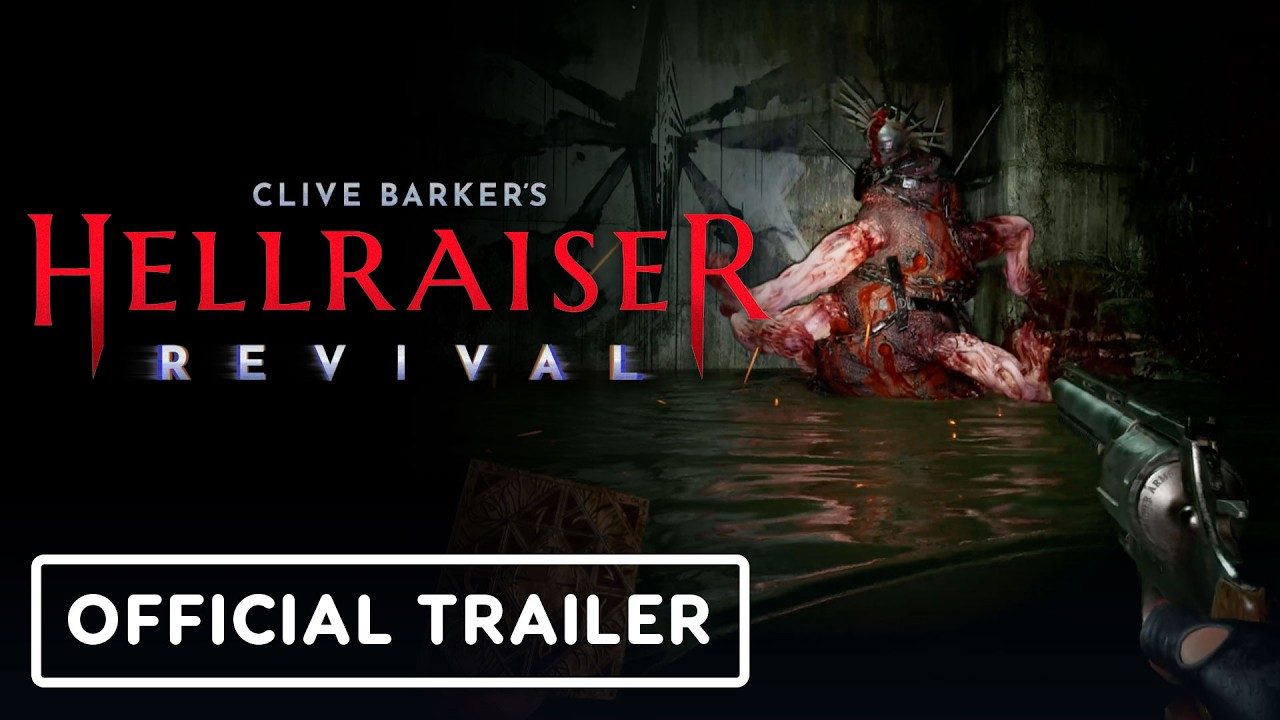
The Steam listing wants Windows 10 64-bit, 8GB of RAM, a GTX 1660, and 80GB of storage. Look at those four numbers together for a second.
A GTX 1660 minimum is modest — that is a 2019 card, and asking for it means the renderer is not leaning on hardware ray tracing or anything else that would gate the audience. 8GB of system RAM is equally undemanding. And then 80GB of install for a single-player, largely linear first-person horror game.
Storage is where this kind of game spends, and that split is informative. Low compute floor, enormous footprint: the budget went into texture resolution, high quality audio, and pre-rendered or heavily authored sequences, rather than into systems that need a fast GPU to evaluate. Which is exactly the shape the reviews describe from the other side. You can read a production’s priorities out of a minimum spec more often than people think.
The licence buys the look
Saber is the publisher here, and for the record the credits are genuinely muddled across sources: Wikipedia lists Saber as developer and publisher, CGMagazine has Mad Head Games developing with Boss Team Games and Saber publishing, and other outlets split it differently again. I have not found a version I would stake his name on, so take the studio attribution as unsettled.
What is settled is that this is the first Hellraiser game ever made, that Doug Bradley is back in the role for the first time in roughly two decades, and that Barker consulted. All three show up in what reviewers praise. Cenobite design, practical-feeling gore, the sound. A licence gets you a creature canon somebody else already solved, a voice the audience recognises, and a visual language your concept artists do not have to invent.
It does not get you a combat loop. Nothing about holding the Hellraiser rights helps you tune enemy health, hit feedback, or weapon weight, and those are the things the reviews are unanimous about. This is the same company whose chief creative officer named Hellraiser in that flat no-generative-AI statement back in September — a list of six licensed titles, every name on it somebody else’s property. That is the business Saber is in, and a licensed slate is a slate where the art direction arrives half-finished and the systems arrive from scratch.
Worth noting too that the German Steam store reportedly dropped the game for want of a rating, which is its own kind of review.
What the number is telling you
7.5, from six verdicts between 4.5 and 8.5, collected on launch day.
Take the mean with more salt than usual. Gaps like this are usually worth more attention than the average that hides them: Marvel Tokon scored 87 with critics while its own players filed Mixed, and that forty-point gap described the game better than either figure did. Here the gap sits inside the critic set itself, which makes a single number a poor summary of it. The honest reading is that the game is uneven, and that your tolerance for bad fighting in a good-looking haunted house decides where in that range you land.
If you want the one-line version: the rooms are the best thing anybody has built out of this licence, and you have to fight your way through them.
Six scores collected on 8 October 2026 from the outlets’ own review pages, converted to a 1-10 scale and averaged, then rounded to the nearest half point. The Metacritic figure is Metacritic’s own and moves as more verdicts land. Scores of 85 and 80 percent were converted to 8.5 and 8.