In English, only Anime News Network has reported this so far; the admission itself is on Lilium’s own account, and Japanese coverage followed it. Treat the finer details as early.
Yuriten has one thing to sell, and it is not a venue. For ten years the yuri exhibition run by the company Lilium has worked by getting manga artists to lend original drawings, hang them, and sell prints to people who came specifically to stand in front of them. That is the entire product. The same thing is true of every show of its kind — a touring Ghost in the Shell retrospective earns its ticket on the hand-painted backgrounds, not on the floor plan. An exhibition is a promise that a person made this, and that you can come and look at the evidence.
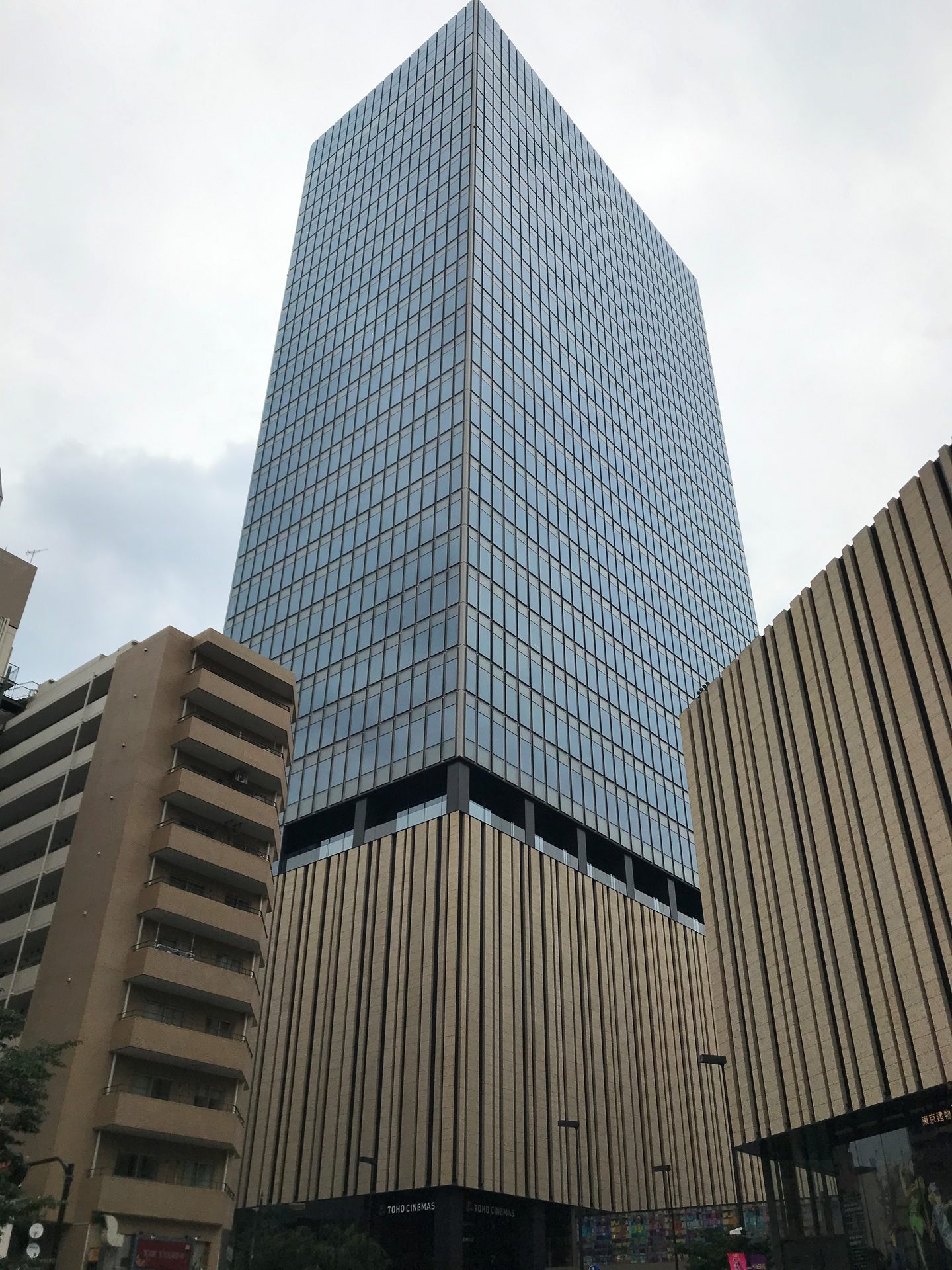
On the night of 10 October 2026 Lilium admitted that generative AI had made the announcement visual for its tenth anniversary campaign. It apologised. The free kickoff event planned for 17 and 18 October in front of the Hareza Ikebukuro complex was cancelled the following day.
The exhibition is not cancelled. That distinction got lost quickly and it matters: Yuriten 2026-27 and Atelier Lilium, the permanent yuri café in Ikebukuro, are both still going ahead. What died was the free launch event.
The decorations are the part that stings
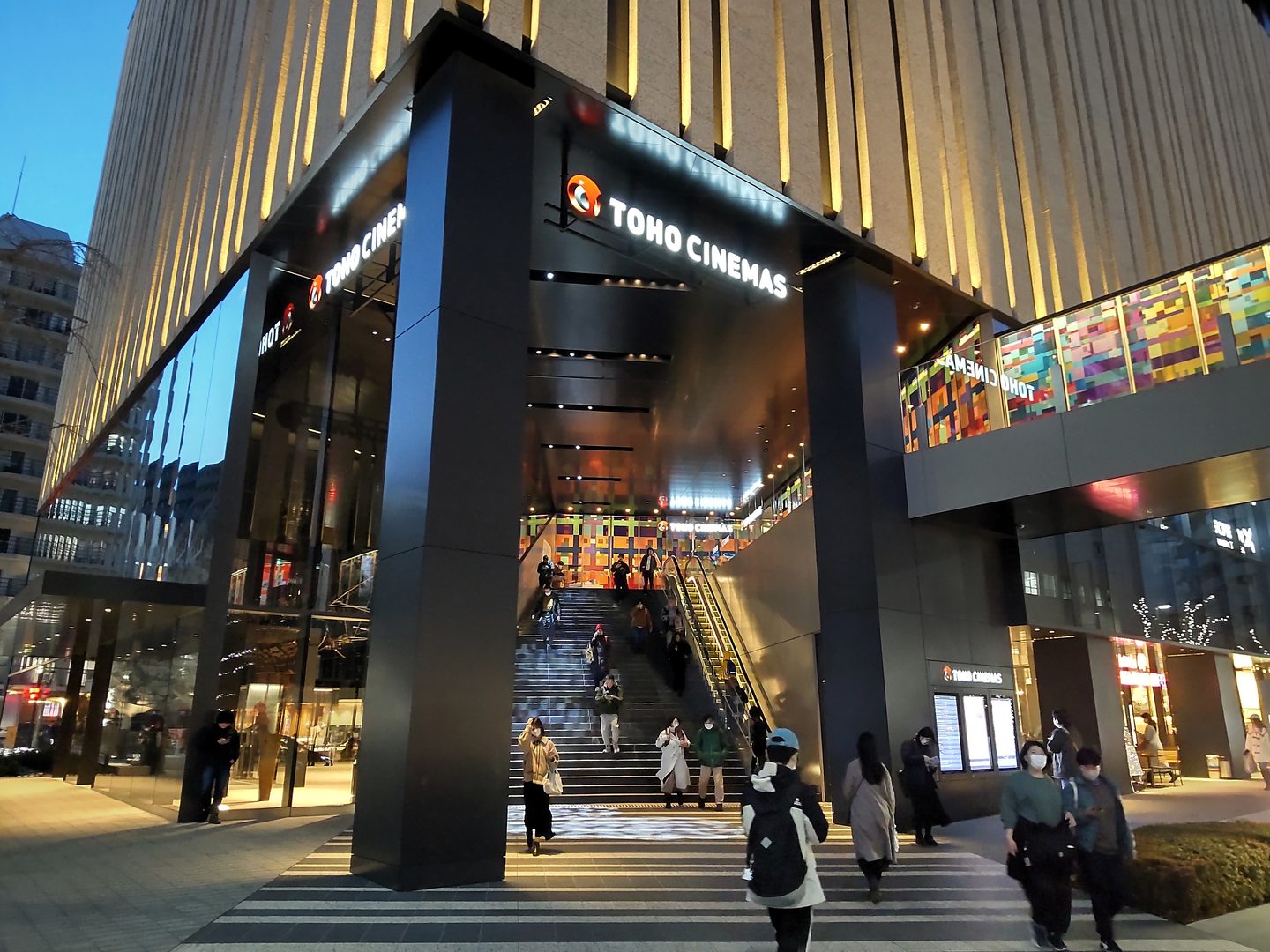
The teaser image is what everyone saw, so it is what everyone argued about. The admission went further than the teaser, though. Lilium said generative AI had also been used in the event’s decorations, and in some of the company’s other promotions and services.
Decorations means the physical dressing of the room. Artists were being asked to hang original work inside a space furnished with generated imagery. If you have ever hung your own work at a show, you know the walls are not neutral — whatever is printed large behind you is part of how your drawing reads. Being the only hand-made thing in the room is a specific kind of insult, and it is the detail I would be angriest about.
Nio Nakatani, who drew Bloom Into You and had taken part in past Yuriten exhibitions, said publicly that she found it confounding and disappointing. Yukiko and Yayoi Osawa criticised it too. These are the people the show exists to showcase.
A contractor is not an explanation
The organisers pointed at an outside contractor as the route the imagery came in by, and the pledge they published extends to overseeing contractors in future. I believe the sequence. I do not think it absolves anyone, and I think it is worth being precise about why, because this is the most common way generated art enters a pipeline that never asked for it.
A promo banner is a small deliverable. It goes out to a design shop with a brief, a size, and a deadline. Nobody at Lilium chose a model or typed a prompt. The shop was asked for an image by Friday and produced one, and the file that came back was a flat JPEG at the right pixel dimensions, which is exactly what a brief asking for a flat JPEG at the right pixel dimensions will get you.
Here is the thing about catching it. You cannot reliably spot a generated
illustration by looking at a banner at the size a banner is reviewed. Nobody is
zooming in on the hands on a key visual at 11pm. But you can ask for the source
file, and that question has no false positives worth worrying about. A drawn
illustration arrives as a layered document — a sketch layer somebody forgot to
hide, flats, a shading pass, forty layers with names like hair_2_FIX and a
couple of hidden experiments nobody deleted. It has a history because making it
took hours and the hours left marks. A generated image has a prompt and a flat
raster, and when you ask for the working file there is nothing to send.
“Deliver the layered source alongside the export” is a line in a delivery spec. It is already normal in every art pipeline I know of, for completely unrelated reasons — you want the PSD so you can move the logo later. Adding it as an acceptance condition costs a sentence. Games figured this out faster, mostly because licensors forced them to: Saber’s Space Marine 3 rules out generative AI through the licence itself rather than through good intentions, and a contractual no is the only kind a subcontractor three steps down the chain ever actually reads.
Ikebukuro has already had this argument
This is the second time this year the same square mile has run the same play. Singer Yoko Takahashi withdrew from an Ikebukuro Animation Philharmonic recital over an AI-generated poster image, saying the organisers’ position on generative AI did not sit with her own as an artist. The orchestra later apologised and said it had not been sufficiently aware of the recent issues around generative AI.
Not sufficiently aware is an honest description of how these go. It is also not a defence available twice in one city in one year.
The part that remains unresolved is the shape of Lilium’s promise. The pledge covers Yuriten exhibitions and their official promotional images. Japanese reporting suggests other promotions may still use generated imagery where it is cheaper or more convenient, and the English and Japanese accounts do not line up cleanly on this point — so read it as unconfirmed until the company says otherwise. If it is accurate, the company has drawn a line around the room where the drawings hang and left the rest of its output open. The audience is the same people either way, and so is the logo on the artwork.