I have spent enough of my working life on skin shaders to know exactly which dial got turned too far this afternoon, and so, judging by the last three hours, has everyone else.
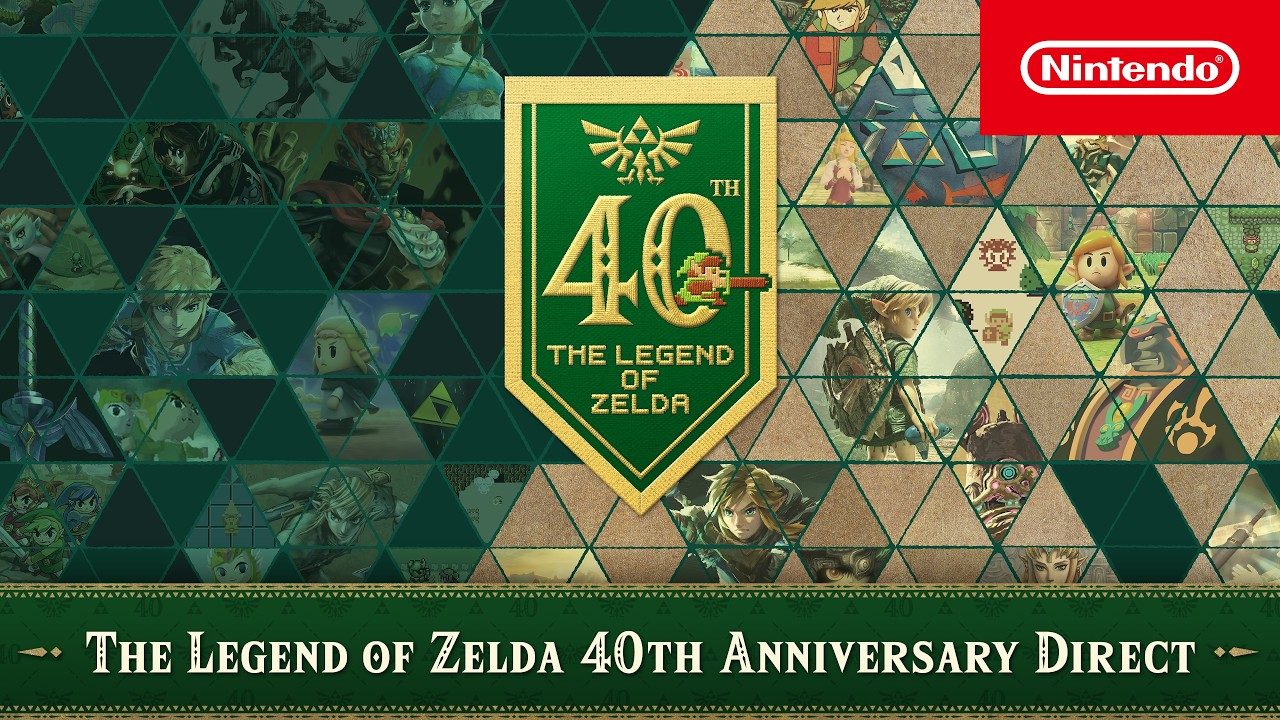
Nintendo ran a 40th anniversary Direct for The Legend of Zelda at four in the afternoon Italian time. Eiji Aonuma showed the first real gameplay of the Ocarina of Time remake and put it on Switch 2 for 5 November. Within the hour the reaction had settled on Link’s face.
The specular is doing all the talking
Polygon’s line was that Link has never looked more moist. Eurogamer collected the reaction and led with someone saying, roughly, that this is Unreal Engine Zelda. Nintendo has not said what it is built in and I am not going to pretend the crowd knows — but I understand exactly why that particular insult is the one that stuck, because it names a look rather than a toolchain.
What people are reacting to is a broad specular highlight sitting high on skin that used to be flat. Ocarina of Time in 1998 was diffuse and matte by necessity; the N64 could not afford to make anything shine, so faces read as painted shapes. Put a modern lighting model under that same face and the light no longer lands on a shape, it lands on a surface with a roughness value, and that value is a decision someone had to type. Set it low and skin turns to polished wax.
That is a five minute change, and it is nobody’s incompetence. It is what happens when a face authored for one lighting model is rebuilt under another. Everyone is measuring it against how the original felt at eleven years old on a CRT, and no roughness map ever shipped that could win against a memory.
Link can jump now, which GameSpot correctly treated as the biggest structural news of the afternoon.
Everything else, in order
The hardware. A Nintendo Switch 2 – The Legend of Zelda 40th Anniversary Edition on 29 October, with matching Pro Controller and carrying case, all carrying a Triforce. VGC noted it is themed on forty years of Zelda rather than on the remake, which is the correct call — tie the console to one game and it dates the moment that game does.
The Lego. A third Zelda set, Link on Epona, out next year, and once again drawn from Ocarina of Time. Three sets in and Nintendo has still not licensed a Wind Waker one, which GameSpot flagged as the hole in the whole broadcast.
The film. It is called The Legend of Zelda, no subtitle, and it lands 30 April 2027. An original story built out of series lore rather than an adaptation of any single game — the only structurally sensible choice for a series whose canon is a fork diagram.
The concerts. A world tour through 2027: Tokyo in January, Chicago in February, London in April, Melbourne in May.
The date is the loudest thing in the Direct
5 November puts Ocarina of Time in the same month as GTA 6. Every other publisher spent this year clearing out of that window, and Push Square is right that Nintendo is now the only one standing in it.
That is a different market. The person pre-ordering a Triforce Switch 2 in October has already decided. Nintendo knows the overlap between those two audiences is thinner than the calendar makes it look.
Which is what makes the skin argument funny to me. Nintendo has just scheduled its anniversary game against the largest launch in the industry’s history, and the thing we are all going to spend the next eight weeks talking about is a roughness value on a face. It will be tuned before November. It is the single cheapest note in the entire production to action, and it is the one that got heard.