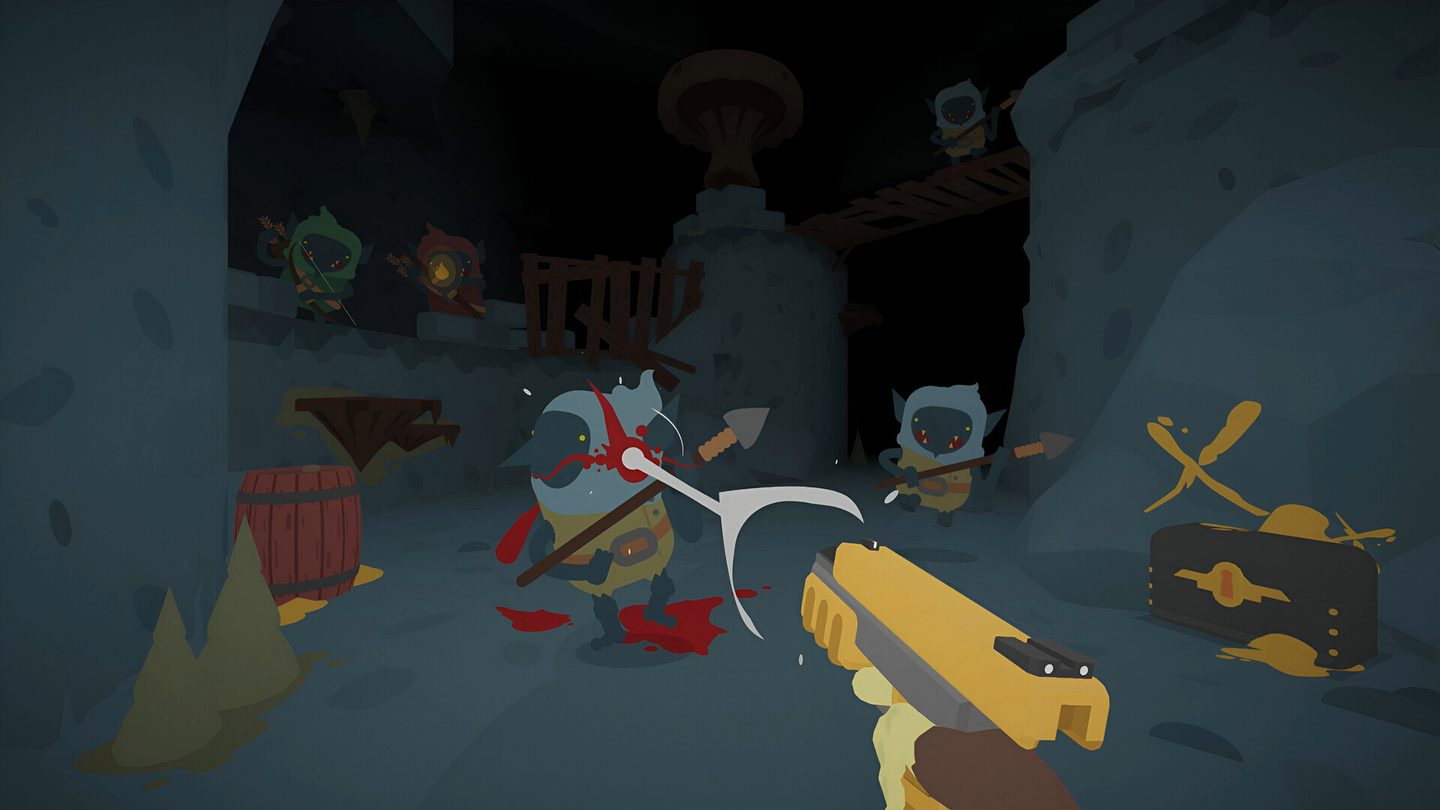
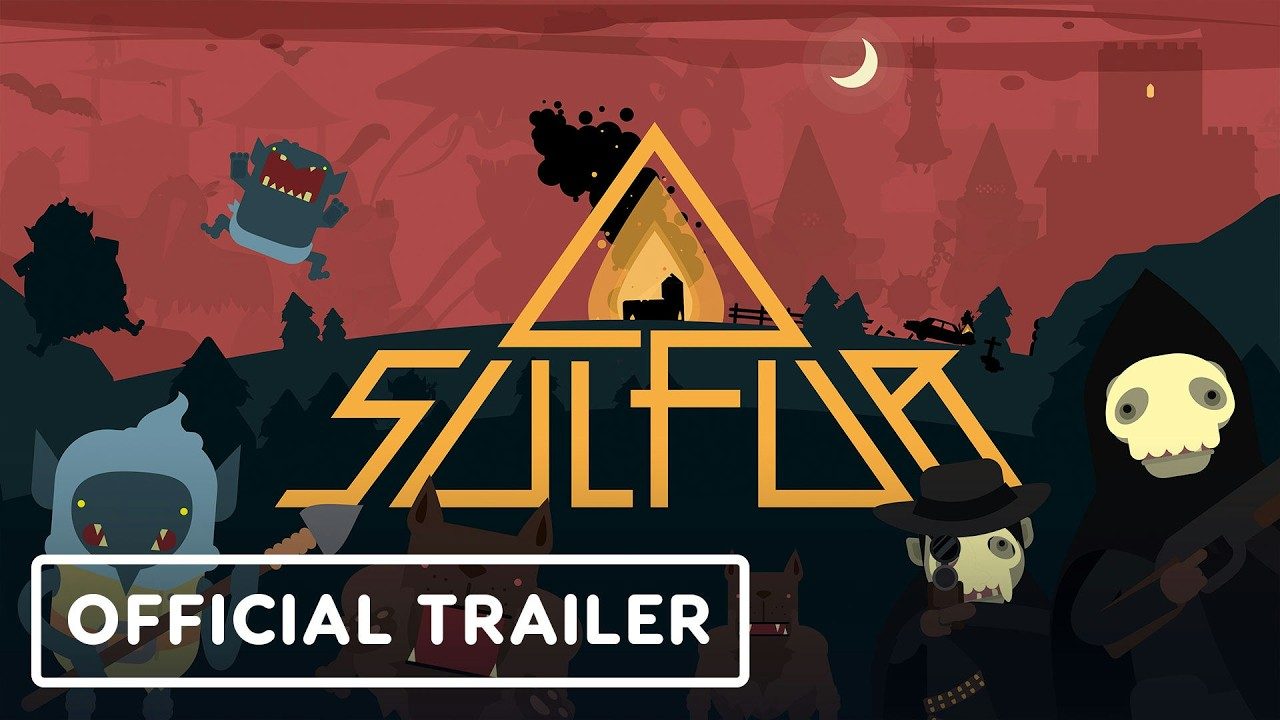
SULFUR left Early Access yesterday, on 28 October 2026, about three years after Perfect Random first put it on sale. Consoles the same day. Multiplayer comes later, in a free update.
For most of the games doing what SULFUR just did, the commercial launch happened three years earlier, on the day the Early Access page went live.
The number that moved
SteamDB counted 2,924 Early Access launches on Steam in 2026 as of mid-October, which GamesIndustry.biz reported this week. That is up 18% on 2025 and 60% on 2020, and the year still has two months in it.
The share matters more than the count, because Steam’s overall release volume has been climbing too. Early Access was 10.4% of Steam releases in 2024, 11.3% in 2025, and 13.7% so far in 2026. Roughly one in seven.
Then the figure that reframes all of it. GameDiscoverCo found that only 21% of games leaving Early Access earned more in their first thirty days after 1.0 than they did in their first thirty days of Early Access.
Four games in five make their money on the way in.
What that does to a schedule
Think about what the old arrangement bought an art team. You shipped a rough build to a small, forgiving audience, then spent two years making it look like the thing in your head, and the big marketing beat — the screenshots everyone would see, the trailer with the real budget behind it — landed at 1.0 when the work was done.
Invert the earnings and you invert the schedule. If the Early Access page is where the money is made, then the store capsule, the first trailer and the first ten hours of play have to carry a finished-looking game before most of the game exists. That is a vertical slice problem, and it is a brutal one, because the slice has to be small enough to finish and representative enough to sell.
It also sets a quality bar at the worst possible time. The assets that ship on day one define what every later asset has to match, and they get authored when the team’s understanding of its own game is at its thinnest. I have watched enough of these builds grow to spot the join: a first biome with real material work in it, then a second and third built to a budget somebody calculated in year one and nobody has been allowed to revise since.
Wardogs is the shape of this taken to its extreme. Bulkhead went into Early Access at $39.99 with a 256 square kilometre map and one 2km fight inside it — full retail price, full marketing, on a build still labelled unfinished. Nobody treats that as a soft open.
The 20% discount nobody gets any more
Iron Gate’s Richard Svensson — Valheim’s studio, which is as close to an Early Access success story as the programme has — puts player tolerance for an Early Access build at about 20% below a full release. Twenty per cent is a rounding error. Players are holding an unfinished build to very nearly the standard they hold a finished one.
Which tracks with how the tag reads now. Players have seen enough three-year Early Access runs to price the risk themselves, and they have seen enough games exit at 1.0 barely changed to stop waiting for it.
What survives of the old promise is the production honesty, which still counts for something. 1666: Amsterdam sells you the first slice of a campaign for thirty dollars and says so on the page — fifteen hours, PC only, the rest promised rather than present. A page that states its own shape is doing more for a buyer than a 1.0 badge on a game that has not moved since 2024.
For the people making the work
Early Access remains the only mechanism a small team has for funding year three out of year one’s revenue, and SULFUR is a reasonable advertisement for it — three years of free updates, a complete enchantment system at the end, and reviewers describing a 1.0 build that runs on modest hardware.
It does mean the planning assumption has to change. If you are scheduling art on the belief that 1.0 is the moment the work gets seen, the data says it is not. Budget the polish for the day the page goes live, keep the asset vocabulary small enough that years two and three can match it, and treat the Early Access trailer as the one with the real stakes.
The games getting this right look cheap on purpose — a palette chosen by somebody who did the arithmetic on what three years of content would later have to match.
Launch counts and release-share percentages from SteamDB, reported by GamesIndustry.biz and 80 Level; the 21% post-1.0 earnings figure is GameDiscoverCo’s. SULFUR’s 1.0 date, platforms and multiplayer plans from Perfect Random’s own Steam announcement. Svensson’s estimate as quoted in the GamesIndustry.biz piece.