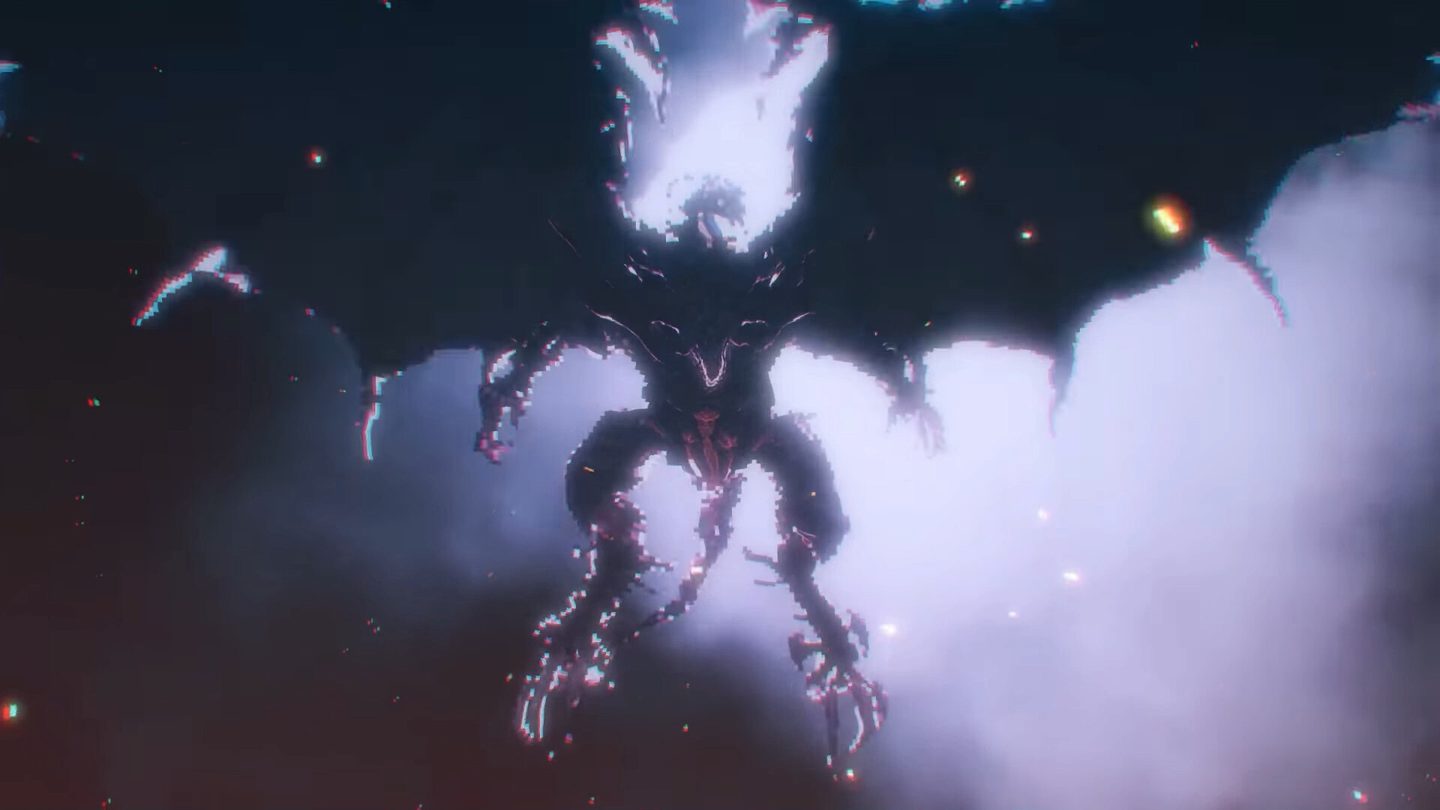
Nine scored verdicts are in for Final Fantasy Resonance, a day before it releases, and they run from 6 to 10. The plain mean of the nine is 8.0. The range is four points on a ten-point scale, which is wide — OpenCritic, working from a much larger pool of 52 critics, has it at 85 with 90 percent recommending, so the enthusiasm is real and my smaller sample is catching the edges of it.
When I wrote up Onimusha’s unusually tight two-point spread in August, I said a range that narrow usually means nobody is arguing about what the game was trying to do. Resonance is the other case. Famitsu’s four reviewers all filed a 9 and DualShockers filed a 10, while Eurogamer’s Dom Peppiatt and VGC’s Dave Aubrey both landed on 3 out of 5.
What the game is made of
Resonance adapts the first story arc of Final Fantasy Brave Exvius — the mobile gacha — into a standalone turn-based RPG. Same world of Lapis, same leads, Rain and Lasswell. Square Enix publishes, Lancarse co-develops, which is the studio behind The DioField Chronicle. It is the first Final Fantasy built in the HD-2D style, out 22 October on PS5, Xbox Series, Switch, Switch 2 and PC, at €49.99 on Steam. Combat is turn-based with a stagger loop: hit a weakness, break the enemy, bank the extra turn into a Resonance attack.
Square Enix has been careful to call it a rebuild rather than a port, and in interviews around the demo the team described rewriting the scenario to work as a console RPG, having decided the arc was too good to leave where it was.
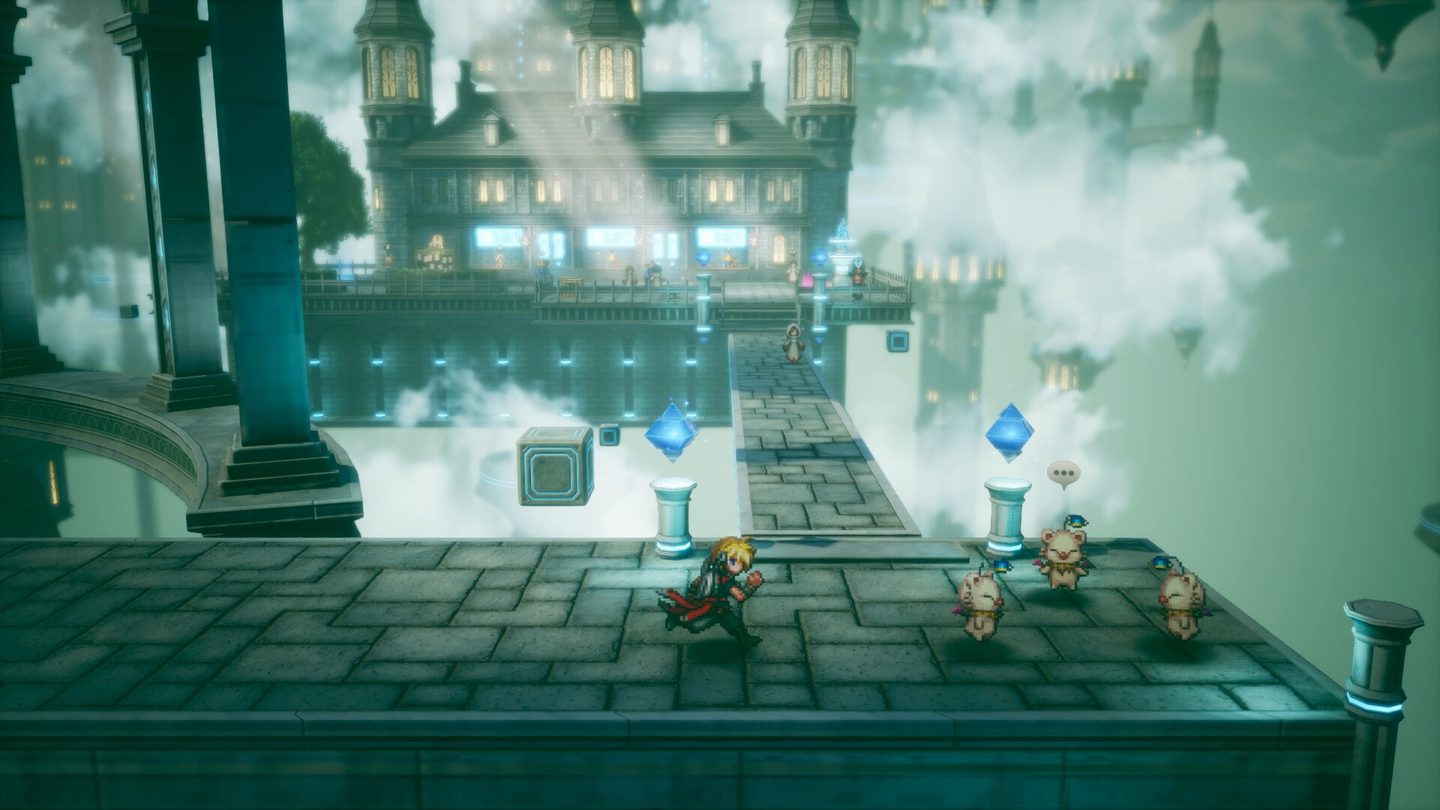
That distinction is an asset-work claim, and it is worth taking seriously, because the two formats want different things from an artist. Gacha character art is portrait-first. It has to read at a couple of hundred pixels in a summon screen, so the budget goes into one splash illustration per character and a small combat sprite that mostly holds a pose. An HD-2D game needs the opposite distribution: full-body sprites with walk cycles, idles, cast animations and hit reactions, placed on dioramas built in depth layers so the tilt-shift and the light shafts have something to separate.
You cannot scale the first set of assets into the second. You redraw them. The footage looks like somebody did.
The complaint that survives the good scores
Here is the part I find useful. The dissent and the enthusiasm are pointing at the same thing.
Eurogamer and VGC both filed 3 out of 5, and Aubrey’s argument is that the game is not essential next to Square Enix’s own HD-2D catalogue and the Pixel Remasters. But IGN, at 8, came away underwhelmed by the storytelling. Nintendo Life, also at 8, called the story a little dry while recommending the game warmly. GameSpot’s 7 says it shines more than it stumbles — which concedes the stumbling.
So the writing is the shared complaint across a four-point spread, and the visual work is the shared praise. That pattern is the one to look for whenever a spread goes wide. On Marvel Tokon it was a forty-point gap that kept pointing at art direction. Here it points the other way round: the craft is carrying a script that arrived with baggage.
And the baggage is structural. A gacha story arc is delivered in episodes over months, between events and banners, with each beat written to land in a short session and leave you willing to come back. Compress that into 25 hours bought in one go — Famitsu’s estimate is 20 to 30 for the main story, about 70 for everything — and the rhythm it was built for stops being an advantage. A rewrite can fix the scene-to-scene prose. Changing what the arc is shaped like is a much larger job, and the reviews read like it was not attempted.
I should be honest that I am reading this from outside. I have not played it, and a dry story is the most subjective complaint a reviewer can file.
The demo is doing real work
One detail worth flagging for anyone deciding. The free demo is the whole of chapter one, three to five hours, and the save carries into the full game. For a €49.99 release that is a confident offer, and given the price is attached to content that was once free on a phone, confidence is the right thing to be offering. Valve has it Steam Deck Verified and Steam Machine Verified, which for an HD-2D game you would hope for rather than celebrate.
Scores this spread out usually settle within a fortnight as the mid-table reviews arrive. The thing to watch is whether the story complaint keeps turning up in the 8s.