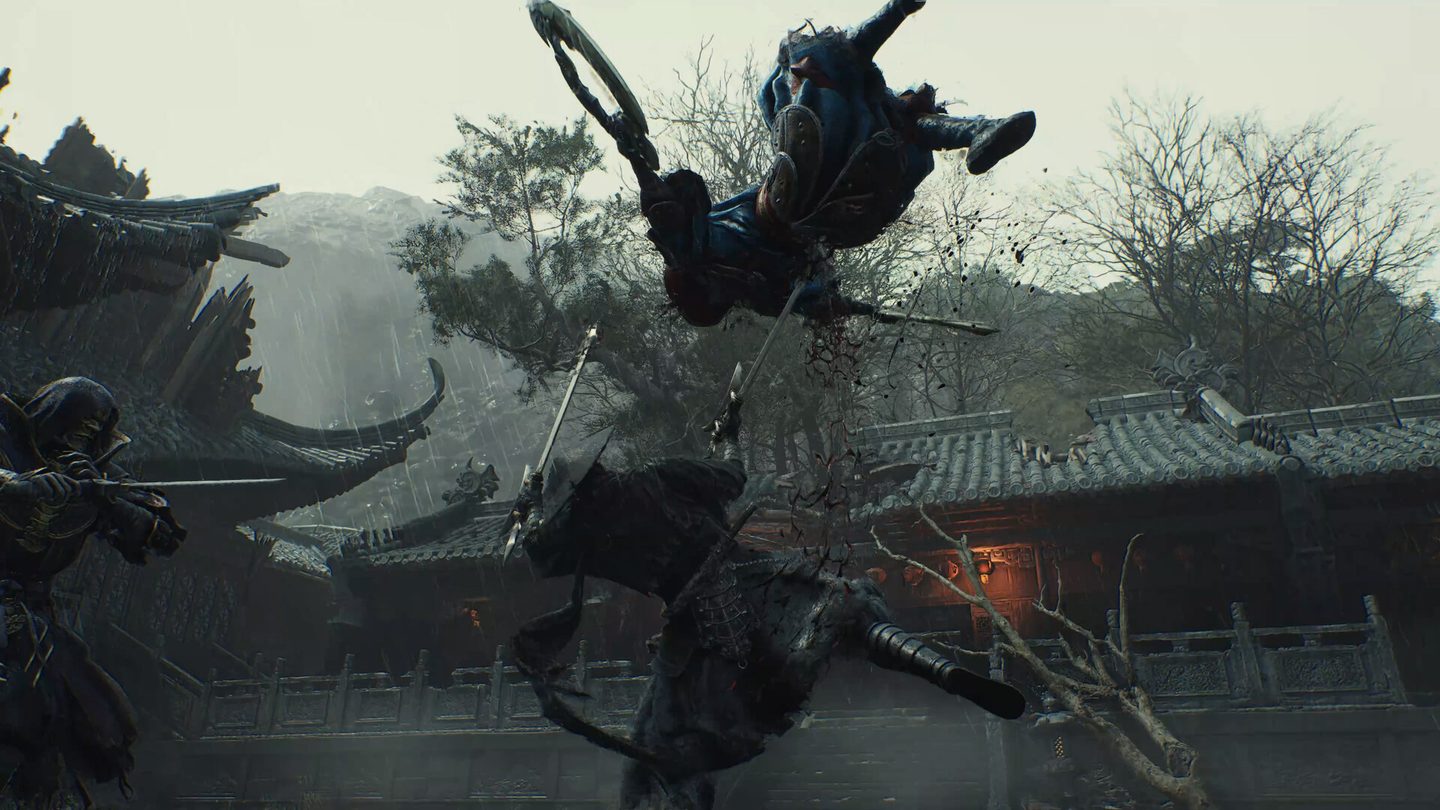
Nine scored verdicts, and the lowest sits four points below the highest. The average came out at 8.5 across the nine outlets I could verify. The spread is the part worth looking at: PCGamesN gave Phantom Blade Zero a 10, Eurogamer gave it 3 out of 5, and both of them played the same game.
The aggregators do not agree with each other either. Metacritic had it at 88 from 31 critic reviews on 26 October, with 97 percent of them positive. OpenCritic had 91 from 24 critics and 100 percent recommending. Same game, same morning, three points apart, because the two sites weight and round differently and because 24 reviews is not 31.
Reviews lifted on 26 October; IGN posted its 9 just after midnight. The game itself arrives on 29 October at 02:00 UTC, which is why half the internet has it down as the 28th — Steam shows you your own date, and in the Americas that clock has not ticked over yet.
What nobody argues about
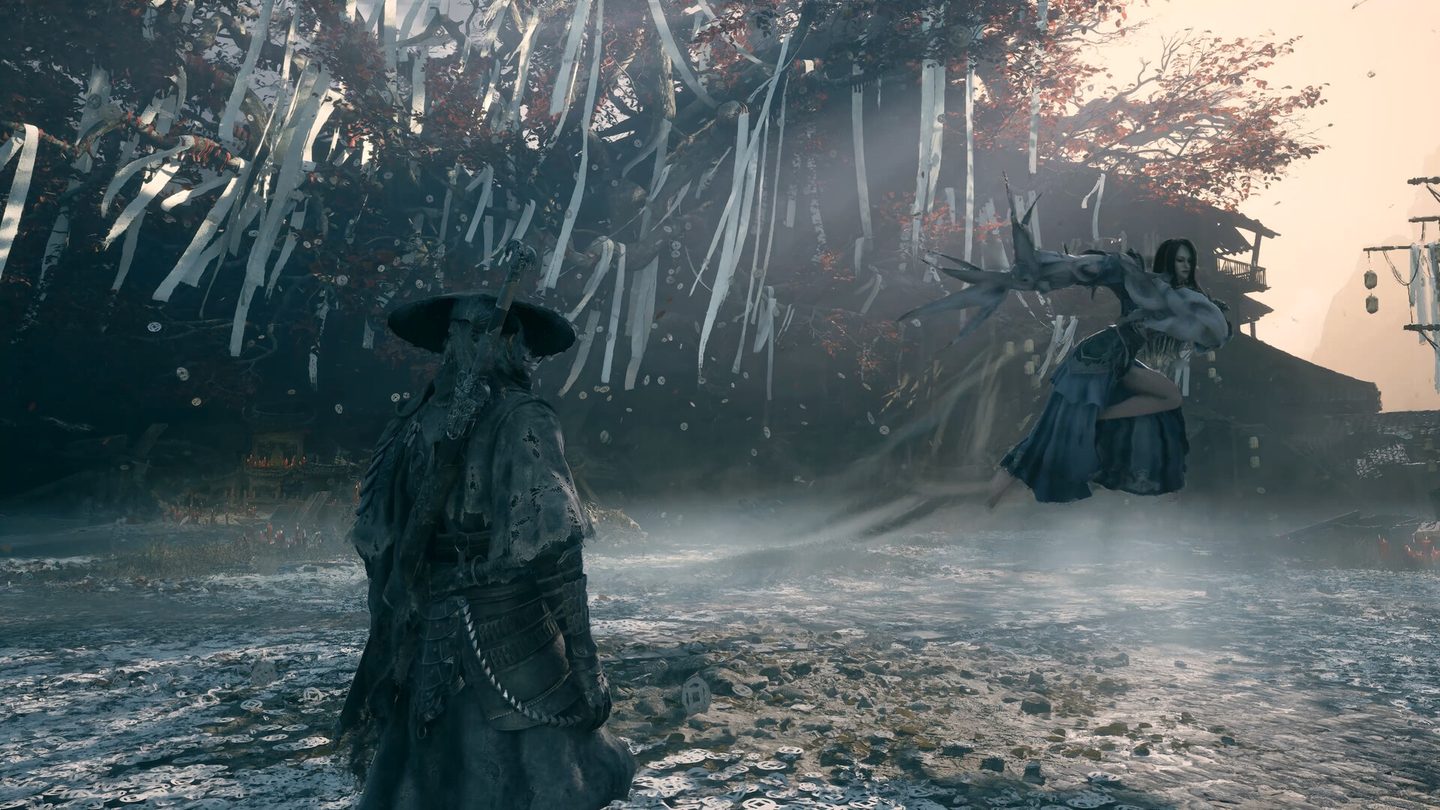
The combat. Across every verdict I read, the deflect-and-parry chain is the reason for the score, and GameSpot put the split in its own headline: the combat is so good you stop caring that the story makes no sense.
Screen Rant’s breakdown is the one I keep coming back to. Visuals 10, audio 10, story 7, gameplay 7 — a 9 overall built on two tens and two sevens. A gameplay 7 under that much combat praise suggests the systems around the fighting are where the time went missing.
Game Science went the other way on the same wave of Chinese action games: Zhong Kui’s reveal traded the staff-and-transformation combat of Wukong for a grounded sword that blocks and parries. S-GAME has taken the acrobatic end of that fork. Both studios are building the fight first and hanging a world on it afterwards.
Average frame rate is the wrong number here
This is the part that matters from a desk rather than a sofa.
Wccftech measured roughly 100fps at 4K on High with DLSS Quality on an RTX 4080. Ray tracing pulled that into the high 50s. Path tracing took it to about 30. Reasonable curve, nothing alarming.
Then Glitched reported frame-pacing problems and camera stutter on a 5080 at maximum settings with path tracing on — while averaging around 60fps. Both reports can be true at once. An average of 60 says nothing about whether frames arrive 16.7ms apart or in clumps, and a game whose entire combat system asks you to press a button inside a window of a few frames is a game where the clumping is the only measurement that counts.
Almost nobody printed frame-time captures. The scores went out on feel.
We have had this exact shape before: a 5090 can clear 60fps at native 4K with ray tracing and still hitch, because two different faults — shader compilation and traversal streaming — produce the same symptom and neither shows up in an average. Until somebody publishes frame times for Phantom Blade Zero, treat the PC verdicts as impressions. Good ones, but impressions.
The Deck result
Steam Deck HQ could not hold 30fps at the lowest settings available: 23 to 27fps on average, dipping to 10 in Crimson Forest, on two to two and a half hours of battery.
Back in June, S-GAME said Unreal Engine 5 would not be a problem and promised good performance on weak hardware. I have read enough of those statements to know what they usually describe — a vertical slice, profiled before the real content lands, before the foliage density goes up and the streaming volumes start overlapping. The promise is generally sincere when it is made. It is just made too early to be worth anything.
Denuvo is on the Steam build, for whatever that adds to the shader-compilation story on first boot.
So: 8.5 from nine verdicts, a four-point range, and the two things pulling the bottom of it are a story reviewers describe as incoherent and a set of PC results nobody has measured properly yet. If you want the combat — and the combat appears to be genuinely excellent — none of that stops you. If you want to know whether the parry window feels the same on your machine as it did on the reviewer’s, that answer is not out yet.