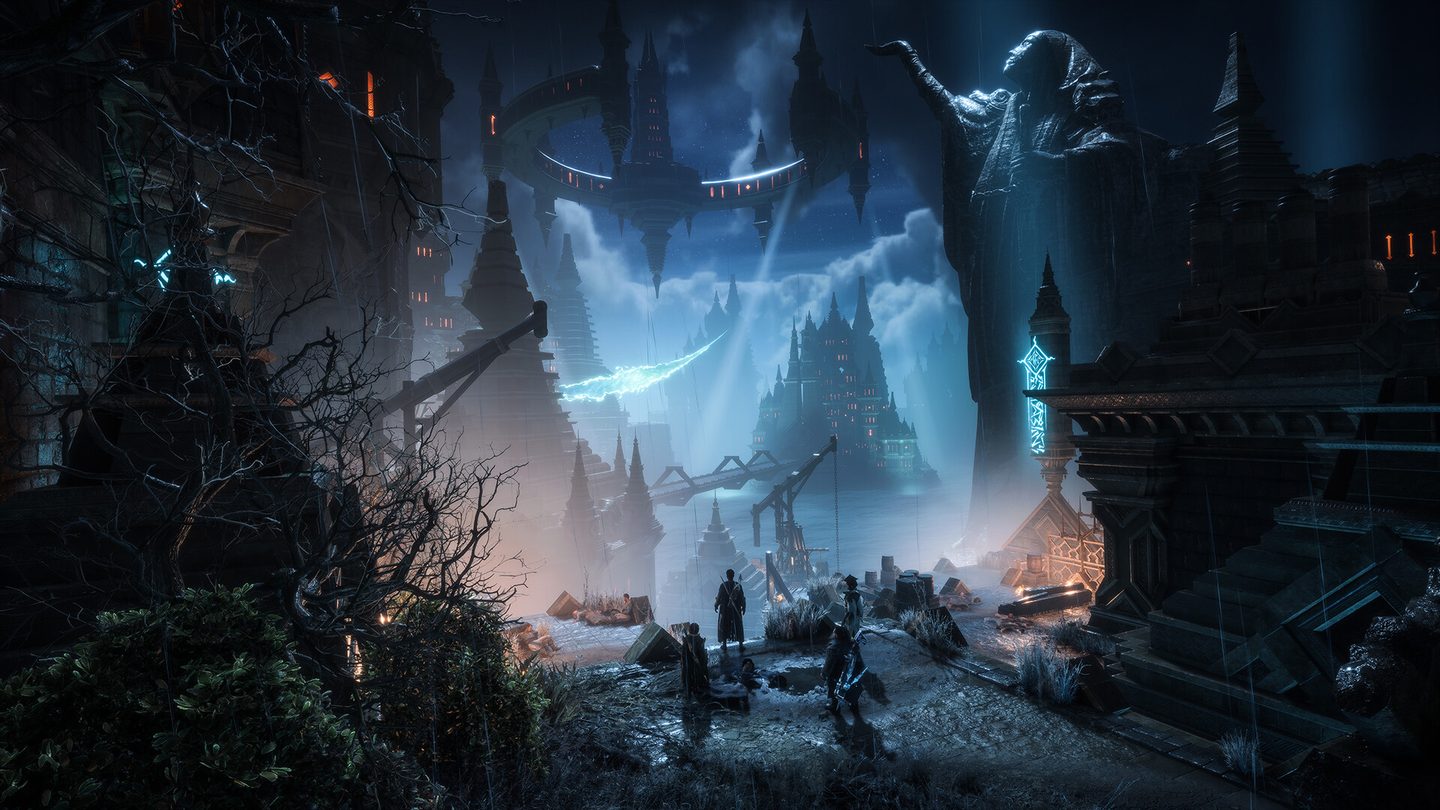
Four hundred jobs went at EA on 21 October. Around fifty of them were at BioWare — and BioWare is the one that closed.
Sit with that ratio for a second. Thirty-odd years of history, two of the most valuable RPG names anybody owns, and the headcount that had to be cleared to shut the doors was fifty people. The Inquisition credits ran to hundreds. Veilguard still carried a real team in 2024. What EA closed on Wednesday was the remainder after last year’s cuts, which came after the cuts that followed Anthem, which came after the Andromeda group being quietly folded away.
COO David Tinson and Chief Studios Officer Cam Weber put it in writing: the studio is closing, the Edmonton workspace with it, and early development on the next Mass Effect is ending. BioWare’s own statement reads like a studio looking back over thirty years, which is exactly what it is. EA has not said whether anyone will be offered a seat at another studio.
Where the money goes instead
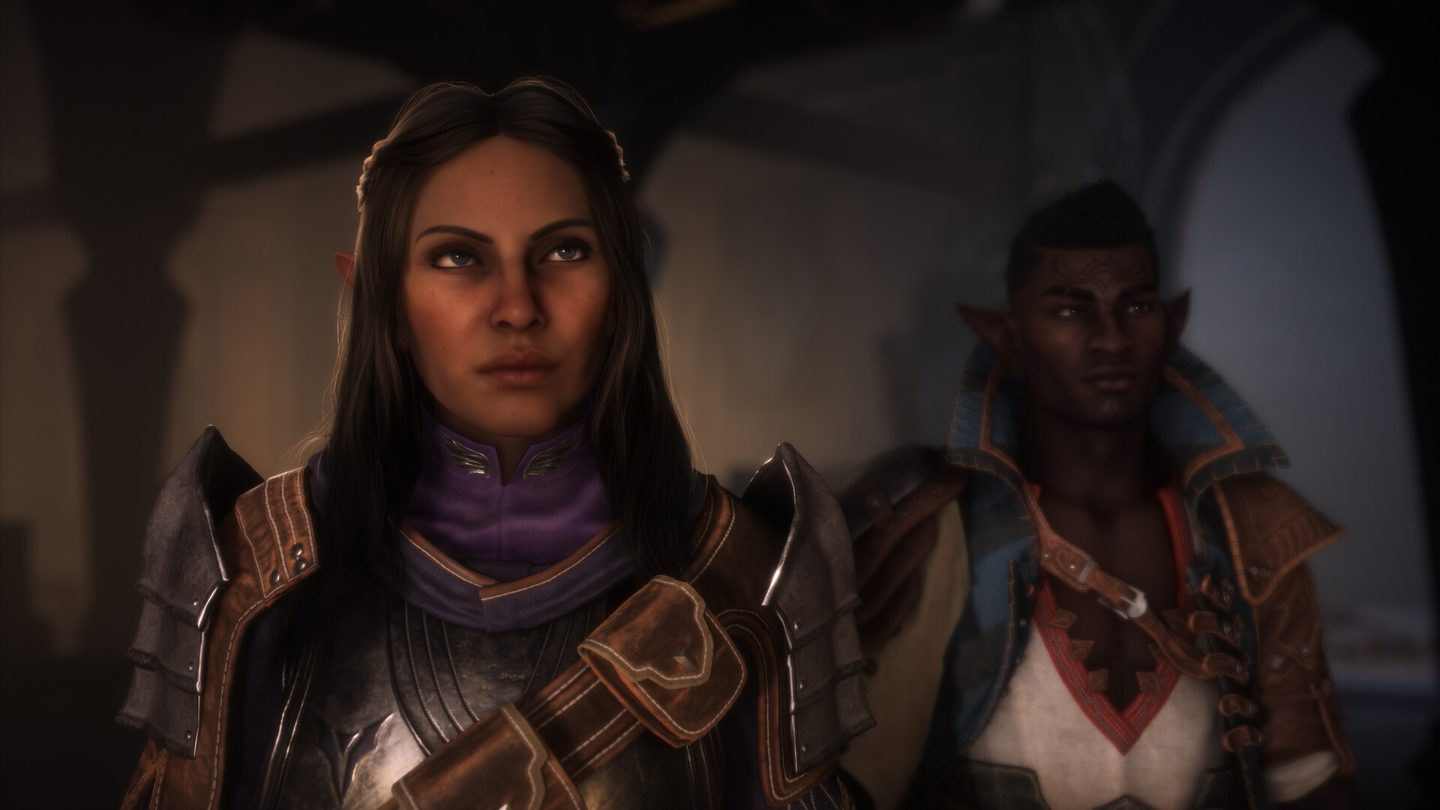
EA was specific about that part. Sports. Apex Legends. Battlefield. The next Star Wars Jedi game. Iron Man.
Read that list as a production manager rather than as a fan. Every item is either live-service or a licensed action-adventure with a fixed-length campaign. Nothing on it is a seventy-hour single-player RPG. The reason is amortisation.
An environment artist building a Battlefield map or an FC stadium is building something that gets loaded tens of thousands of times by one player and millions of times across the audience, for years. The hours spent on the lighting, the decals, the LOD chain, the destruction — all of it comes back. The asset earns its budget.
Arlathan Forest does not work like that. It is dense, it is expensive, and a player walks through it for two or three hours and never goes back. Minrathous the same. Every tree, every shader, every bit of set dressing in there cost roughly what it would have cost in a multiplayer map, and was looked at for a thousandth of the time. That ratio is on a spreadsheet at every publisher in the business, and it is why the big single-player RPG keeps being the thing that gets cut even when the art is the part people praise.
Which stings, because the art was the part people praised. Veilguard’s reception split hard on writing and tone. The environments came out of that argument intact.
What actually disappears
The names survive. EA keeps Mass Effect and Dragon Age — they sit on the balance sheet, and they will come back eventually, probably under another studio, probably with a team reading design documents written by people who were let go on Wednesday.
The part that does not survive is the part that lives in a building. Three
decades of in-house tooling that only makes sense in the context it grew in. A
shader library where a handful of nodes have names like DO_NOT_TOUCH_v3 and
exactly one person remembers which of them are load-bearing. Rigging
conventions. The depot layout. The reason that one material has a hack in it
that nobody has dared remove since 2019.
There is no handover. People get an email and a date, and the knowledge walks out of the building in the same week it was still being used. I have watched much smaller versions of this — one senior artist leaves, and three months later nobody on the team can explain why the build breaks if you rename a folder.
Compare it to Liquid Swords going bankrupt in Stockholm this month: grim, unpaid wages, but the work itself went somewhere. A trustee is taking bids on Samson, and at the end of it somebody will own that city and may well finish it. BioWare’s work goes into EA’s vault, where nothing bids on it and nothing uses it.
Ten weeks, start to finish
Back in August, nine days after the $55 billion take-private closed at $210 a share, the reported figure for EA’s annual cuts was $700 million, and BioWare was already the name being said. That took ten weeks to land.
Nobody needed a crystal ball. When a company goes private on borrowed money, the first thing to go is whatever has the longest payback period, and a four-year RPG with no live-service tail is the longest payback period anywhere in the building.
Fifty people, in a studio that set the terms for what a western RPG was across two console generations. Then none. The Edmonton office closes.
Job numbers, the Edmonton closure and the Mass Effect cancellation from VGC and PC Gamer’s reporting of EA’s internal note of 21 October. The $55bn take-private figure and the $700m cuts figure are from this blog’s August coverage. Whether BioWare staff are offered transfers is unconfirmed.