
Capcom’s six months to 30 September moved 36.86 million games, up from 23.85 million in the same half last year. Of those, 32.18 million were catalogue titles — things released in earlier years, some of them more than a decade back. Which leaves about 4.68 million units for everything the company actually launched in the period, or roughly one unit in eight. The catalogue share works out at 87 percent.
Net sales for the half came to ¥120.8 billion, up 49 percent year on year. Automaton Media put the games-sector operating profit rise at 66.7 percent. The full-year forecast was left exactly where it was.
The new releases did fine. Pragmata, out since April, is at 2.73 million cumulative with around 229,000 of those added in the quarter. Onimusha: Way of the Sword reached 1.78 million after not quite two months on sale. Resident Evil Requiem sits at 8.51 million lifetime. The half was paid for by the other 32.18 million.
What a catalogue business asks of an art department
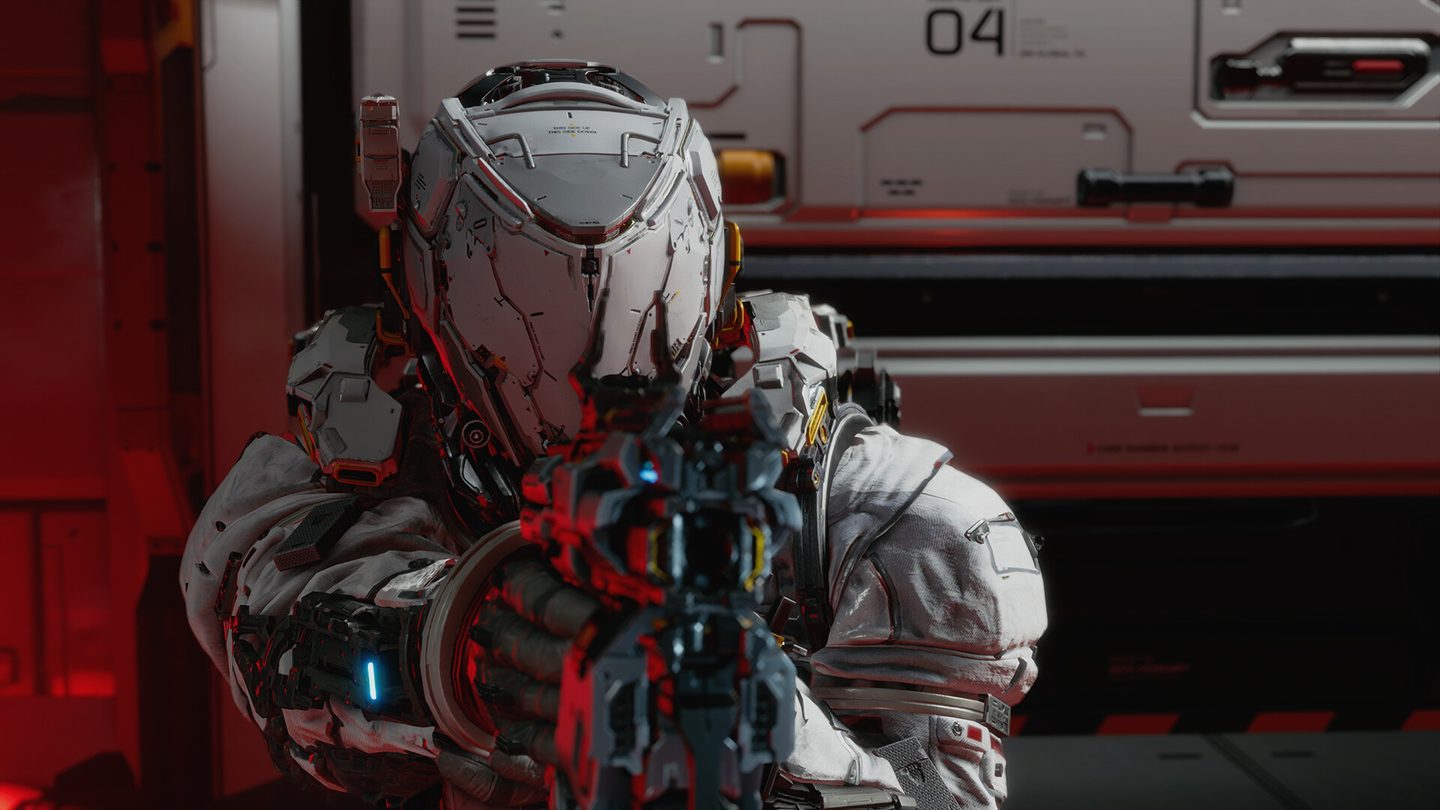
From a production seat the ratio matters more than the units. A company earning seven eighths of its volume from old games is buying something specific from the people who make the art: longevity.
Which is unglamorous work. An asset that still sells in year five has to survive a platform it was never authored for, a storefront re-release, a resolution tier that did not exist at ship, and an engine version written by people who have left. In practice that means source files organised well enough that a stranger can open them, shader graphs with fallbacks that degrade instead of failing, texture sets at a density that holds up when someone doubles the output resolution, and naming conventions nobody has to reverse-engineer. None of it is in a trailer. All of it is what makes a game re-sellable without a rebuild.
Teams that skip it still ship. They just ship something that can only be sold once.
The engine is the reason the cadence is possible
Capcom put three structurally unalike games out of one fiscal year off RE Engine: a sci-fi shooter in a single station, a sword game in a wrecked Kyoto, a survival horror. That is one pipeline, re-dressed three times, and it is how a studio keeps a release schedule like that without tripling its headcount between projects.
The cost shows up in art direction, and it shows up honestly. When I wrote about the narrow overcast Kyoto reviewers kept returning to in Onimusha: Way of the Sword, the restricted palette had a story reason and a budget reason at the same time, and from outside those are indistinguishable. Fewer standing buildings is fewer hero assets. That saving went into faces and cutscenes, and the scores followed.
Capcom is now rebuilding that engine again. The REX Project is RE Engine re-architected with machine learning in the middle — and read against a 36.86 million-unit half where 87 percent of the volume is back catalogue, the motivation reads differently. An engine that can carry fifteen years of shipped games forward is worth more to Capcom than an engine that makes the next one prettier.
The Monster Hunter effect
One detail in the breakdown is worth more than its size. Sales of older Monster Hunter titles rose after Capcom gave Monster Hunter Wilds: Ascendance a 2027 window. Announcing a game that does not exist yet sold copies of games from 2018. A back catalogue in good shape is a marketing asset, not a shelf.
Monster Hunter Wilds itself was reported absent from the figures Capcom highlighted — Eurogamer flagged it, and I could not check that against Capcom’s own investor materials from here, so treat the absence as reported rather than confirmed. If it holds, it is a pointed silence. Wilds was the Capcom game that stretched RE Engine into open world and took the heaviest technical criticism for it.
A game that needs a specific hardware tier and a year of patches to feel right is a hard thing to put back on a storefront in 2031 and sell to someone who has never heard of it. That is the quiet argument in favour of all the unexciting work above: the performance pass and the pipeline hygiene are what determine whether a title joins the 87 percent or stops earning the week its discount ends.