On 27 October, in a reply on X, Tim Sweeney set out Epic’s position on AI training in about four lines. Does Epic restrict AI training on the outputs of Unreal Engine and MetaHuman? Yes, currently — and Epic is working to remove that restriction from the EULA.
That is the whole announcement. No change log entry, no blog post, no date.
The restriction being removed is not a technicality. Epic put express language in the Unreal Engine EULA against using the licensed technology as a training input or a prompt-based input into generative AI programs, and a separate clause covering MetaHuman digital characters and animation curves. Somebody drafted those on purpose. Now they are going.
“Output” is doing a lot of work in that sentence
If you have never shipped anything in Unreal, the word sounds like exhaust. Something the engine emits on its way to doing the real job.
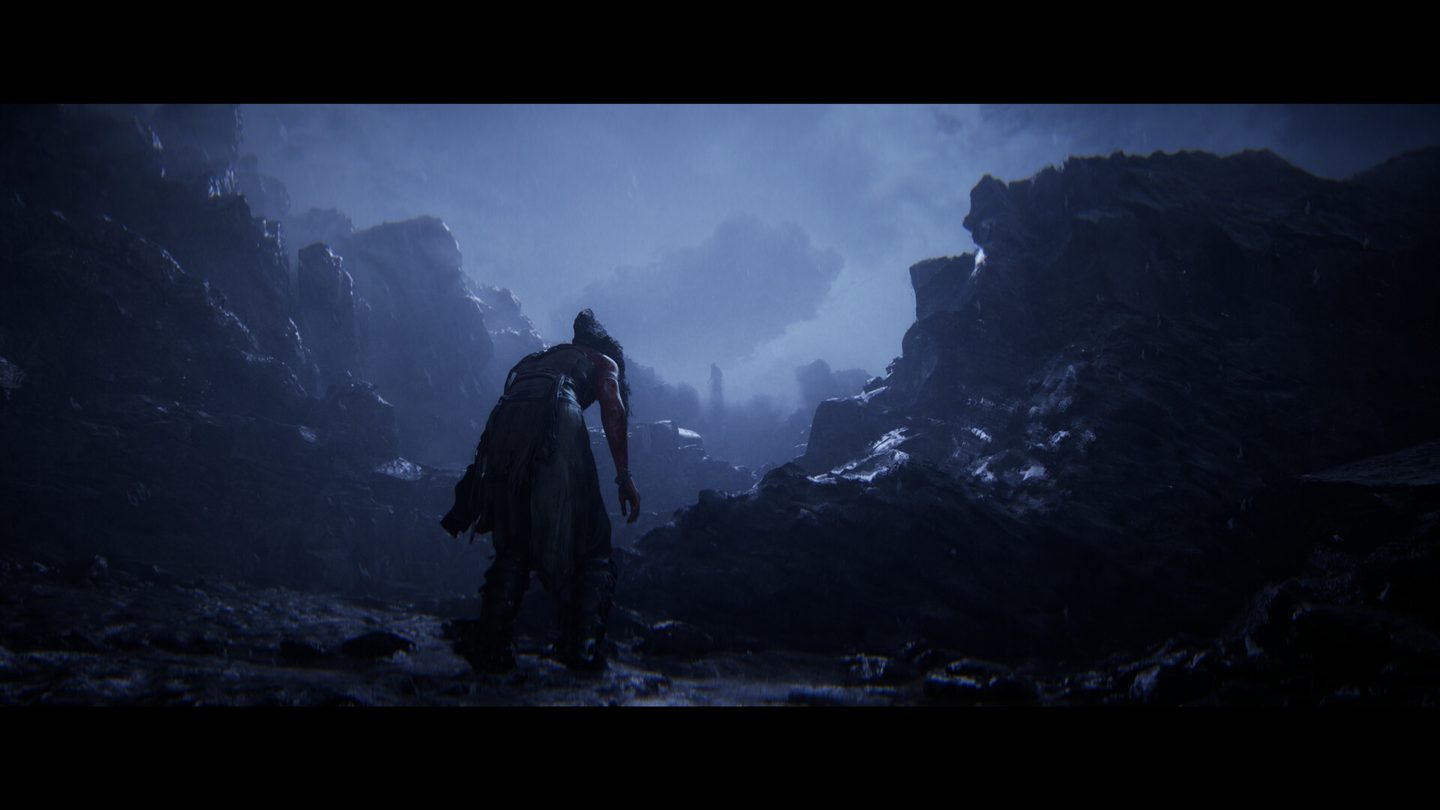
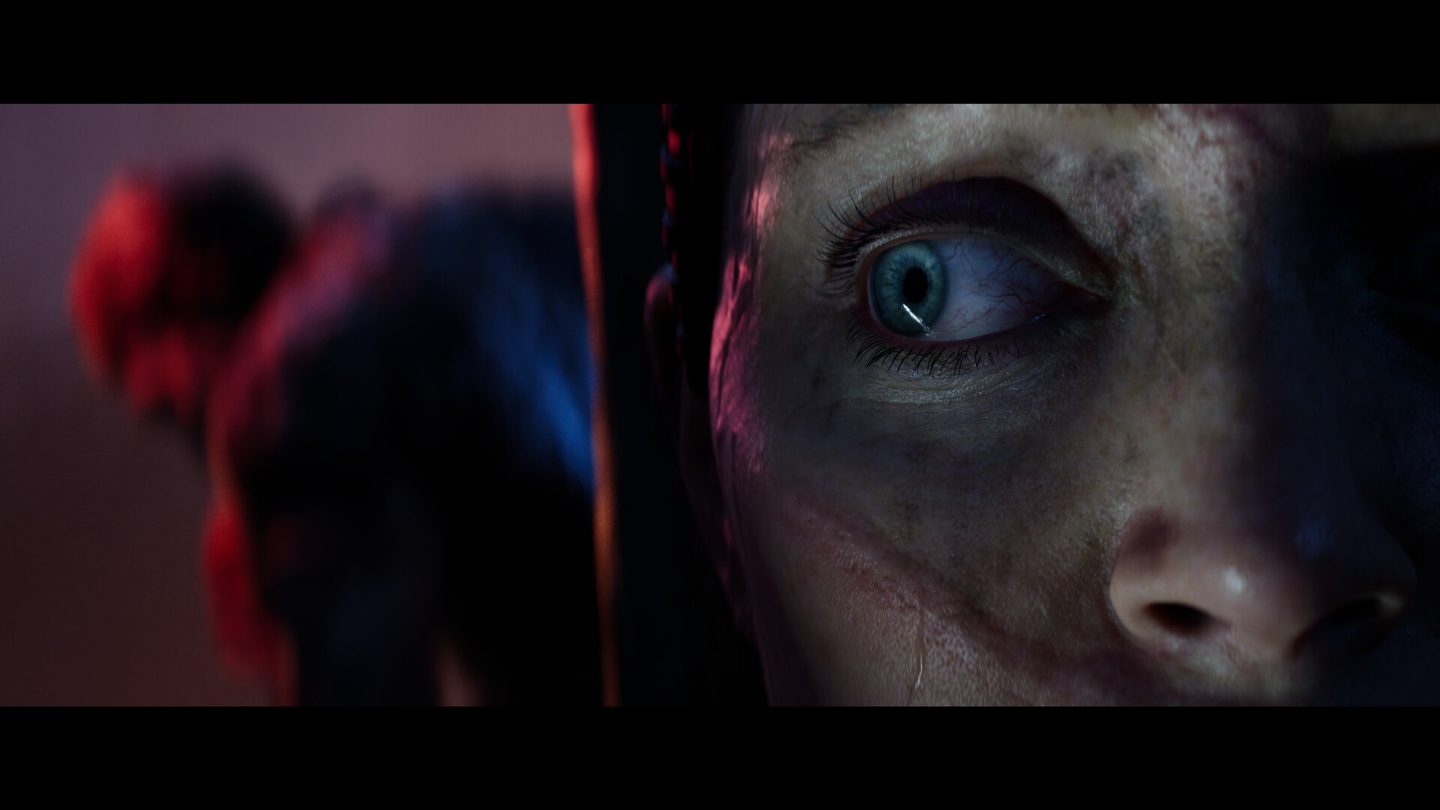
The output of Unreal Engine is a Sequencer render of a level somebody lit. It is a lightmap bake that took four hours and three attempts. It is a MetaHuman animation curve set, which is a recording of a face — usually a real one, captured on a stage, retargeted onto a rig. It is the beauty pass, the depth pass, the velocity buffers, the whole set of images a diffusion model would most like to be fed.
In other words, an artist’s output and the engine’s output are the same file. There is no version of “training on engine output” that does not mean training on somebody’s lookdev, somebody’s animation, somebody’s art direction. The engine contributes the maths. The thing that makes one UE5 frame worth learning from and another worthless is a person.
Which is why the clause existed in the first place.
The developer choice, and who actually makes it
Sweeney’s caveat is that individual games stay under the terms their developers choose. Ship a game in Unreal, and whether AI may train on it is your call.
True, and narrower than it reads. The person who sets a game’s terms is whoever signs the publishing agreement. It is not the environment artist who spent nine months on the city, and it is not the contractor who did the facial capture on a two-week booking. Studio-level consent has never been artist-level consent, and the gap between the two is where every argument about this is actually happening.
There is also the Fab question. Content other creators sell there follows the NoAI tag each provider sets, per German-language coverage of the same remarks — which puts marketplace assets on a different footing from engine output, and is the one part of this with a mechanism attached.
Removing a restriction is not the same as granting a right
Worth being careful here, because the EULA text does not exist yet and I am reading a tweet.
A EULA restriction binds licensees. The clause as it stands does not only stop Epic training on your renders — it stops everybody who accepted the agreement from training on anybody’s. Strike it, and the contractual bar comes off in every direction at once. Copyright still applies to the assets themselves; what goes away is the extra layer Epic had bolted on top.
So the headline reading — Epic is clearing the way to train on its licensees’ work — is plausible and not the only one available. The open question nobody has answered is whether anything trained on that material stays inside Epic’s own models or gets licensed onward. Until the text is published, that is unknown, and I would not guess at it.
What is on the record is Sweeney’s legal framing. He cited the Anthropic ruling, where the training itself was found to be fair use while the torrenting of pirated books was not, and argued that whether an AI output infringes turns on how similar it is to the work. That is a coherent position. It is also the position Epic was arguing against two weeks ago.
The Fortnite problem
Epic and Microsoft have been going after an AI-generated Fortnite clone, on the grounds you would expect: that is our work, you fed it to a model, give it back. Kotaku’s framing — that the two companies discovered AI was theft the moment the shoe was on the other foot — is unkind and hard to argue with.
This is in character. Epic told its teams to go AI-first, with no hand-written code and generated art earlier this month, and a company on that trajectory needs training data more than it needs a clause protecting its licensees from the same thing. The EULA was in the way. The EULA is being moved.
Then there is the method. A term governing the work of every artist on the industry’s dominant engine got reversed in a reply on a social network, with no effective date and no published text. The blog has already watched a licence do this once, when the PS5 disc business turned out to be a licence rather than a sale and the terms moved without anyone being asked. A EULA is not a promise. It is a document the other party can edit.
Go and read yours. Specifically, read what your contract says about derived works and machine learning, because the engine’s terms are no longer the backstop they were in October.