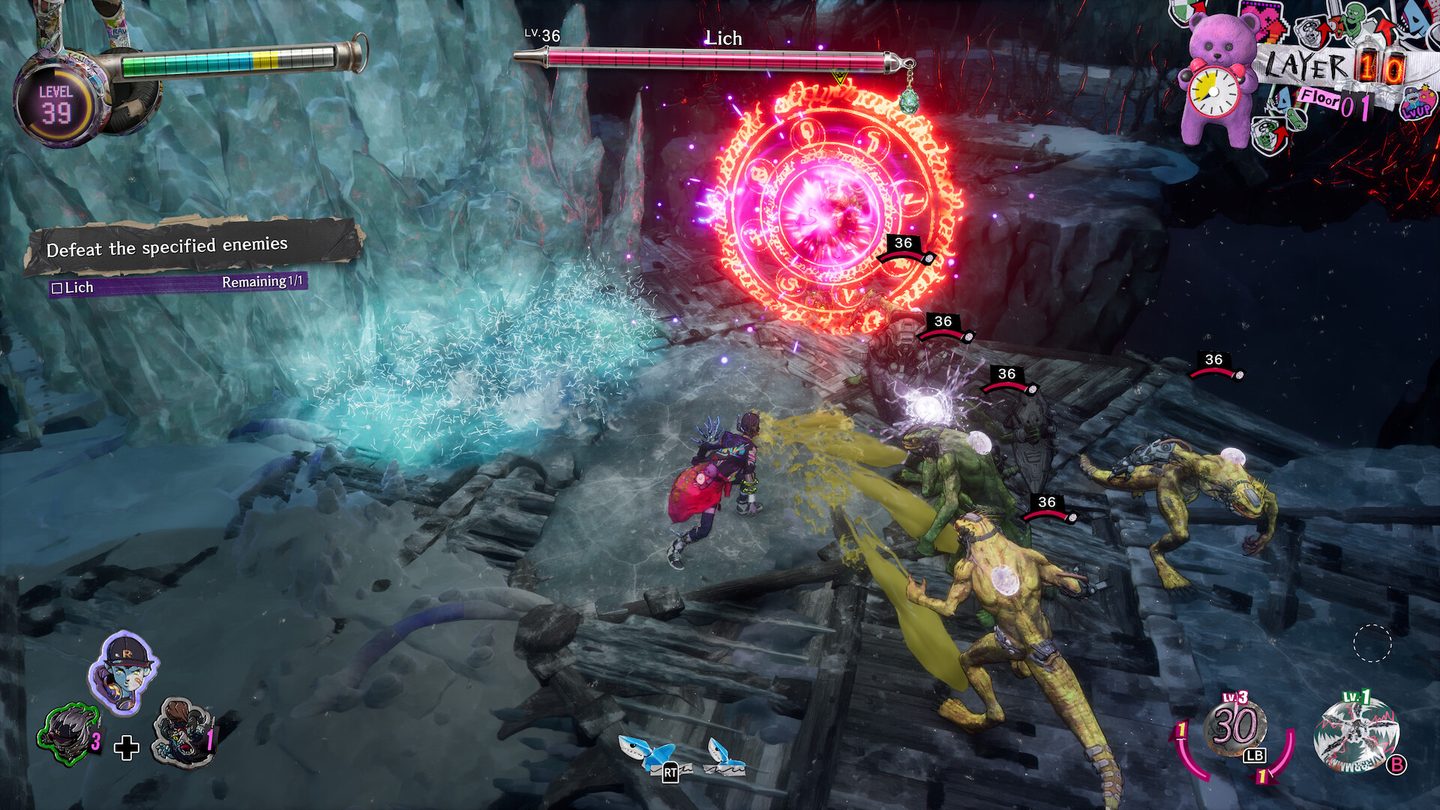
ScreenRant’s review of Stupid Never Dies gives it 4 out of 10, and breaks that number into four sub-scores: Story 6, Gameplay 4, Audio 7, and Visuals 9.
Nine for the look, four for playing it. That one review contains the entire shape of the game’s reception in miniature.
Across the twenty-one scored verdicts I could verify and attribute, the mean is 7.2, which rounds to 7. The range runs from that ScreenRant 4 to CGMagazine’s 9 — five points on a ten-point scale, and the widest split I have logged on a release this size. For the aggregates as of 22 October 2026, OpenCritic has 70 from 43 critics with 55 percent recommending; Metacritic has 66 from 28, with half its sample filed as mixed.
Who made it
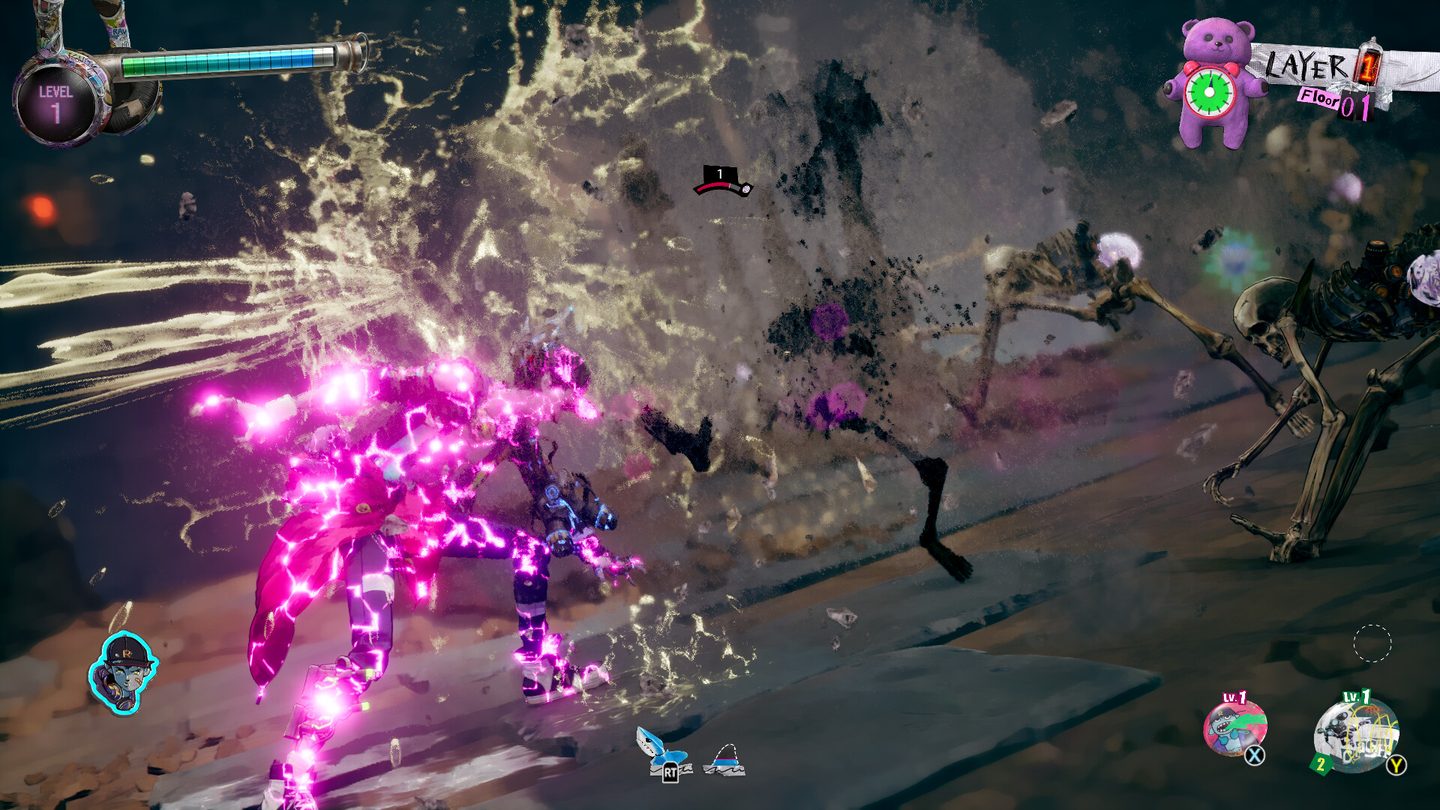
GPTRACK50 was founded by Hiroyuki Kobayashi, who produced Devil May Cry, Dragon’s Dogma and Resident Evil 4 during a long run at Capcom. This is the studio’s first game, out 21 October on PS5 and PC at $49.99, and the team around him is largely Capcom action lineage too.
Two details are worth flagging as unsettled. Sega is reported everywhere as co-publisher and sells the game on its own site, while the Steam listing names only GPTRACK50 as publisher. And the director credit is reported inconsistently — some references put Kobayashi in the chair, while GamesBeat’s pre-release interview has Eiichiro Sasaki speaking as game director. I could not confirm which is right from a primary source, so take the credit as open.
The split is about what a screenshot can show you
Here is the thing I keep noticing in review sets like this one, and it is not a complaint about reviewers. Art direction is legible from a still. Combat feel is not legible from anything except a controller.
So when a game’s scores cluster tightly on the visuals and scatter five points wide on the playing, the reviewers are not disagreeing about the game. They are reporting from the only part of it that varies between people: tolerance. How much missed input you will absorb before the loop stops being funny.
The specific complaints are consistent enough to triangulate from. There is no lock-on. The main healing method requires biting an enemy, which means a heal is gated behind a precise melee connection in a game that will not help you aim. Aerial enemies come up repeatedly as the worst of it. And a timer runs over the protagonist’s condition, degrading him once it expires.
Read those four together as a systems problem rather than four bugs. A heal that depends on hitting a specific target, under time pressure, against enemies that leave the ground, with no targeting assist — each decision is defensible alone and the stack of them is where the 4s come from. Character-action pedigree usually means a studio has internalised exactly this, which is what makes it the surprising place for a debut to stumble.
Where I have seen this exact shape before
Two weeks ago Hellraiser Revival’s verdicts split four points wide on precisely the same axis: unanimous praise for how the Labyrinth looked, total disagreement about the fighting inside it. Two games, two weeks, the same fracture line. Art departments are shipping finished work and combat teams are shipping arguments.
The useful contrast sits further back. When Onimusha: Way of the Sword landed with a two-point spread, the tightness was the finding — twelve reviewers who all understood what the game was reaching for, because the parry window either reads or it does not and Capcom had made it read. Same genre family, same studio DNA at one remove, opposite result. The difference is a targeting system.
About that number
7, from twenty-one verdicts between 4 and 9, collected on 22 October 2026 and converted to a ten-point scale.
I will say plainly that the mean is doing less work than usual here. A 7 is what you get by averaging a crowd that contains both “one of the best action games of the year” and “a chore”, and it describes almost nobody’s actual experience of the game. The range is the honest number. If the combat complaints above sound like things you personally shrug off, the people giving this 8s and 9s are your reviewers; if a missing lock-on is the kind of thing that ends a session for you, ScreenRant wrote your review.
Worth noting for anyone reading the aggregate sites: my mean of 7.2 sits above both OpenCritic’s 70 and Metacritic’s 66, because the handful of reviews at the bottom of those samples were not individually attributable from the outside. The true centre is probably a touch below mine.